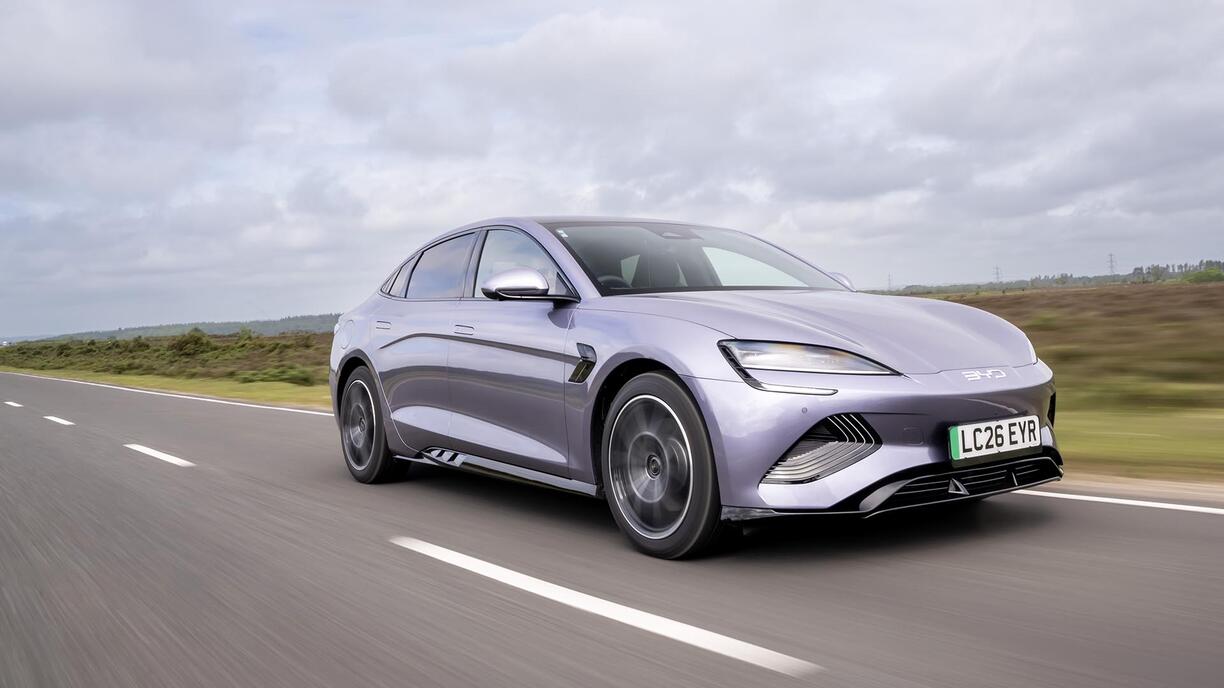
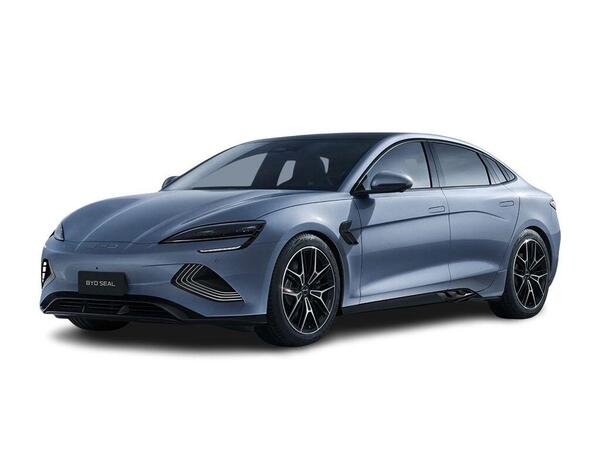
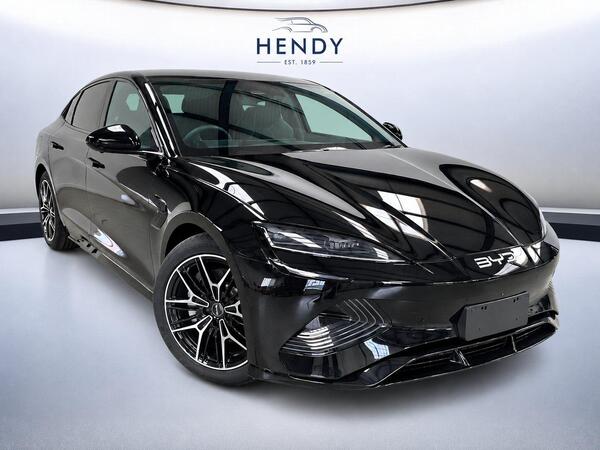
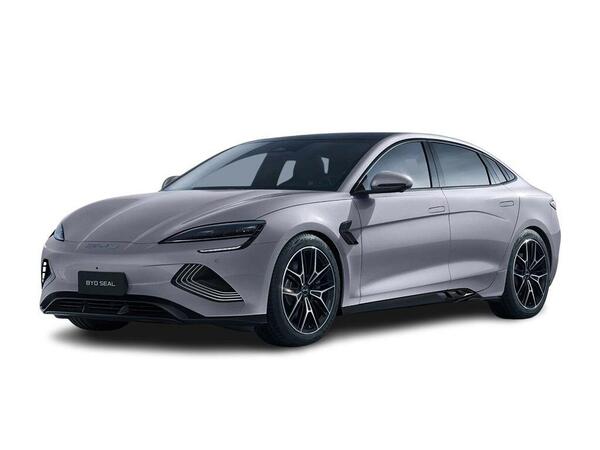
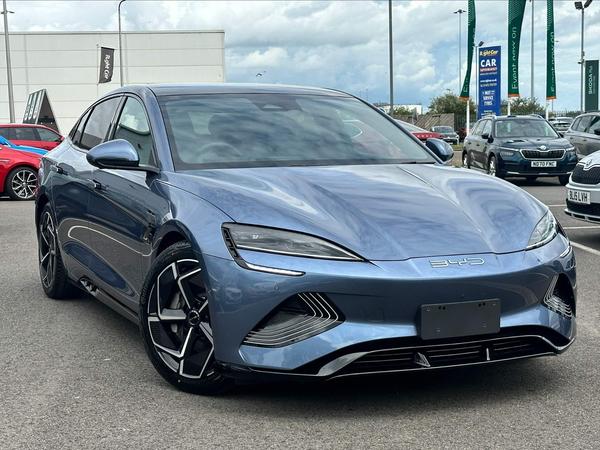
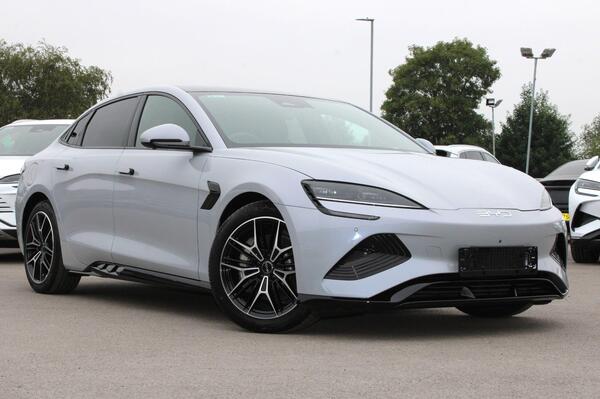
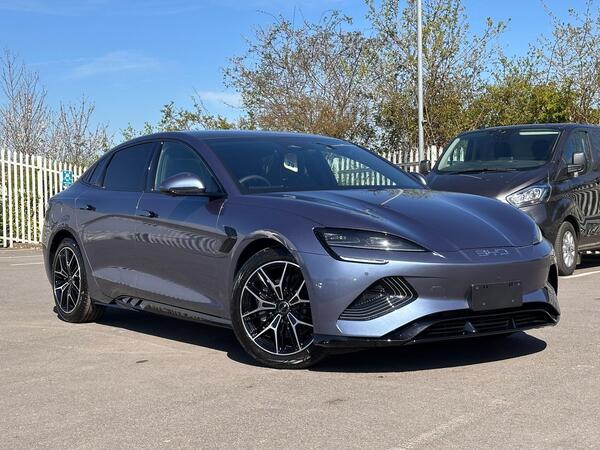
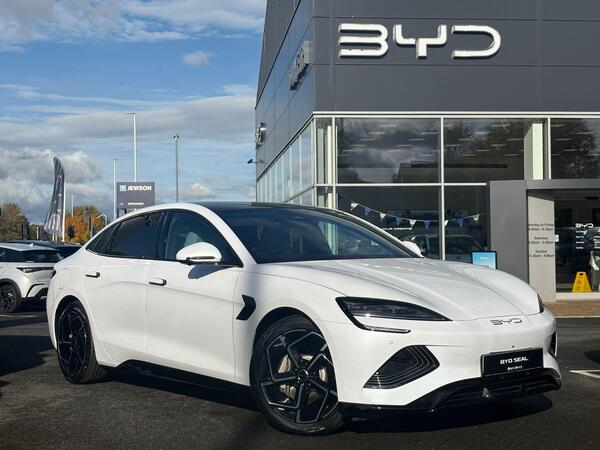
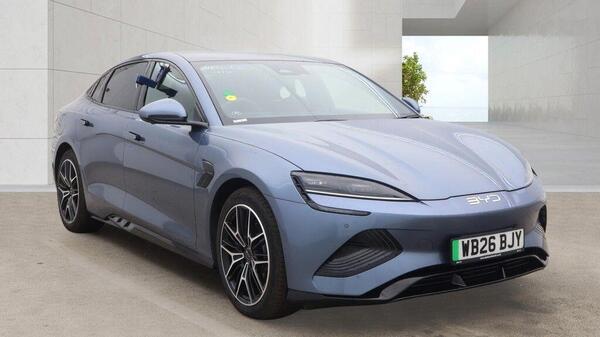
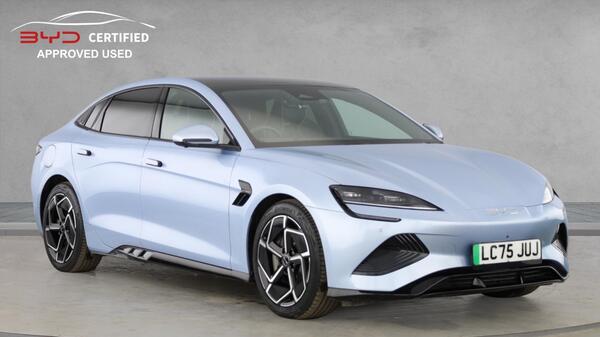
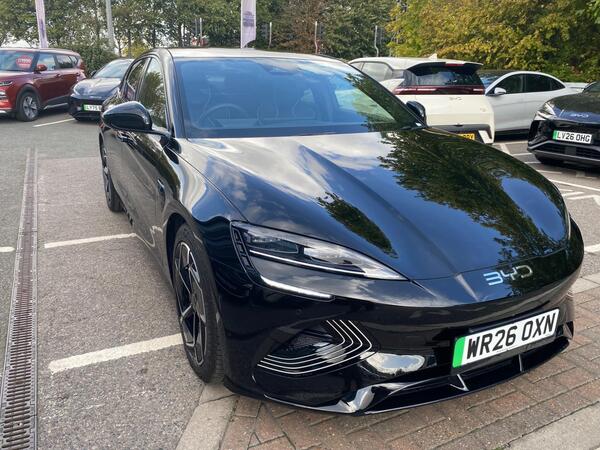
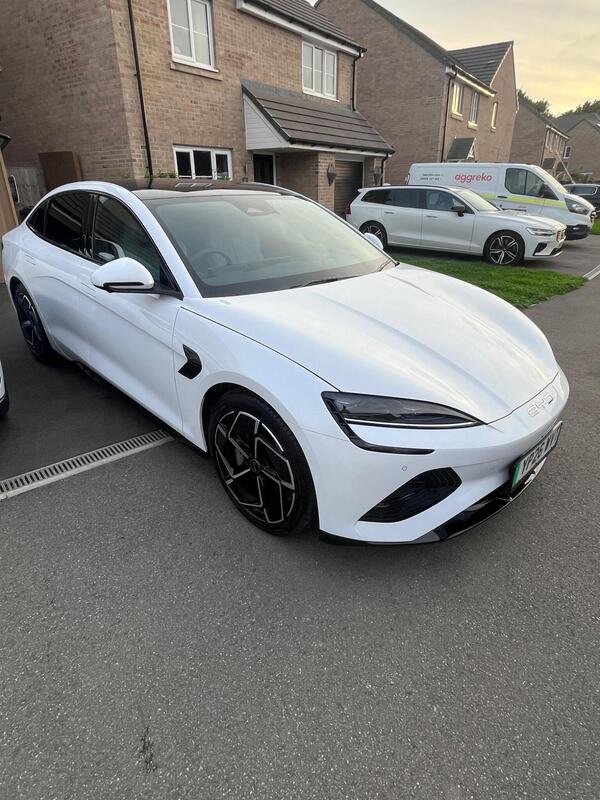
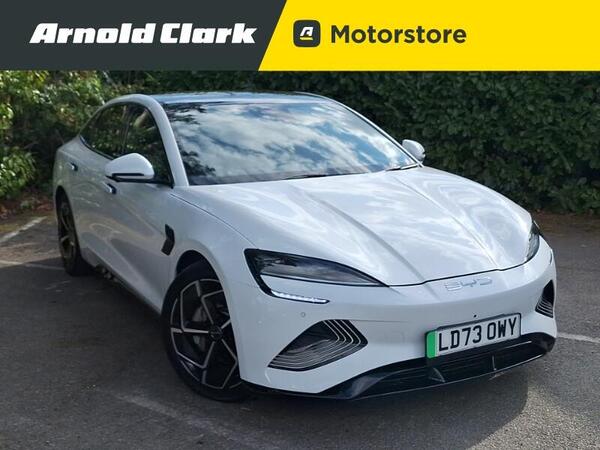
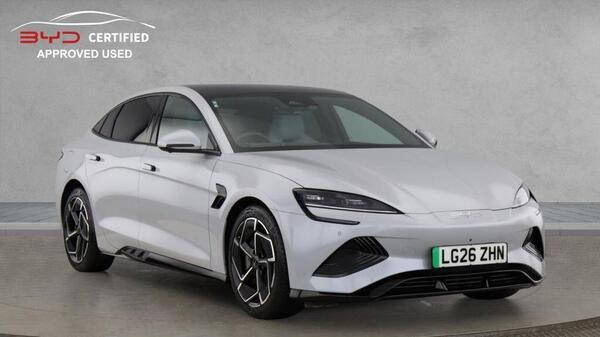
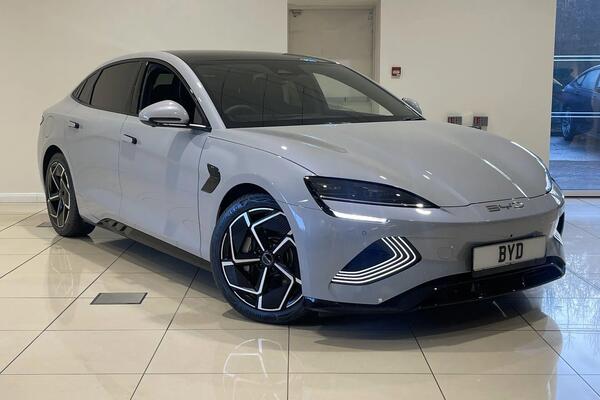
BYD’s product strategy sometimes comes across a bit ‘throw it all at the wall and see what sticks’ but it seems to be working, the Seal that helped launch the brand here still one of the more convincing efforts. Fast, sleek and luxurious, it sits on a line somewhere between the equivalent Tesla Model 3 and the likes of the BMW i4 and Hyundai Ioniq 6. And a more premium product than the Attos, Dolphins and similar doing the numbers further down the range. In the BYD style life has moved pretty fast for the Seal, and it’s already been updated for the 2026 model year even if the car tested here was actually the pre-facelift one. We’ll address the differences below but they’re more in the details and the Seal remains a fundamentally impressive and appealing all-electric saloon, to the point it arguably does a better job of being a Model 3 than the Model 3 itself. Which is intended as a compliment.
BYD’s answers to our sustainability survey were positive, though lacking the detail and determination we’ve seen in those from what you might consider ‘legacy’ rivals like BMW, Mercedes and the VW group. It’s making the right noises and, as a business, BYD is a leader in electrification. But the Seal is more about performance than sustainability, and as it stands we don’t have much to go on concerning the carbon footprint of its manufacturing processes.
Running costs for a BYD Seal
“Benefit In Kind and wider incentives are on borrowed time as the tax net closes on electric cars”
In an age of monthly finance and lease deals bottom-line prices may seem meaningless for anything other than comparing relative value against rivals, but it’s still a useful benchmark. And one favouring the Seal in against the equivalently priced Model 3 Long Range All-Wheel Drive and considerably more expensive BMW i4. It’s also quite a bit faster than the similarly priced Hyundai Ioniq 6 but, as we’ll get to, speed isn’t everything. More broadly, it’s the familiar story on running costs for electric vehicles, these favouring buyers with capacity to charge at home on a wallbox using cheaper domestic energy rates. Company car Benefit In Kind and wider incentives are on borrowed time as the tax net closes on electric cars but can still make a difference to those monthly costs.
Expert rating: 4/5
Reliability of a BYD Seal
“The six-year warranty means you’ll have cover for the duration of most initial finance or lease terms”
BYD has huge engineering resources and, if still new to UK roads, a proven track record in other markets. Which you can take some confidence in, ditto the readiness of so-called ‘legacy’ manufacturers to collaborate or even buy into its signature ‘Blade’ battery tech. At an owner’s level the six-year warranty means you’ll have cover (with change) for the duration of most initial finance or lease terms, taking a chunk of stress out of the equation.
Expert rating: 4/5
Safety for a BYD Seal
“BYD has kept a good number of physical controls for the basics”
Same old story but for all the well-intentioned safety tech much of it is so annoying day-to-day you’ll be rushing to switch it off. New driver monitoring system included. Which is, at least, easy to do via the swipe-down shortcuts menu on the central screen. This is, inevitably, your main point of contact with the car but BYD has kept a good number of physical controls for the basics, up to and including a proper gear selector. Which feels an extravagance in a world where Tesla puts even this through the screen. We’d like to see a little more of that formidable BYD engineering resource spent on tuning the suspension to safely handle the speed and acceleration unleashed by the motors, though, one ride along a twisty B-road exciting for all the wrong reasons as the Seal bucked and weaved over the crests and dips. In these situations the extra money you’d be spending on a BMW i4 suddenly feels worth every penny.
Expert rating: 4/5
How comfortable is the BYD Seal
“The Seal is a very refined and comfortable car, with a relatively low-slung seating position”
It took us a little while to figure out what the odour in the Seal’s interior reminded us of before we realised, yes, it smells a bit like a wetsuit. Which is perhaps appropriate (or even deliberate?) given BYD’s fixation with naming its cars after creatures of the sea. We’ll blame the sturdy rubber mats in the footwells, which are very practical but somewhat less premium than the rest of the interior. Regular carpet mats are, apparently, available. Other than that, the Seal is a very refined and comfortable car, with a relatively low-slung seating position for driver, passenger and those in the outside rear seats. And a bit of a lump in the middle. It’s a low bar but the cabin feels a lot plusher than the Model 3 you might also be considering, that soft suspension perhaps more appropriate for motorway cruising and town driving than it is on country roads. Boot space is meanwhile a little shallow compare with more practical SUV or crossover alternatives, though BYD has apparently managed to increase this a tad for the updated version. There’s also a ‘frunk’ under what would be the bonnet, which is big enough for stashing mucky charging cables away from the rest of your stuff.
Expert rating: 4/5
Features of the BYD Seal
“The signature rotating screen on earlier Seals has now been discontinued”
BYD keeps it simple here, there being just two versions of the Seal, both of them very generously equipped. The single-motor Design is the standard model, the twin-motor Excellence adding a few nice-to-haves like a head-up display projecting essential info into your line of sight on the windscreen. Other than that it’s all included on both models, with a full suite of driver aids including the genuinely useful stuff like blind-spot alerts, a 12-speaker Dynaudio stereo, many and various ways to charge everyone’s handsets, slick wireless smartphone mirroring, power-adjustable front seats with heating and ventilation, a panoramic roof and tons more besides. The signature rotating screen on earlier Seals has now been discontinued in favour of a more conventional fixed one but, given how badly it obscured your view in the vertical setting, we’ll not miss that beyond the novelty value.
Expert rating: 5/5
Power for a BYD Seal
“The Excellence version we tried felt somewhat overwhelmed by the combined 530 horsepower of its twin-motor set-up”
For the reasons outlined above we’d like to try the single-motor version of the Seal for the fact the Excellence version we tried felt somewhat overwhelmed by the combined 530 horsepower of its twin-motor set-up. To be fair we’d say the same of the BMW i4, which is also nicer in its standard form than it is its more powerful trim. If you really need a family saloon capable of 0-62mph in less than four seconds (clue, you don’t) you have that option with the twin-motor. But the Design still looks plenty fast enough on paper, and goes nearly 30 miles further on a charge with a claimed best-case range of 354 miles. It was hard to measure how close to that our test car was getting but BYD’s battery tech is among the best in the business and, while it doesn’t charge as quickly as a Hyundai Ioniq 6, it will draw enough from the fast chargers at motorway services to top up in as long as it takes to grab a coffee and comfort break.