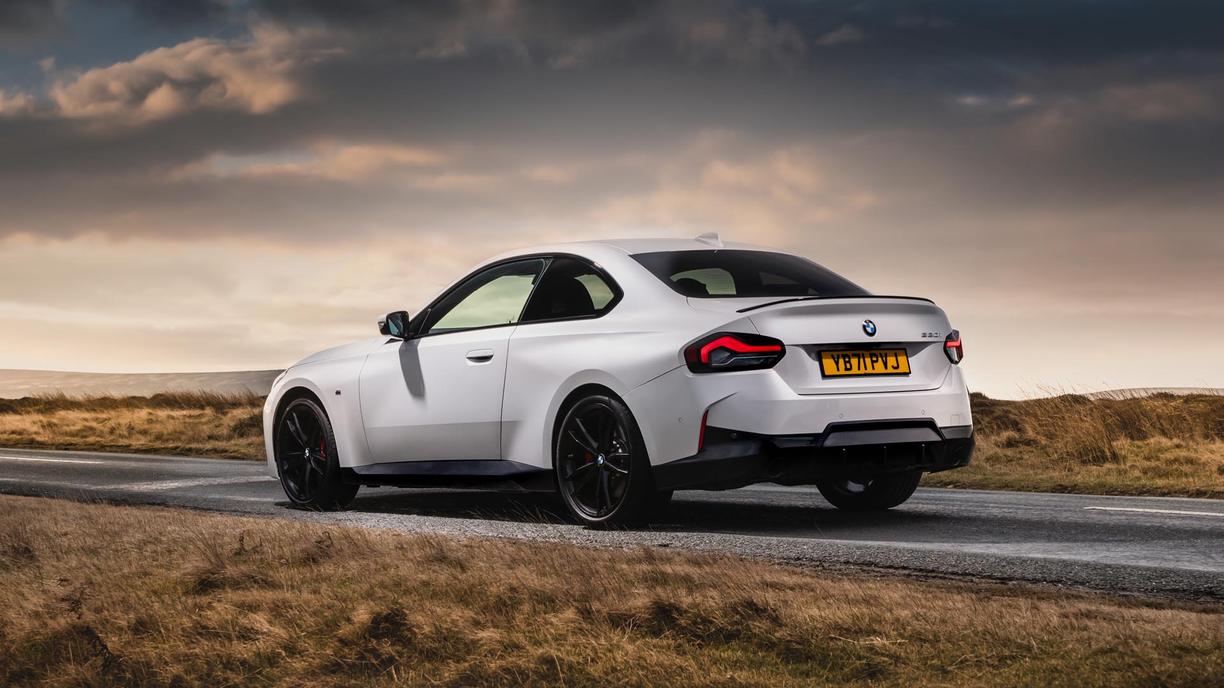
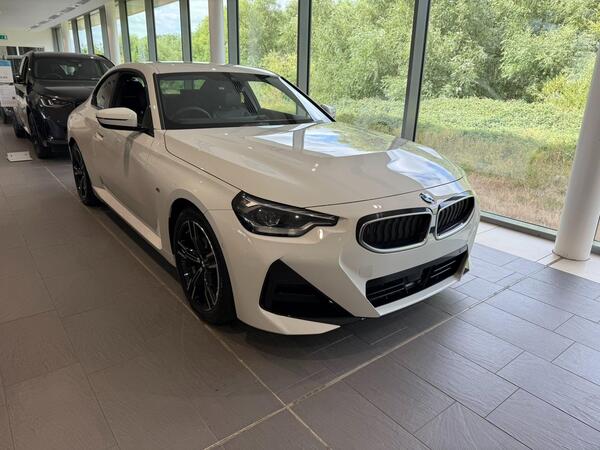
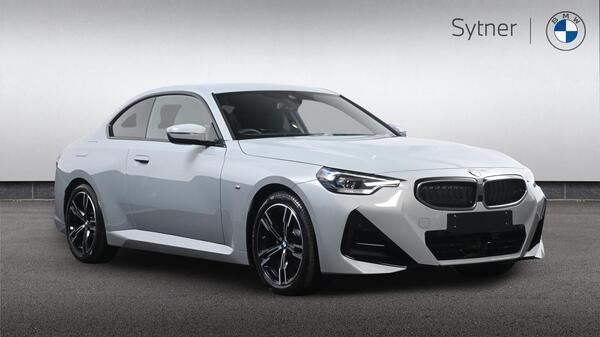
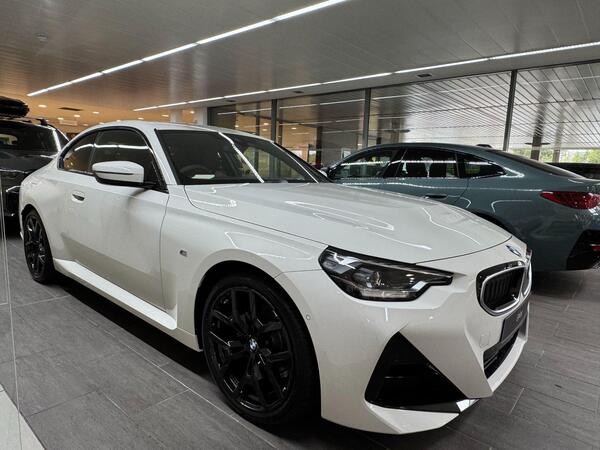
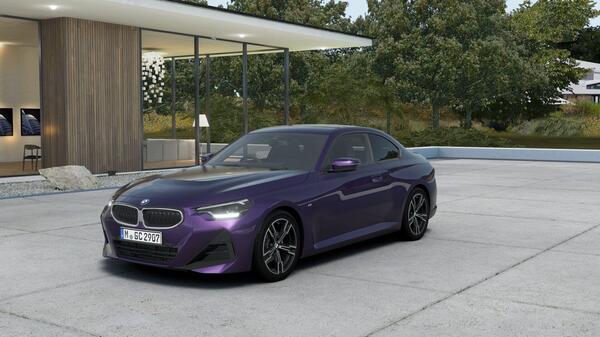
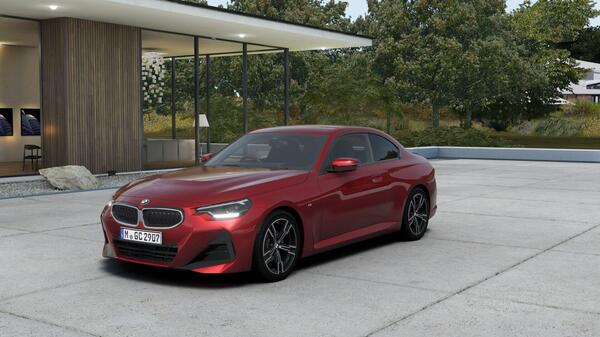
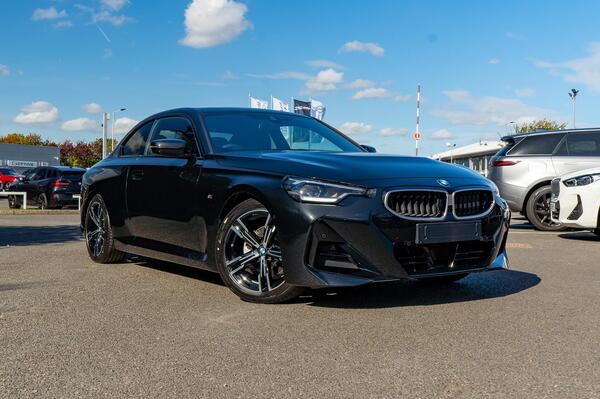
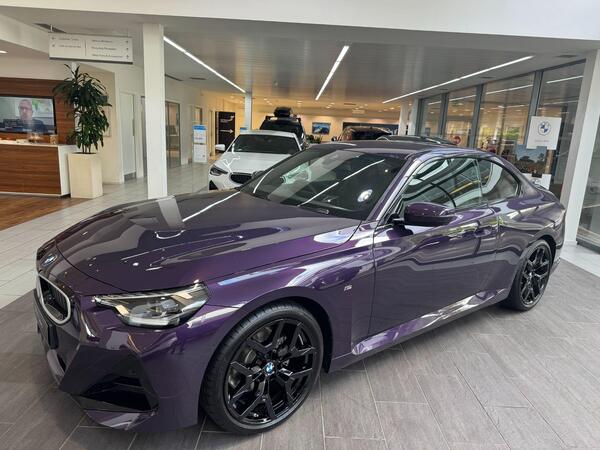
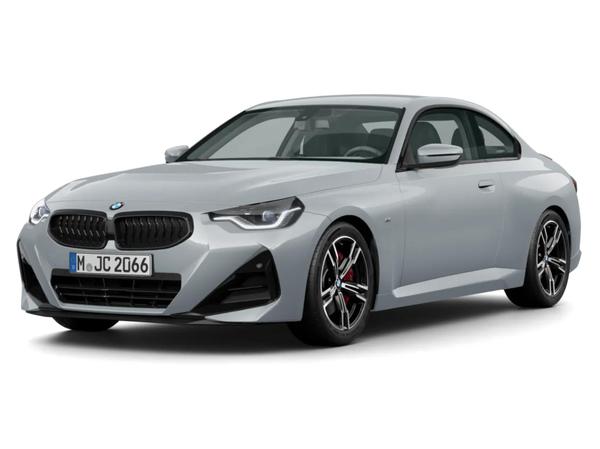
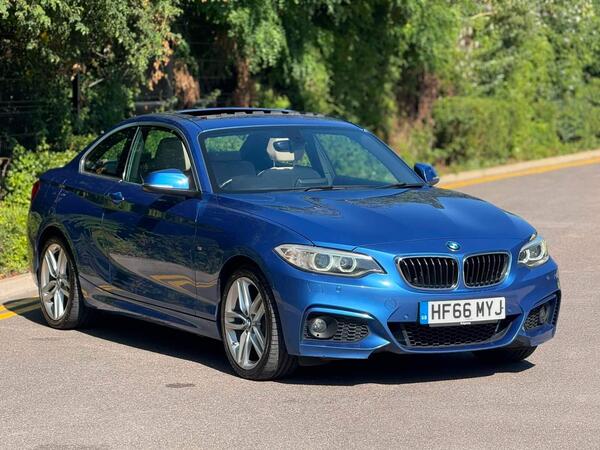
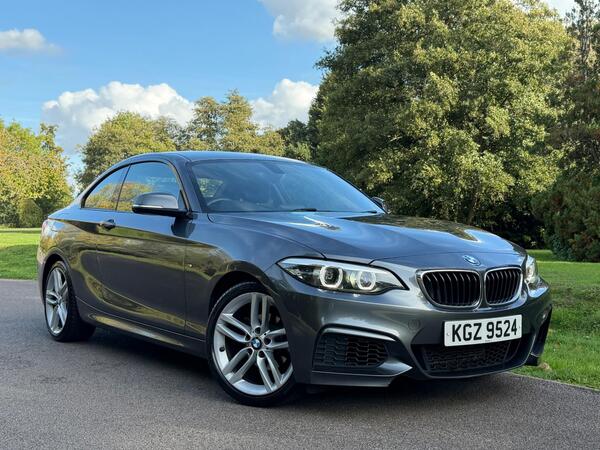
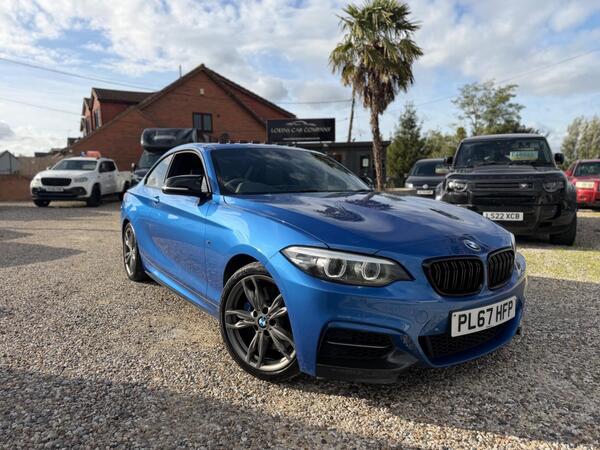
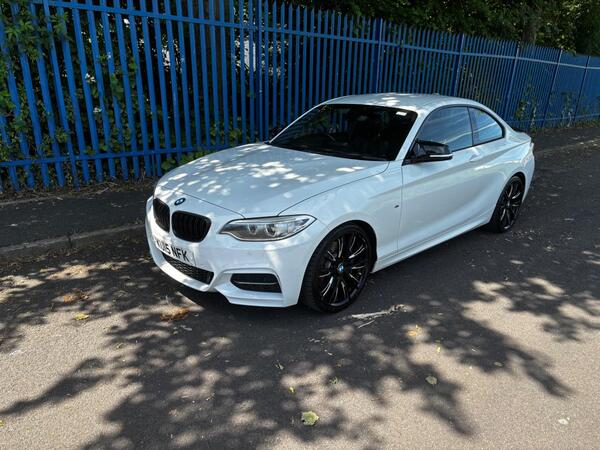
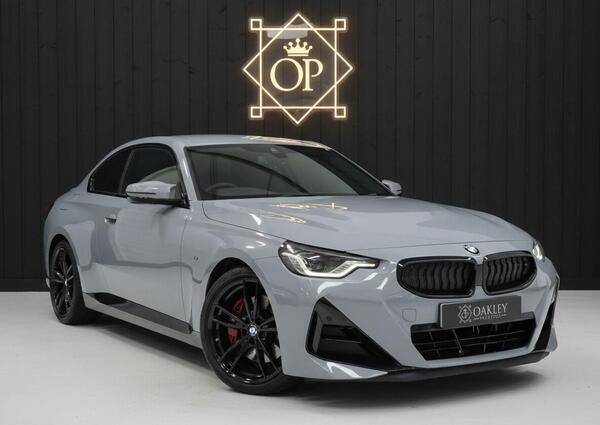
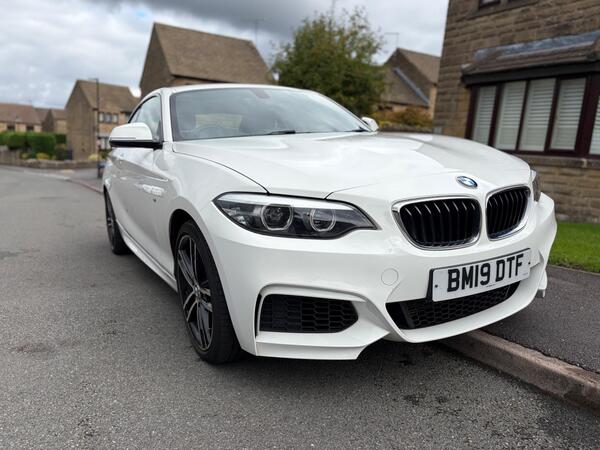
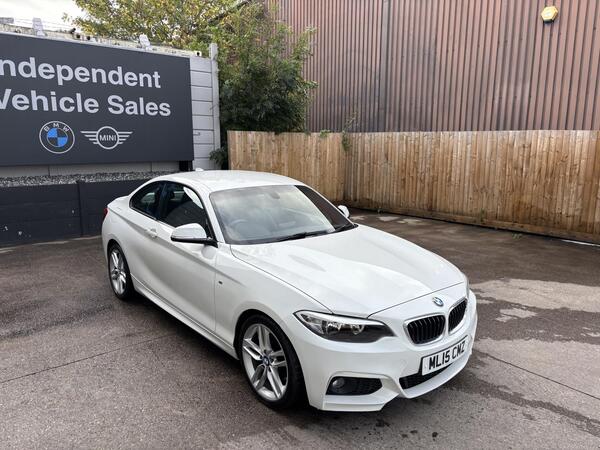
Like a baby 4 Series, the 2 Series coupe delivers BMW’s traditional sporty handling in a grown-up alternative to that hot hatch you might otherwise have considered
Like the rest of the automotive world BMW is having to reinvent itself for the electric age, though it’s still playing to the traditions and fanbase that made its name. And the 2 Series Coupe is a very traditional BMW, sharing nothing whatsoever with other models apparently within the same family. In fact it shares more with the 3 Series and 4 Series, using a rear-wheel drive layout to deliver the trademark handling balance BMW fans have appreciated over the years. If you’re feeling indulgent you can still have it with a big, powerful six-cylinder engine as well, though the more frugal 220i driven here will be the biggest seller and offers more reasonable running costs.
“BMW has long been a master of making its internal combustion engine (ICE) cars do the best numbers possible for improved running costs”
If you want electrification and the associated benefits in running costs you need to look elsewhere in the BMW range – the 2 Series Coupe is aimed at keen drivers who still want a petrol-powered car with old-school handling and are prepared to dig a little deeper into their wallets for the privilege. To be fair, BMW has long been a master of making its internal combustion engine (ICE) cars do the best numbers possible for improved running costs. Without a full hybrid option it’s unlikely you’d want to run one as a company car but as a more premium and grown-up alternative to a posh hot hatch like a Golf GTI or Audi S3 the 2 Series Coupe has real appeal.
Expert rating: 3/5
Reliability of a BMW 2 Series
“The brand hasn’t done especially well on reliability scores of late, though the 2 Series Coupe does use proven engines”
Premium brands like BMW tend to suffer on reliability studies because the cost of repairs tends to be higher when things do go wrong. Even taking that into account the brand hasn’t done especially well on reliability scores of late, though the 2 Series Coupe does use proven engines and other parts that will hopefully deliver on the more premium ownership experience you’d hope for.
Expert rating: 2/5
Safety for a BMW 2 Series
“Combined cruise control and an adjustable speed limiter are also standard, with the option for full Active Cruise Control”
As a modern BMW the 2 Series Coupe comes with all the driver aids you’d expect, including forward collision warning and automatic emergency braking with pedestrian and cyclist detection and tweaks to the steering to keep you in lane on the motorway. The latter are thankfully less intrusive than some systems but can be turned off via a simple ‘hot key’ on the dash if required, though they reset every time you turn the engine off. Parking sensors are also standard, and can be upgraded to all-round cameras with the Parking Assistant Plus option. Combined cruise control and an adjustable speed limiter are also standard, with the option for full Active Cruise Control that can bring you to a halt automatically in traffic and then set off again when the car in front pulls away, all without you having to touch the pedals.
Expert rating: 4/5
How comfortable is the BMW 2 Series
“For two people the 2 Series Coupe is a more luxurious choice, with a more traditionally sporty and low-slung seating position”
We’ve described the 2 Series Coupe as a hot hatch alternative but the thing that sets it apart from rivals like the Golf GTI is also its biggest weakness in practicality terms, the two-door layout meaning access to the rear seats will be a bigger faff than it is in a hatchback-based car. It’s a very different machine but if you want a fast BMW for family use as well the M135i would be a better choice in this respect. If you don’t have kids to cart about, though, the format still works and for two people the 2 Series Coupe is a more luxurious choice, with a more traditionally sporty and low-slung seating position. Regular models like the 220i we tested get M Sport branded suspension for a supposedly sportier feel at the wheel but on the bumpy backroads we were driving on it felt very ‘busy’ and, frankly, a bit tiring after a couple of hours at the wheel. BMW would say this more aggressive character is a deliberate move for a sportier feel than the bigger 3 and 4 Series it’s based on - maybe we’re getting old but it may possibly have gone too far in that direction to be a comfortable daily driver. On that basis we’d like to try the Adaptive M suspension available as an option on the M240i on the basis it has a comfort setting among its modes for, hopefully, a more refined character.
Expert rating: 2/5
Features of the BMW 2 Series
“M Sport is the default trim level, supported by a selection of options bundled into self-explanatory packs like Technology, Comfort and M Sport Pro”
Given it shares a lot with the 4 Series it feels like you’re getting a cabin from a much more expensive model, so the 2 Series Coupe instantly has a more premium vibe than any hot hatch you might also consider at this price. Thankfully BMW has simplified its range structure of late as well and M Sport is the default trim level, supported by a selection of options bundled into self-explanatory packs like Technology, Comfort and M Sport Pro. The M240i, meanwhile, gets its own package of sporty styling upgrades in terms of wheels, bodykit and other additions to underline its position as the top model in the range. In terms of tech the paired digital instrument cluster and central screen look good, the standard Live Cockpit Professional and Connected Package Professional powering them packed with functionality and easy to use but with the option to pair your phone and use your apps via Apple CarPlay or Android Auto if you prefer.
Expert rating: 4/5
Power for a BMW 2 Series
“The 220i goes well, shifts smoothly through the standard eight-speed automatic gearbox and has a nice balance of performance and real-world running costs”
The 2 Series Coupe’s old-school vibe continues with the engine range, which even includes a diesel option. Though doubtless efficient it wouldn’t be our choice for a performance-oriented coupe of this type and the 220i four-cylinder petrol is expected to be the biggest seller by some margin. It’s not the most refined but thanks to its turbocharged 184 horsepower it goes well, shifts smoothly through the standard eight-speed automatic gearbox and has a nice balance of performance and real-world running costs. There’s a more powerful 230i version as well but, if you want a fast 2 Series Coupe, the M240i should be worth the stretch. We’ve not yet driven it in this car but the powerful, six-cylinder engine is familiar from other BMWs (including our M440i long-term test car) and offers a wonderful blend of smoothness and power, all with a lovely exhaust note that sounds much more sophisticated than other cars at this level. It lacks the mild hybrid system found on other models with the same engine so won’t be quite as good on fuel but it does include the xDrive all-wheel drive system for that traditional BMW balance with the security of improved, all-weather traction.