Expert review
Jaguar F-PACE SUV (2016 - 2020) review
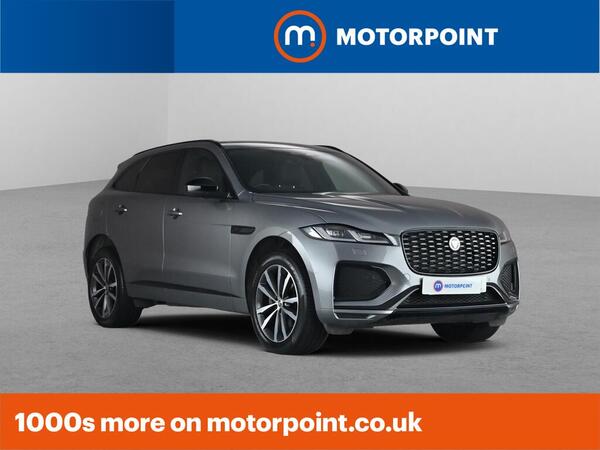
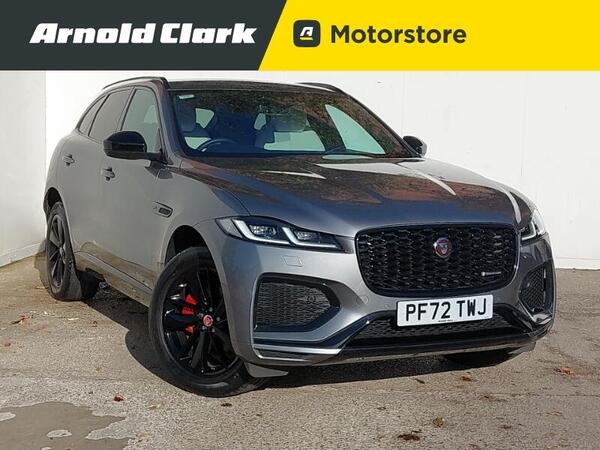
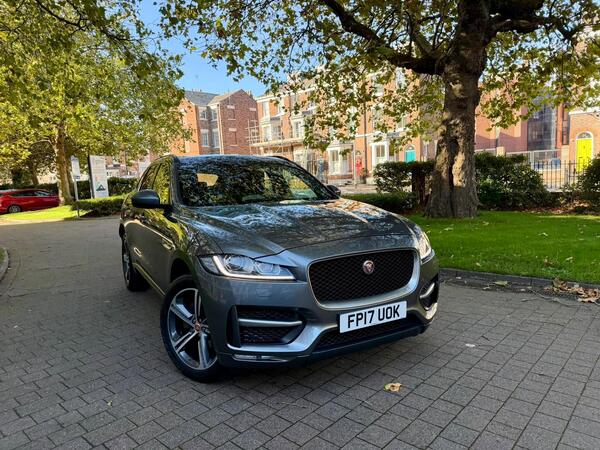
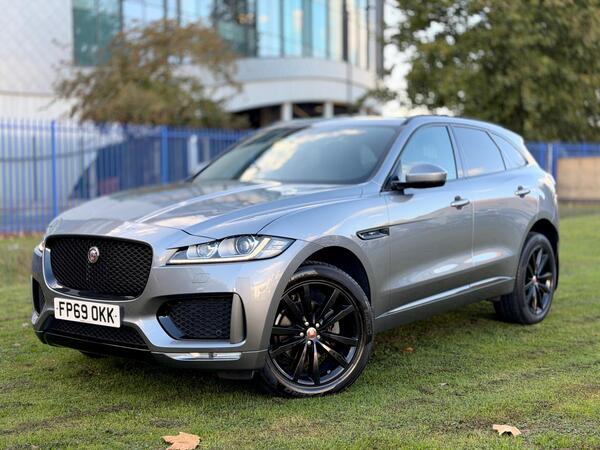
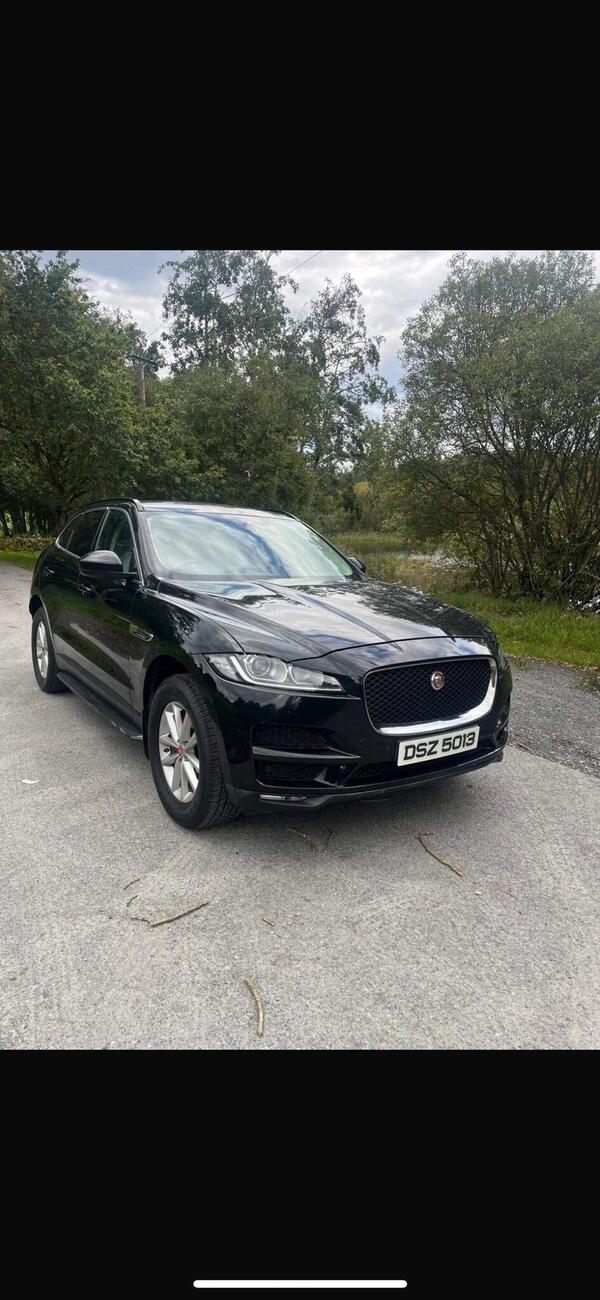
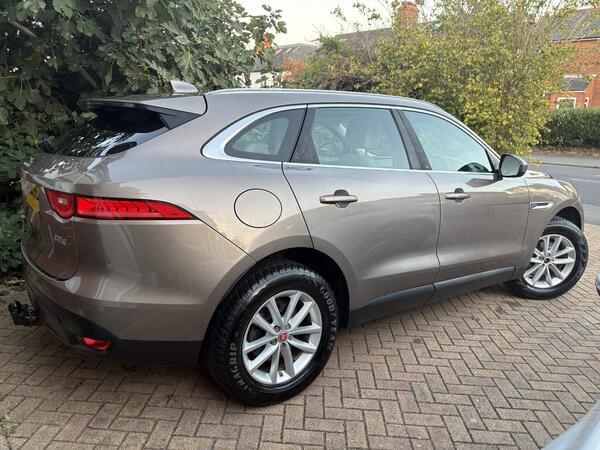
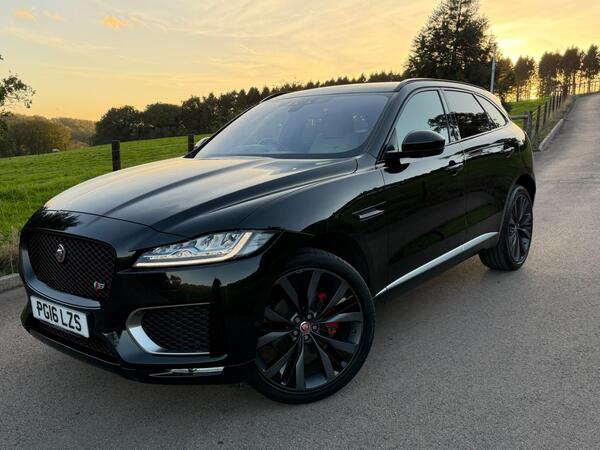
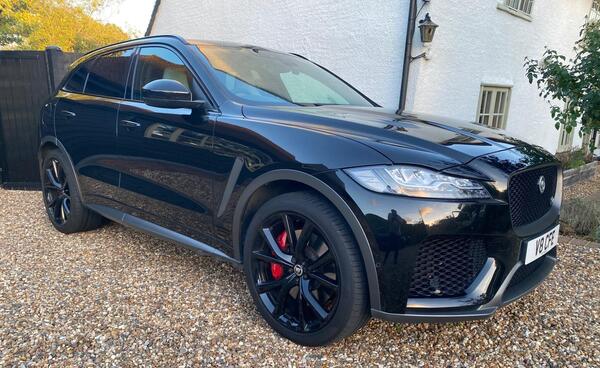
The Jaguar F-Pace is a mid-sized SUV that’s a rival for cars such as Audi Q5, BMW X3 and Mercedes-Benz GLC. It majors on sportiness and space, as our expert review reveals.

The Autotrader expert verdict:
The Jaguar F-Pace offers something different in the mid-size premium SUV sector, being a bit bigger and a bit sportier than most of its rivals. Choose your model carefully and it’s a fine choice, offering excellent practicality and a rewarding drive. Some versions are pricey however, while a mid-life facelift that will bring a classier cabin and more up-to-date tech is imminent.
Reasons to buy:
- Rewarding to drive
- Generous equipment levels
- Practical and spacious inside

Running costs for a Jaguar F-PACE
The core F-Pace models match key rivals such as the Audi Q5 and BMW X3 very closely on purchase price, although the F-Pace is actually a bit bigger than both.
Running costs for the Jaguar will be very similar to those of its German rivals, too. As with those cars, there’s a dramatic difference between the two-wheel-drive diesel models at the lower end of the range and the (very) high-performance four-wheel-drive petrol models at the top.
Stick to rear-wheel drive and a diesel engine and fuel and tax costs are surprisingly low, although it’s inevitable that the F-Pace’s bulk means that it costs more to run than an equivalent saloon or estate. Further up the range, the F-Pace starts to look like an expensive car to buy and own, but the same goes for any premium-badge SUV.
Bear in mind that, unlike some rivals, there's no hybrid version available. This may be a black mark for those looking to reduce company car tax bills, or a more environmentally friendly SUV.
Jaguar’s fixed-price servicing packages help you to budget for maintenance costs, while the upside of the F-Pace’s premium status and desirable image is solid residual values. Insurance group ratings for the F-Pace are lower than average, too.
Expert rating: 4/5

Reliability of a Jaguar F-PACE
Jaguar’s reliability record as a brand falls well short of the best, and finishing 20th out of 24 manufacturers in the 2019 JD Power owner satisfaction survey does not look good. That said, it did finish above both Audi and BMW, and Auto Trader owner reviews of the F-Pace are largely very positive. Warranty cover is three years, with unlimited mileage.
Expert rating: 3/5

Safety for a Jaguar F-PACE
The F-Pace achieved a five-star rating when tested by Euro NCAP in 2017 and it’s certainly a big, safe car. That said, you have to pay extra for some of the advanced safety features that you get as standard with many rivals, and even some much cheaper cars.
All versions have a low-speed automatic emergency braking system, traffic sign recognition, a driver alertness warning and a lane departure warning system. Adaptive cruise control with steering assistance and a high-speed emergency braking system are optional extras across the range, however, as is a blind spot warning system and a rear traffic monitoring function.
Expert rating: 4/5

How comfortable is the Jaguar F-PACE
The F-Pace is slightly larger than its key rivals, and that extra space has been put to good use, making it one of the most practical cars in its class.
While it doesn’t have the seven-seat flexibility of a Land Rover Discovery Sport, the F-Pace is a roomy five-seater with a huge boot. The rear seatbacks have a useful 40/20/40 split/folding system, too, and the load bay is wide and flat. The boot opens at the touch of a button (a standard feature) and you can even buy a special waterproof activity wristband that allows you to lock and unlock the car with the keys inside – perfect for trips to the beach, or any outdoor activity where you'd rather not carry your car keys with you.
The driving position is a bit lower than in some SUVs, which reflects the F-Pace’s sporty character, and most people should be able to get comfortable. Visibility is fine at the front and not so good at the rear – a trade-off for the swoopy styling that means the cabin doesn’t feel as light and airy as some rivals’, especially in the rear.
Much of the F-Pace’s dashboard is shared with the closely related XE executive car, although the F-Pace hasn’t yet gained the latest infotainment system that its saloon counterpart has. This is a bad thing, since the set-up in the F-Pace is looking rather outdated now. In fact, the cabin is a bit short on wow factor as a whole, with the quality of fit and finish no match for an Audi Q5 or Volvo XC60.
Driving dynamics are another matter, and in this respect the F-Pace beats most of the competition. Unlike many SUVs the F-Pace feels nimble, responsive and well-balanced, while still giving you the solid, secure feeling you expect of such a car. The ride is firm but forgiving, unless you go for one of the wilder high-performance versions that have beefed up suspension and huge alloy wheels that make things much less comfortable.
Expert rating: 4/5

Features of the Jaguar F-PACE
The F-Pace is a very well equipped car, and even the cheapest version comes with features such as leather upholstery, 19-inch alloy wheels, sat-nav, a wif-fi hotspot, a powered tailgate, rear-view camera and Apple CarPlay and Android Auto integration. You have to pay extra for full electric seat adjustment, however, while LED headlights are standard for the high-spec SVR model but a cost option for the rest of the range.
.
A huge array of individual options and option packs allow you to tailor the look of the F-Pace, add more high-tech features or give it a sportier or more luxurious character. Tick a few boxes and it’s to bump the price up by hundreds, or thousands, of pounds.
Expert rating: 4/5

Power for a Jaguar F-PACE
Jaguar has recently slimmed down the range of engines available for the F-Pace but there are still quite a few options.
The good news is that all of them provide the kind of pace that you’d expect from a premium SUV, even if the entry-level 180-horsepower 2.0-litre diesel occasionally feels a little breathless when pushed. There’s a higher-powered (240-horsepower) version of the same engine, but if you want a diesel and you want effortless performance you may as well go for the 300-horsepower 3.0 V6.
There are similar outputs for the petrol options, with a a turbocharged 2.0-litre with either 250 or 350 horsepower. There’s a big step up in price and performance to the mighty SVR, which is a high-performance version with a supercharged 5.0-litre V8 that has 550 horsepower and can rocket this heavy SUV from 0-60mph in just 4.1 seconds.
An automatic gearbox is standard across the range. While the economy-focused entry-level diesel is available with rear-wheel drive it’s also offered with four-wheel drive, which is standard for every other F-Pace.
Expert rating: 3/5