Service history when selling a car: why it matters and how it affects the value
A full service history is one of the most sought-after qualifications on a used car, but is it vital?

Words by: Andrew Woodhouse
Last updated on 21 May 2026 | 0 min read
Many sellers think service history is just paperwork, and don’t realise it can directly influence both a car’s value and how easily it sells.
Your service history is a record of how your vehicle has been maintained over time. Having a full service history ready when you sell your car can:
- Increase resale value
- Improve buyer confidence
- Indicate better reliability and lower repair risk
- Support safety and proper maintenance
- Make the car easier and quicker to sell
So, what do you need to do? This article covers it all – from finding your service history to making sure it’s ready to sell.
What is a car service history?
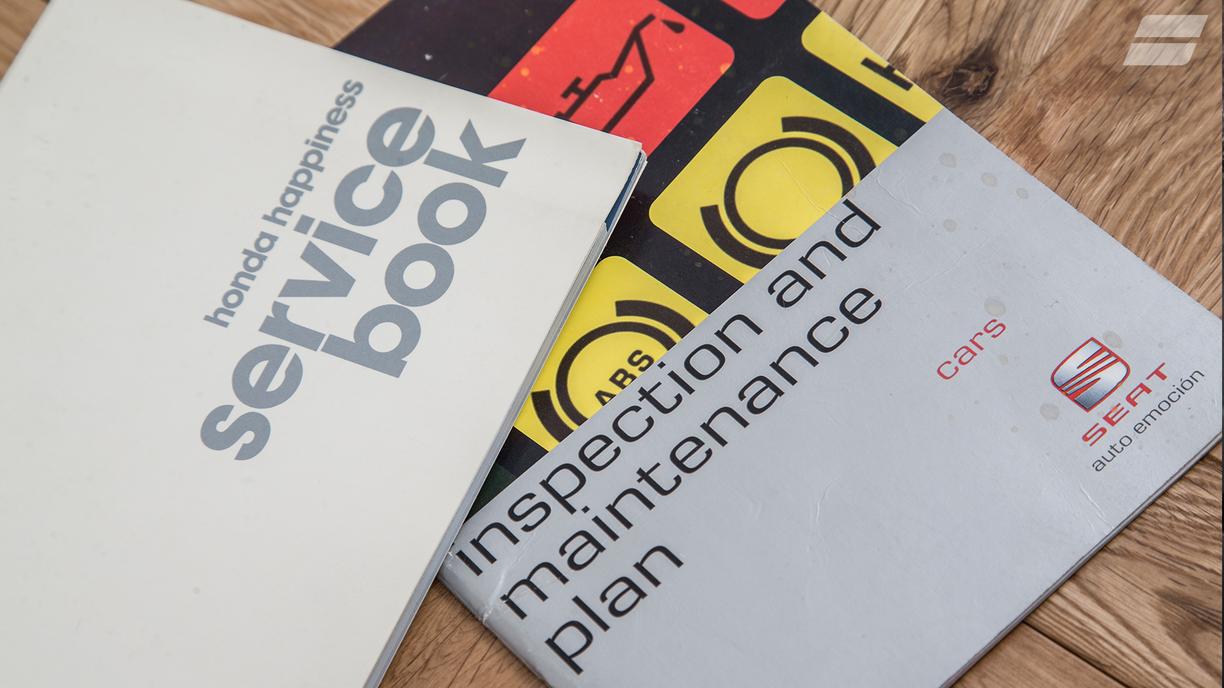
A car service is a record of all maintenance, repairs, and servicing done over a vehicle’s lifetime. Older vehicles may have a physical service book,while modern vehicles tend to offer a digital service history, with brands like Mazda and Land Rover offering a digital history you print off from their website.
Whether physical or digital, the service history covers regular procedures like oil changes, filter replacements, and wheel balancing, along with receipts for repairs and any part replacements.
Your service history can consist of paper or digital records documenting every service and repair. Typical records include:
- Service book entries: dates, mileages, work summaries, and mechanic stamps
- Receipts and invoices from garages
- Garage inspection reports
- Modification records (if any)
Why service history matters when selling a car
Resale value
Service history can have a noticeable effect on how much your car is worth.
Vehicles with a full, well-documented history often sell for higher prices, with Dealer Auction suggesting you’ll get 10% to 15% more than with similar cars that lack records.
Missing or patchy history often leads buyers to negotiate harder or dealers to value the car more cautiously. When there’s room for doubt, they can be more likely to assume there are hidden issues and make a lower offer as a result.
Buyer confidence
A strong service history helps to reassure buyers that the car has been properly maintained.
Cars with clear records tend to:
- Attract more interest
- Encourage more serious enquiries
- Progress more smoothly through the sale process
By contrast, a lack of documentation can introduce doubt in a buyer, even if the car appears to be in good condition.
Warranty and servicing requirements
For newer vehicles, sticking to the manufacturer’s service schedule helps maintain warranty coverage. A lack of proper service records may void warranty claims and lower resale value.
Even outside warranty, buyers still prefer cars serviced in line with manufacturer recommendations.
Reliability and future costs
Service history also helps show how reliable a car is likely to be, and how well a car has been maintained from a safety perspective.
Regular oil changes, brake checks, and the replacement of key components helps reduce the risk of mechanical issues. And the records show what work has already been completed and what may be due next.
Without this information, buyers may assume that important work has been missed, which can affect both their confidence and the price they are willing to pay.
Should you service your car before selling?
Servicing your vehicle before selling can boost buyer confidence and help you negotiate a better price for a small investment.
However, for older or lower-value cars, the benefit may be more limited, and the cost of servicing may not be fully reflected in thefinal price.
What are full, partial, and no service history?
When selling or buying a car, service history is usually described in one of three ways:
Full service history (FSH)
All recommended services have been completed and recorded. This is generally viewed most favourably and supports the strongest resale value.
Partial service history (PSH)
Some records are missing, but there is still evidence that the car has been maintained. This can still reassure buyers, particularly if key services are included.
No service history
There are no records available, which will usually result in lower offers.
How much will my car’s service history affect its value?
A full-service history can boost resale value by 10% to 15%, reassuring buyers that the car is well maintained and not a risky purchase.
And a partial history sits somewhere between the two, adding some value to your car by showing you’ve made some effort to preserve its condition.


How to check or recover your car’s service history
If you’re missing your service history, here’s how to find it.
- Look through the service book: Check the car’s service book for stamps from garages showing services, repairs, mileage, and dates. It doesn’t include costs or details about the work.
- Ask for receipts or invoices for work: Receipts or invoices from the owner provide details on maintenance and repairs.
- Call garages listed in the service book: Contact garages mentioned in the service book for possible records of the car’s service history.
- Request a digital record: Some manufacturers like Mercedes, Ford, and Volkswagen offer digital service records for certain models, covering work done at authorised centres.
If you’re struggling, check your own records, including emails and paperwork, or review MOT history through the DVLA to help build a timeline.
Even partial documentation can make a difference, as it helps reduce uncertainty for buyers.
What buyers look for in a car’s service history
To help you prioritise what to find, here’s what buyers and dealers typically look for:
- Consistent servicing at appropriate intervals
- Mileage that increases logically over time
- Evidence of major maintenance work
- Any gaps or inconsistencies in the record
A complete history is ideal, but any clear, credible records can still present the car positively, even if some details are missing.
Can you sell a car without service history?
It is possible to sell a car without service history, although it may affect both the price achieved and the time it takes to find a buyer.
If you are selling without records, it can help to:
- Be transparent about what is and is not available
- Provide alternative evidence, such as MOT records
- Price the car realistically to reflect the increased uncertainty
Some selling routes, such as trade buyers or car buying services, may be more accommodating in these situations, though valuations will typically reflect theadditionalrisk.
While not every car will have a perfect record, presenting as much information as possible, and understanding how it affects buyer perception,can help you fetch a better price when it comes time to sell.