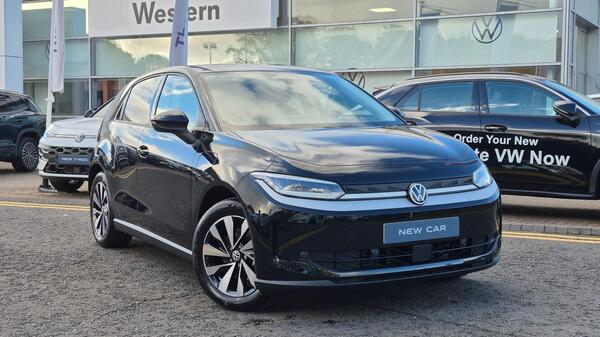
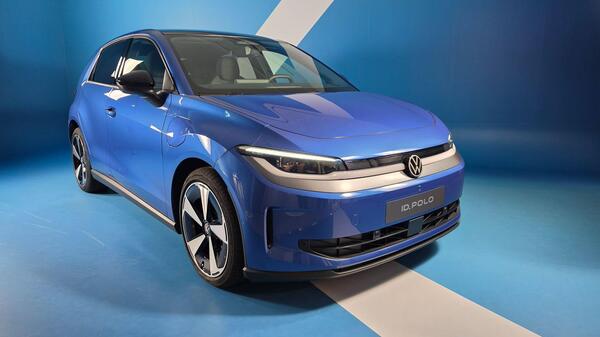
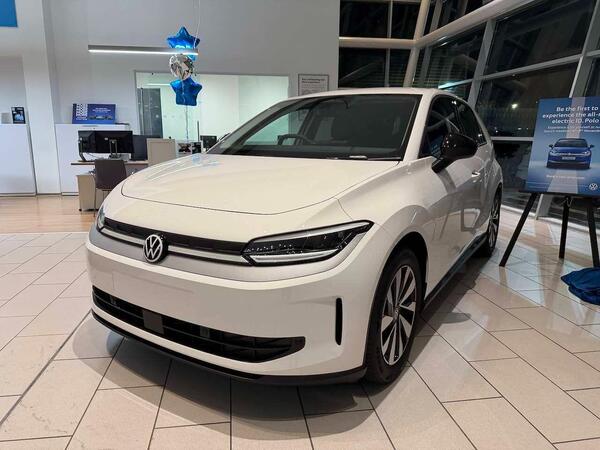
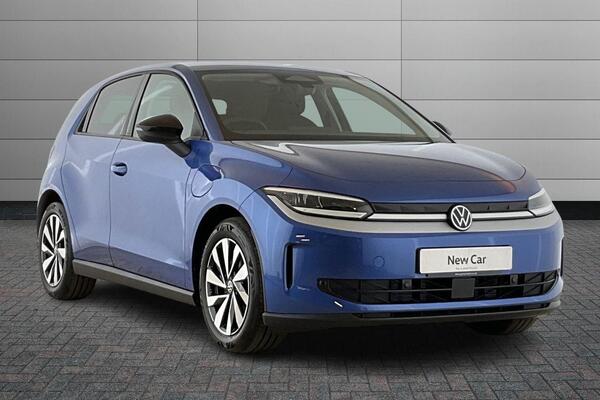
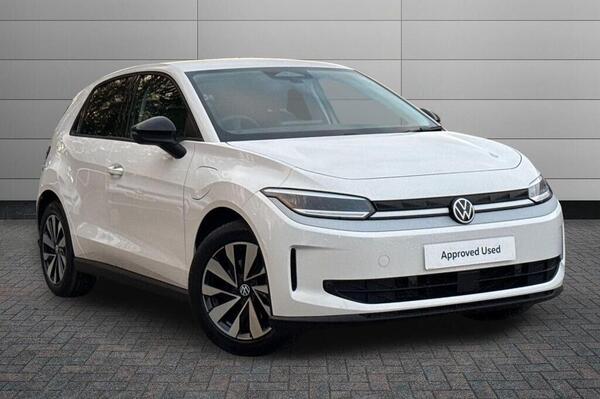
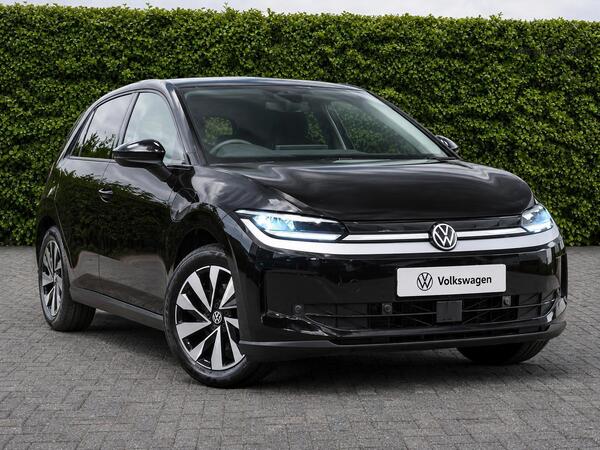
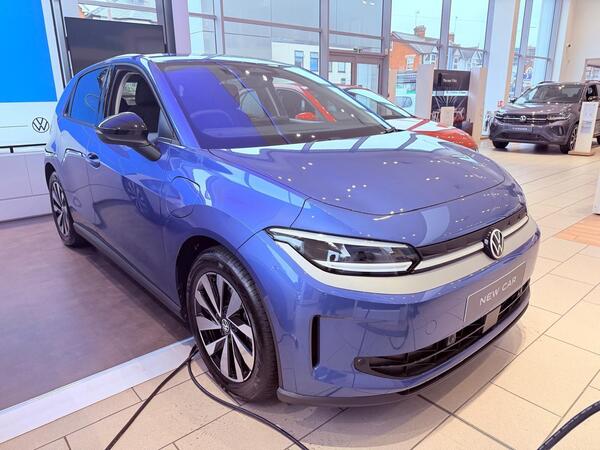
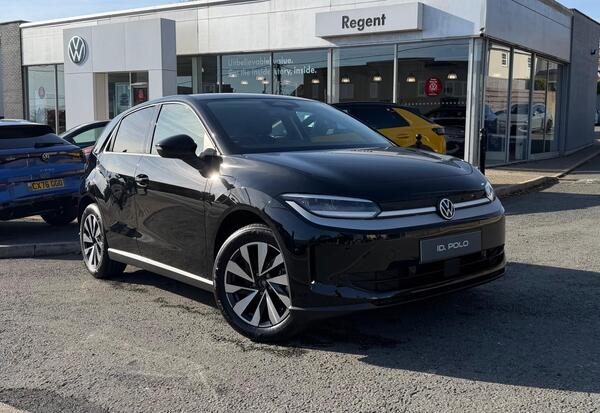
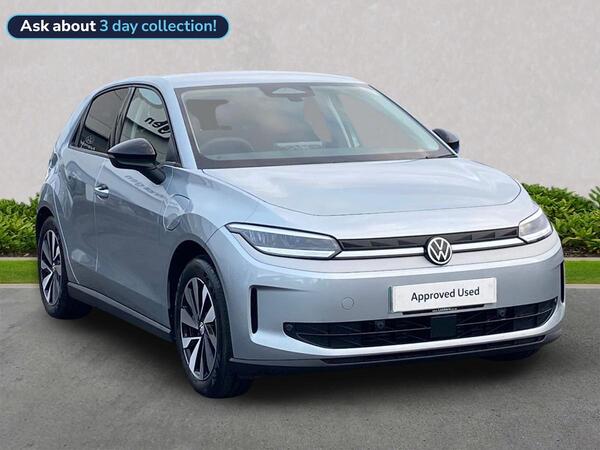
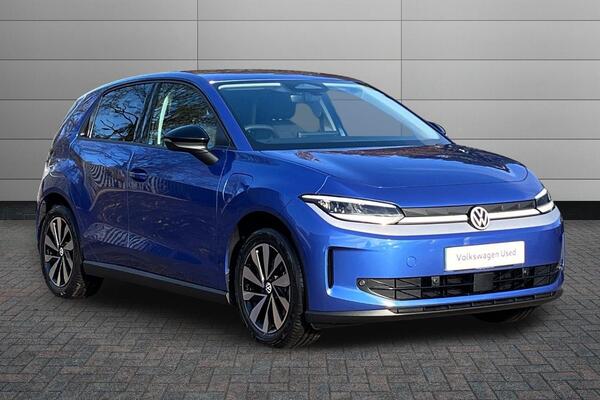
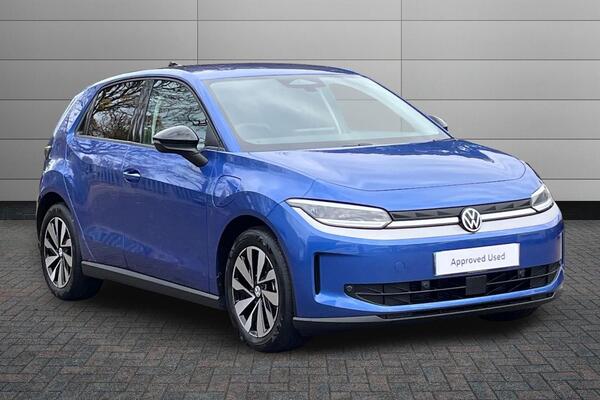
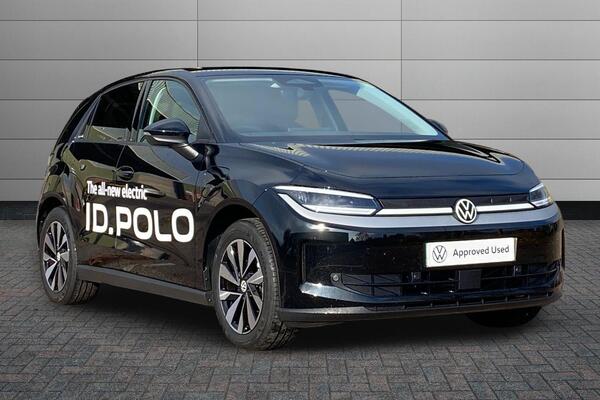
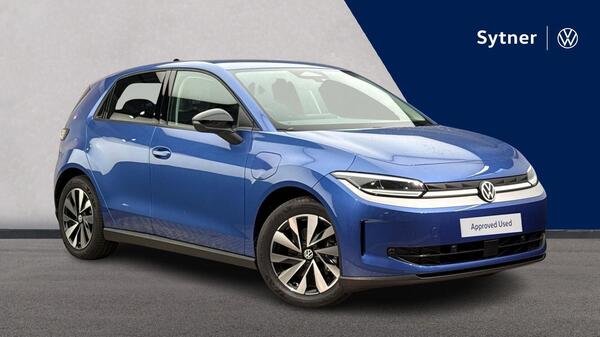
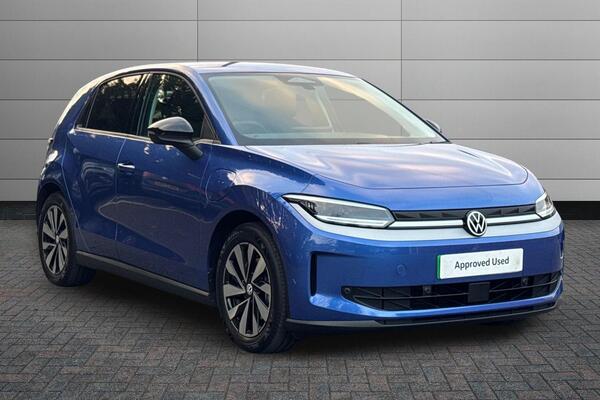
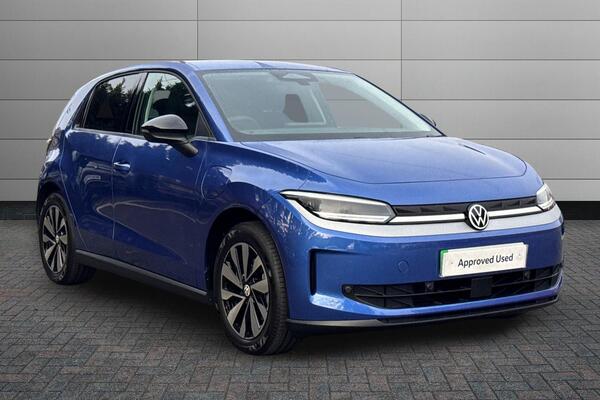
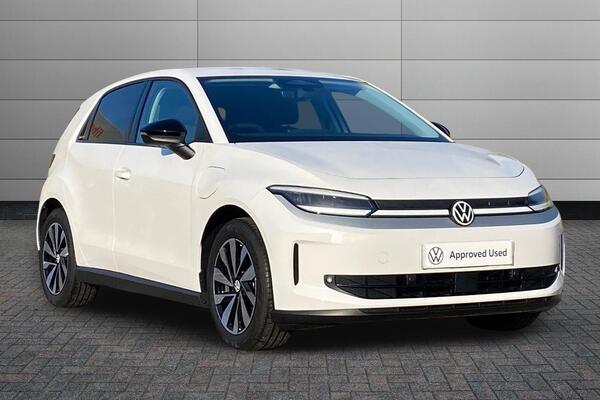
It might sound like damning with faint praise but the biggest compliment I can pay this new ID. Polo is that it just feels like a Volkswagen. As in, the Volkswagens we all used to know and love for their understated quality, neat design, unfussy driving manners and all-round usefulness. True, they were never the flashiest. But, knowing my day-job, when friends and family would ask what car they should get my default answer was always “just buy a Golf.” I might now amend that to “just buy an ID. Polo”, for the fact this electrified reboot of the Golf’s little brother has grown in size, tech and capability and, quietly, answers a lot of the criticisms aimed at the more gimmicky ID.3 that launched VW’s electric age. The ID. Polo dials back a lot of what made that car stand out, but in a good way. It’s up against stiff competition, though, not least from the closely-related Cupra Raval, Skoda Epiq, Audi A2 E-Tron along with the Renault 5, Peugeot E-208, Fiat Grande Panda and new Chinese entrants like the BYD Dolphin. To name but a few!
Volkswagen has put a considerable effort into making the entire production process for the ID. Polo as sustainable as possible. All the electricity at the production plant comes from 100 per cent renewable energy, and water consumption has been reduced by 45 per cent since 2010. The battery production follows a similar approach, with low-carbon energy being used throughout the process. LFP chemistry for the battery has an environmental advantage over NMC in some respects because it doesn't require nickel or cobalt in the cathode, and being of a smaller capacity, it uses less material overall per battery pack. The batteries are produced in Salzgitter, Germany. The interior of the ID. Polo also makes extensive use of recycled materials.
Running costs for a Volkswagen ID. Polo
“You can have your ID. Polo with a smaller and more cost-efficient LFP battery if affordability is a priority”
Electric cars were, for too long, too big and too expensive to tempt mainstream buyers growing up on affordable small hatchbacks like, well, the VW Polo. Things are changing, though, and the ID. Polo enters a buzzing class of more affordable options from familiar names and new brands alike. To those ends you can have your ID. Polo with a smaller and more cost-efficient LFP batteryif affordability is a priority and you just need a car for bombing around town. Or go the other way, with a fancier one like the Style Launch Edition I tested, with a larger battery and host of ‘big car’ luxuries. Whichever you go for at the time of writing you’ll get a useful saving on your ID. Polo via the Electric Car Grant, every little helping and all. More generally it’s the usual electric car stuff of much cheaper ‘fuel’, especially if you have facility to charge at home on an off-peak domestic electricity tariff and Benefit In Kind savings if you run it as a company car.
Expert rating: 4/5
Reliability of a Volkswagen ID. Polo
“For whatever reason, my test car kept refusing to recognise the (not so) ‘smart’ key”
I’d like to say early wobbles with the electronics on VW’s ID family of electric cars are a thing of the past but, for whatever reason, my test car kept refusing to recognise the (not so) ‘smart’ key, usefully telling me I should consult the manual for instructions on where to wave the fob to pair it to the car again. This and a bit of swearing usually got me under way but it was frustrating, especially when I put the car into P at a junction and it then refused to ‘start’ again, stranding me for an entire traffic light cycle. I’ll leave you to imagine how delighted the drivers stuck behind me were at this…
Expert rating: 3/5
Safety for a Volkswagen ID. Polo
“Warnings for unseen cars in your blindspot, crossing behind you or passing when you open your door are all standard”
True, VW reserves some of the additional safety features like its Proactive Passenger Protection and Swerve Support for fancier trims and Launch Editions but I take heart in the fact the really useful and important stuff like warnings for unseen cars in your blindspot, crossing behind you or passing when you open your door are all standard. Likewise, all the airbags you could wish for, including a central one to stop driver and passenger colliding in a side impact. I also appreciated VW’s acceptance that buttons are safer than touch-operated controls and the return of physical switches for basics like volume and ventilation control, likewise that stuff you still need to operate on the screen is done so through big, bold graphics you don’t need to squint at to operate. This stuff shouldn’t be difficult but so many rivals – especially those from Chinese brands – have fiddly interfaces demanding too much time with your eyes off the road. Thanks for listening, VW.
Expert rating: 5/5
How comfortable is the Volkswagen ID. Polo
“The ID. Polo is more Golf-sized in its interior and boot space”
The ID Polo arrived at the start of a very busy week for me, with some big motorway miles ahead of me. Not the comfort zone you might expect for a small, city-focused hatchback but I was genuinely impressed, both with fundamentals like motorway refinement and ride quality and the luxury trimmings on my test car, these including heating and massage for the front seats. True, these add to the cost. But if you have a long commute or spend a lot of time in your car you’ll be glad of them. Bigger in every dimension than a conventional Polo, the ID. Polo is more Golf-sized in its interior and boot space, and has enough space to operate as a compact family car. The variable-height floor (another perk of the higher trim level) and large stash space beneath it were also very welcome. For its combination of big car comfort and small car practicality I’m calling it a winner, though I’d like to try one in a more basic trim level to see if that positive impression remains when you’re travelling in economy class as well.
Expert rating: 4/5
Features of the Volkswagen ID. Polo
“The menus are logical, the graphics chunky and crisp and the interface easy to get your head around”
Indulge me another cheer for VW responding to customer feedback and bringing back physical switches and controls, both for basics like heating and ventilation and for the buttons operating cruise control, infotainment and more on the steering wheel. The fact you can do pretty much everything you need to without taking your eyes off the road and jabbing at a screen is such a relief, and I can only hope the rest of the industry responds in kind. And when you do need to use the screen the menus are logical, the graphics chunky and crisp and the interface easy to get your head around. While generally quite ‘sensible pants’ in style I also appreciated some of the more playful touches, like the digital simulation of 80s VW style instruments in the driver display. For all that the black-on-black interior vibe of my test car was as gloomy as the November weather I was driving in, mind. Looking at the configurator there is at least a paler option, though it’s still a bit grey. Colourful ambient lighting on the Style trim I tested at least makes things a little more cheerful and I liked the stitched fabric trim on the doors and dash. But, overall, it’s more functional than fun.
Expert rating: 4/5
Power for a Volkswagen ID. Polo
“I was impressed at the 3.7 miles per kWh I scored on an extended motorway trip”
A bit to get your head around here! You need to stick to the base Life trim for the full range of options, these comprising the standard 37kWh battery with choice of two power outputs as well as the top-of-the-range 52kWh battery with the best-case 281 miles of range, faster charging and more powerful motor. This was the one I drove, and with apologies for throwing more numbers into the mix I was impressed at the 3.7 miles per kWh I scored on an extended motorway trip in cool autumnal temperatures. Multiplying that by the battery capacity (mental arithmetic is a big part of EV ownership!) equates to real-world range of a little over 190 miles, which is some way short of the claims but to be expected at the time of year I was driving and decent efficiency for motorway miles. I’d expect it to do a lot better in town, where you can lean more heavily on the ‘B’ mode and sore energy back into the battery with the true ‘one-pedal’ regen when slowing down. I’d like to sense-check against the less powerful models but the 211 horsepower of the one I drove was fast enough to keep up on the motorway and plenty nippy around town.