How to travel with an electric bike
E-bikes are great for getting to places but what if you want to get your e-bike places? Read on!
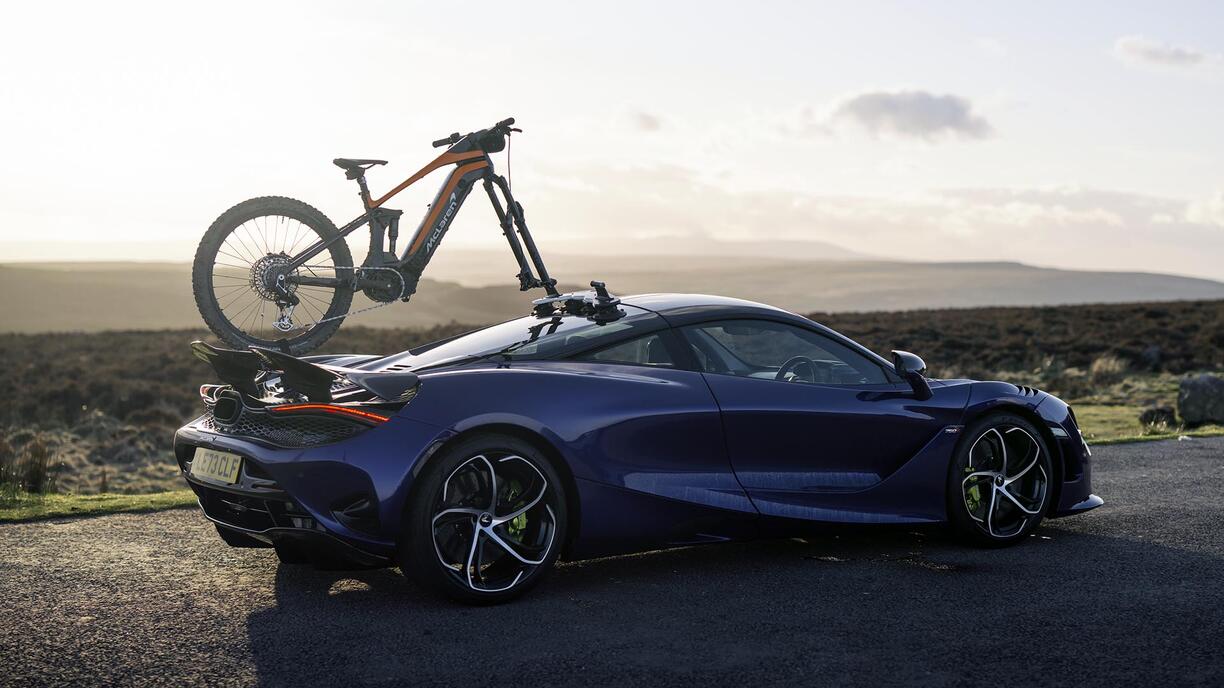

Electric bikes make it easier to explore further from home, whether you’re heading away for a weekend, taking your bike on holiday or combining cycling with public transport. But as an e-bike owner, you already know that! This guide isn’t about how to ride an e-bike – it’s about how to transport one safely and legally, from choosing the right vehicle rack to understanding battery rules on trains, ferries and planes.
What bike rack should I use for an e-bike?

Travelling by car
The simplest way to travel with an electric bike is often by car, but e-bikes are typically heavier than conventional bikes, so the rack you use matters. Check its weight rating, the limit for each bike position on the rack and your vehicle’s nose weight if you’re using a towbar-mounted carrier. Many electric bikes weigh more than 20kg, and some are heavier still once accessories are fitted.
A towbar-mounted rack is often the most practical option because it keeps the bike lower to the ground and can be easier to load than a roof rack. Make sure the wheels, frame and battery area are securely supported, and remove loose items such as panniers, lights or water bottles before setting off. If your e-bike has a removable battery, take it off before loading the bike, provided the manufacturer says it is safe to do so.
Store the battery inside the car, away from direct heat, sharp objects and anything that could damage the casing or terminals. Never carry a visibly damaged, swollen or overheating battery.
Which car rack is right for your e-bike?
For most full-size e-bikes, a platform-style towbar rack is the safest and most convenient option, though also the most expensive. These racks support the bike by its wheels, sit low enough to make loading easier and are usually have more generous weight limits than boot-mounted or roof-mounted carriers. Look for wide wheel trays, long wheel straps, generous spacing between bikes and, if you regularly travel alone, a loading ramp.
Folding e-bikes can be easier to carry inside the car if they fit securely in the boot, but if you use an external rack you still need to check the folded bike’s weight and shape. Compact frames, step-through frames and unusual tube profiles may need adjustable clamps or frame adapters so the bike can be held without crushing cables or battery housings.
Electric mountain bikes, fat-tyre e-bikes and cargo e-bikes need extra care. Check the rack’s maximum individual bike weight, not just the total load rating, because a rack that can carry two bikes overall may still have a lower weight limit for each tray. For fat tyres, check the maximum tyre width and whether wider straps are available. For long-wheelbase or cargo-style e-bikes, check the maximum wheelbase and make sure the bike will not overhang the rack or obscure the vehicle’s lights or number plate.

Roof racks are best reserved for lighter e-bikes, such as some electric road or gravel bikes, because lifting a heavy bike above shoulder height can be awkward and roof carriers generally have lower bike weight limits than towbar racks. Boot-mounted attached by straps are generally less suitable for e-bikes because they may not offer enough load capacity or stability, and they can put pressure on bodywork. If you do use one, confirm that both the vehicle and rack manufacturer approve it for your specific e-bike. Generally, we’d advise against, though.
For general tips see Autotrader’s guide to transporting bikes on cars.

Travelling by train
You can take many road-legal electric bikes on UK trains, but the rules vary by operator, route and time of day. Some services require bike reservations, and full-size bikes may be restricted during peak times. Transport for London rules are stricter than many other networks, so check before you travel if your journey involves the Underground, Overground, Elizabeth Line, buses or trams.
Folding e-bikes are often easier to take on public transport, but they must usually be folded and carried like luggage. For safety, do not charge an e-bike on a train unless there is a clearly designated facility permitting it.
Rail industry guidance says spare e-bike batteries should not be carried, batteries should stay fitted unless the bike is designed for safe removal for folding, and damaged or modified e-bikes should not be taken onboard.

Travelling by ferry
Ferries can be one of the easier ways to travel with an electric bike because, in many cases, you can wheel the bike onboard rather than dismantling it. Rules still vary by route and operator, so add the bike or bike rack to your booking where required and check whether space must be reserved in advance, especially if you are travelling as a foot passenger.
Onboard, follow the crew’s directions and stow the e-bike in the designated area, usually on the car deck or in a bike store. Avoid charging the battery during the crossing unless the ship provides a dedicated charging facility and the crew confirms it is permitted.
As with any journey, inspect the battery before you travel. If the e-bike or battery is damaged, overheating, modified or showing warning signs, contact the ferry operator before arriving at the port. UK Maritime and Coastguard Agency guidance highlights the need for operators to manage the safe carriage and charging of electric vehicles, including e-bikes.
Travelling by air
Flying with an electric bike is difficult because of the batteries powering them. Lithium-ion powerpacks are regulated because, if damaged or faulty, they can overheat and catch fire. The UK Civil Aviation Authority says lithium-ion batteries over 160 watt-hours are prohibited in passenger baggage, and most e-bike batteries are far larger than that. That means you should not assume you can take an e-bike battery in either checked luggage or hand luggage.
Some airlines may accept an e-bike frame as sports equipment if the battery is removed, but the battery will normally need to stay at home, be hired at your destination or be transported separately as dangerous goods cargo by an approved carrier.
E-bike travel checklist
- Check your e-bike’s weight, battery rating and whether the battery is removable
- Read the latest rules from your train operator, airline or ferry provider before booking
- Use a rack rated for the weight of your e-bike and your vehicle • Remove loose accessories before transport
- Never travel with a damaged, swollen or overheating battery
- Plan charging at your destination rather than relying on charging while travelling
