What kit do I need to ride an electric bike?
Find out what you do (and don’t) need to ride an electric bike in the UK
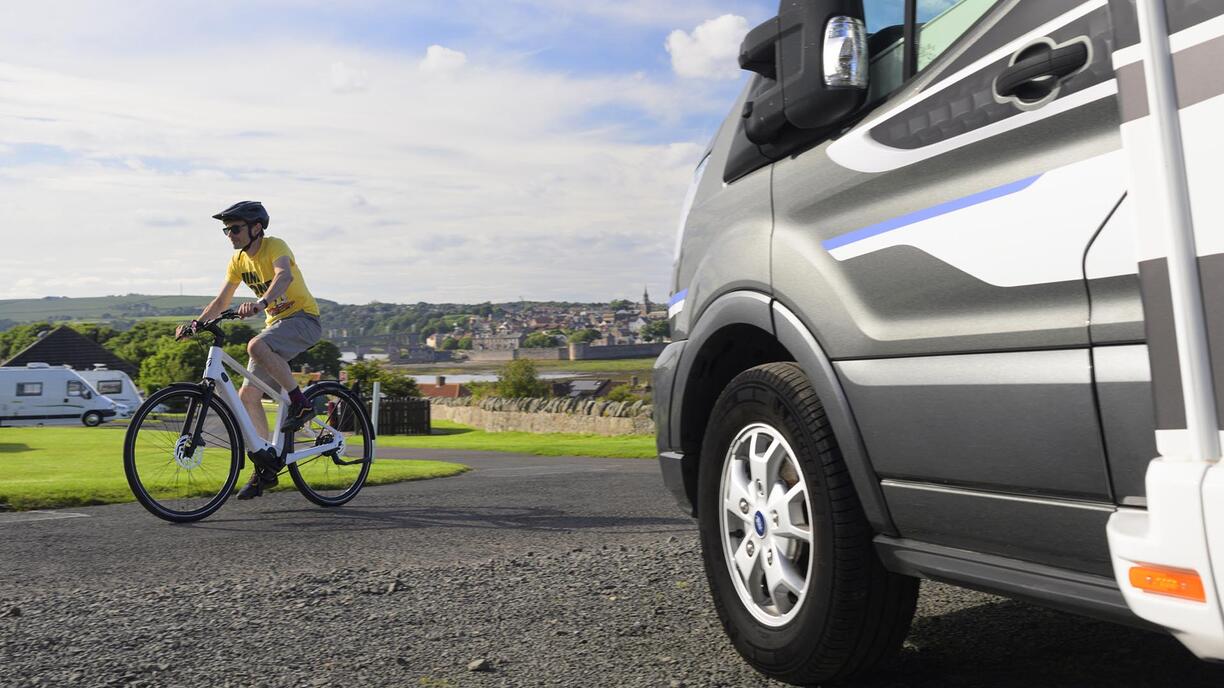

Electric bikes are a brilliant way to make every day journeys feel that little bit easier. Whether you are commuting, popping to the shops or heading out for a weekend ride, the good news is that you do not need loads of specialist gear to get started.
If your e-bike is a road-legal electrically assisted pedal cycle, or EAPC, the essentials are much the same as riding a conventional bicycle. That being said, let’s walk through what you do and don’t need to ride an e-bike.

Do I need a licence to ride an electric bike?
In the UK, you do not need a driving licence, insurance, tax or registration to ride an EAPC. It must have a motor with a maximum continuous rated power of 250 watts and electrical assistance that cuts out at 15.5mph. The motor must also only work under pedal operation – throttle-only bikes are classed as e-mopeds regardless of maximum speed assistance. Riders must also be aged 14 or over.
If an electric bike falls outside those limits, it may be treated as a moped or motorcycle instead. That can mean needing registration, insurance, vehicle tax, the right licence and an approved motorcycle helmet, so check the specification before you ride on public roads.

Should I wear a helmet when riding an electric bike?
A helmet is not a legal requirement for riding a standard electric bike in the UK, but it is strongly recommended. E-bikes can make longer journeys and hillier routes feel easier, which often means riding in faster or busier traffic than you might on a non-electric bike. Choose a cycle helmet that fits securely, sits level on your head and is comfortable enough that you will wear it.
It’s also worth noting that there is a separate classification for e-bike approved helmets. This is the Dutch NTA-8765 certification, and it means the helmet is rated for speeds up to 28mph.

Do I need special clothing or shoes to ride an electric bike?
In short, no. For most everyday riding, normal clothes and comfortable shoes are fine. You do not need cycling-specific shoes unless you choose to use clipless pedals which are often used on road, gravel or some mountain bikes.
For commuting, it is worth thinking about practical extras like a waterproof jacket, gloves in colder weather and reflective details if you ride during times of poor visibility.

What lights do I need to ride and electric bike?

What kind of locks should I use to keep an electric bike secure?
A lock is highly advisable, especially as electric bikes can be more expensive than standard bicycles. Look for the ‘Sold Secure’ rating the lock has – Diamond and Gold rated locks are often suggested by bicycle insurance companies.
A sturdy D-lock or chain lock is a good starting point, and many riders use a second lock to secure both the frame and wheels. When possible, lock the bike to an immovable object in a busy, well-lit place, and remove accessories such as lights, batteries or displays if they are easy to detach.

What should I carry when riding an electric bike?

Electric bike kit checklist
- Cycle helmet
- Front and rear lights
- Strong bike lock, ideally with a secondary lock
- Weather-appropriate clothing and visible details
- Mini pump, multitool and puncture repair essentials
- Charged phone, payment card and any battery key or charger you need
Once you have the basics covered, you can build your kit around the way you actually ride. A short trip across town may only call for a helmet, lights and a decent lock, while a longer commute or weekend route is where weatherproof clothing, puncture repair gear and charging habits become more useful.
Start simple, stay visible and secure your bike properly, and you will be ready to enjoy the extra boost an electric bike can bring.
