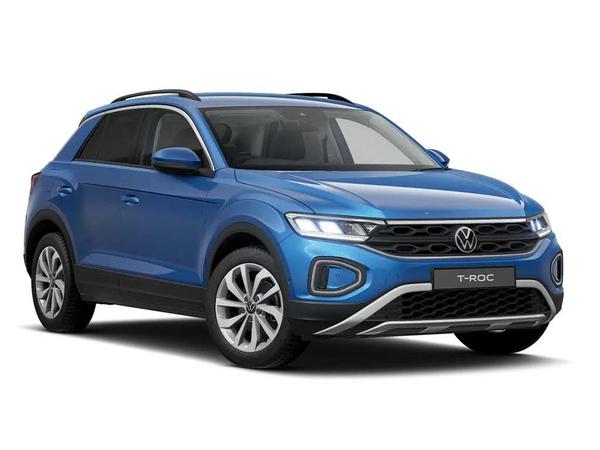
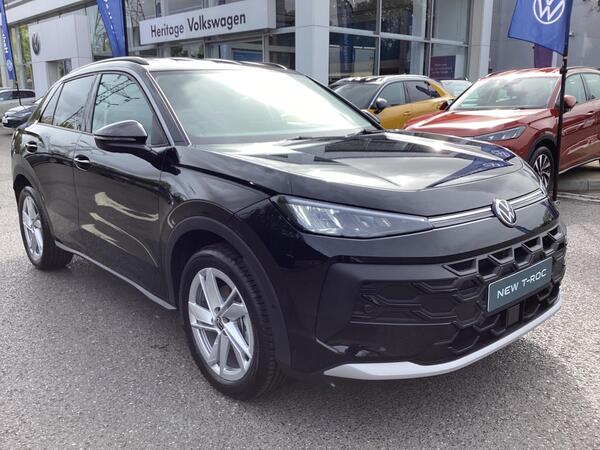
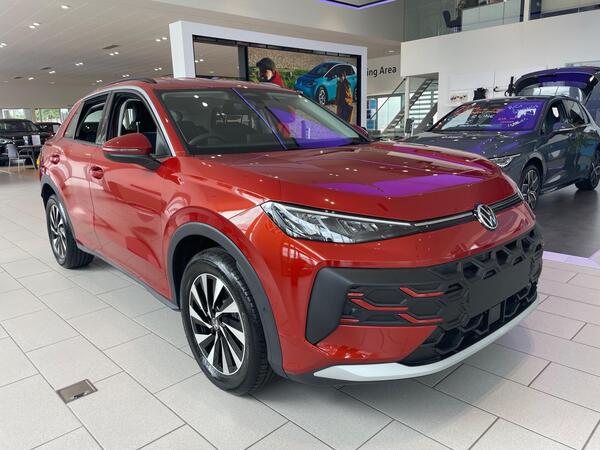
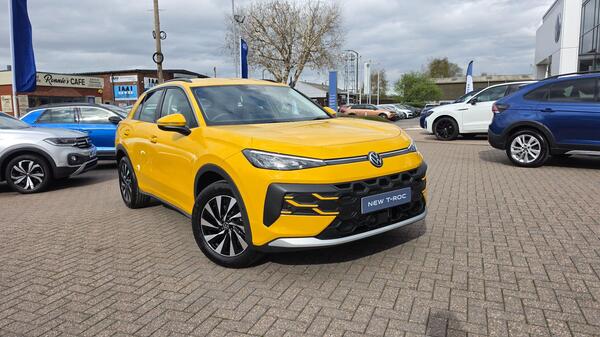
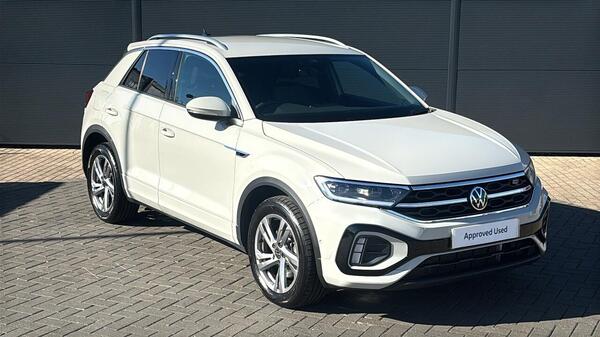
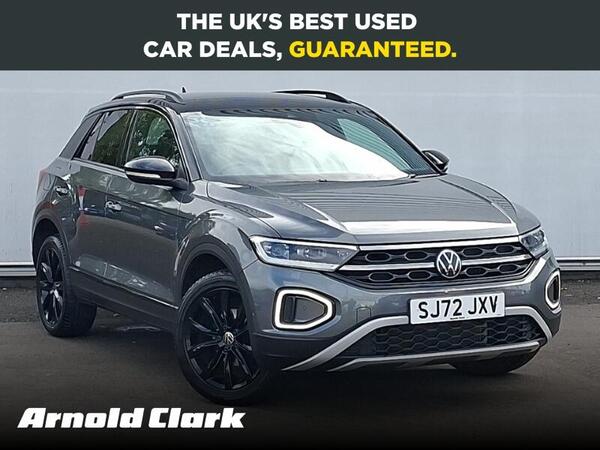
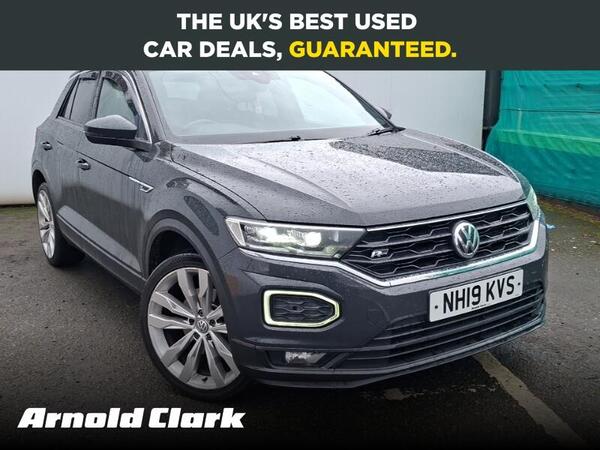
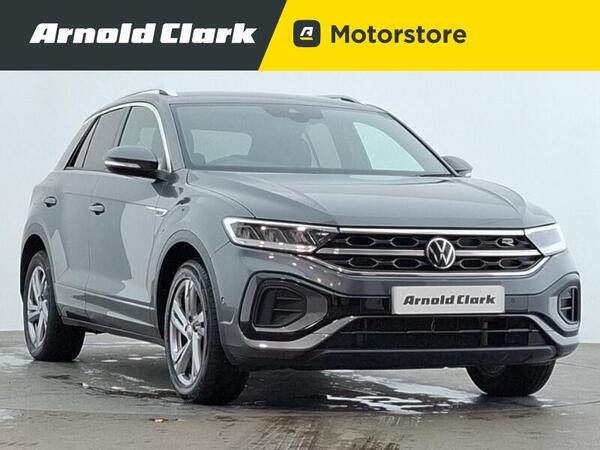
Volkswagen T-Roc (2025 - ) review
A consistent best-seller, this new generation of T-Roc is the VW reimagining traditional strengths in a more fashionable format
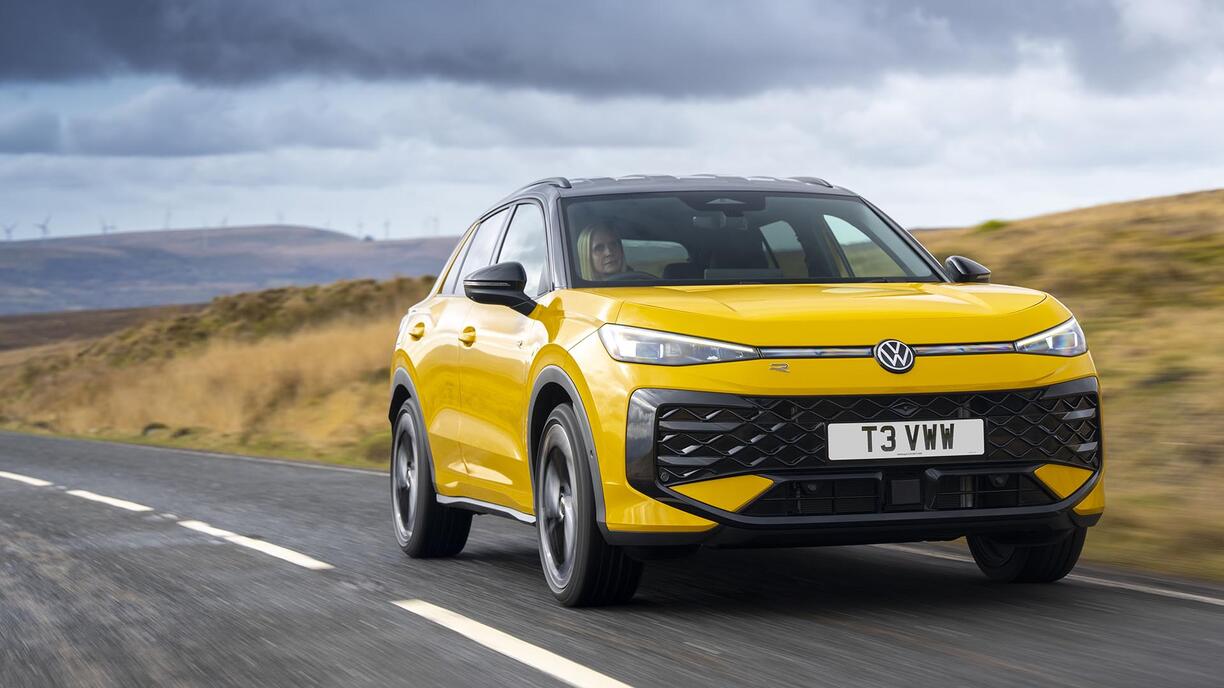

Words by: Dan Trent
Published on 14 May 2026 | 0 min read
The Autotrader expert verdict:
Available new from £31,990
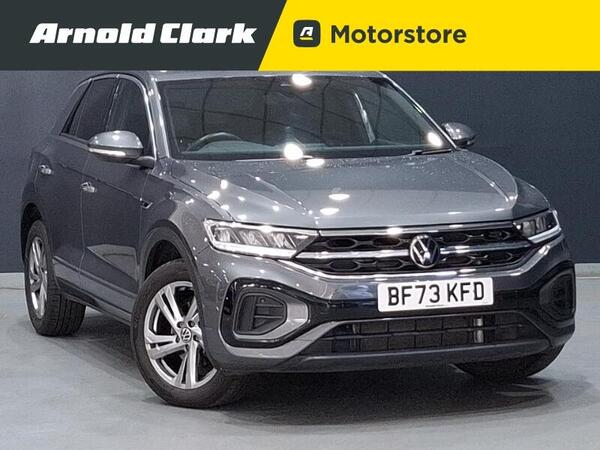
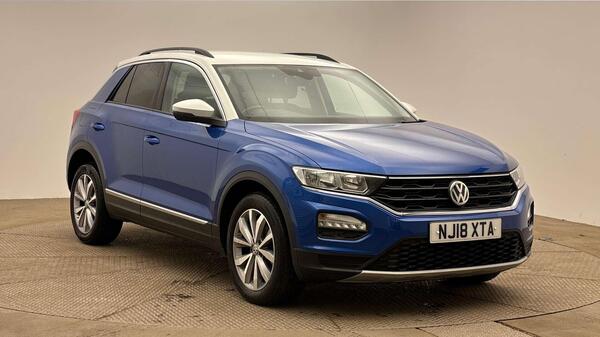
In a previous automotive age the VW Golf was arguably ‘peak car’ for its combination of right-sizing, build quality and classless appeal. That role has been assumed by the T-Roc, which is itself built on the same foundations as the Golf but with a more fashionable SUV stance. The original was still selling well nearly a decade after its launch and this new one hopes to keep the momentum going, with funkier looks, improved tech and more space. The full hybrid versions can’t come soon enough, though.
Reasons to buy:
- VW has its mojo back
- Feels well built
- Slick integration of tech4
Green Rating
True, the T-Roc as tested here doesn’t have much electrification but full hybrids are on the way and the Portuguese factory where it’s built is described by VW as a flagship site in its Zero Impact Factory programme. Since 2010 VW says the factory has reduced the environmental impact of each car built there by 60 per cent through a range of measures including geothermal power, improved efficiency, a new paintshop and digitally powered energy management. At a corporate level VW is one of the better brands for environmental accountability and its wide-ranging efforts on recycled materials, sustainable energy and training its staff.

Running costs for a Volkswagen T-Roc
“The T-Roc range is based around two mildly electrified petrol-engined options that do OK for real-world efficiency”
Room for improvement here for the fact at the time of writing the T-Roc range is based around two mildly electrified petrol-engined options that do OK for real-world efficiency but won’t score you the big wins on emissions-based taxation, whether you’re a private orcompany buyer. That improvement is coming in the shape of hybrids with a greater proportion of electrification for better results across the board, at which point we can reconsider this score.

Reliability of a Volkswagen T-Roc
“Volkswagen is the master of spreading the huge costs of developing cars and engine tech”
Volkswagen is the master of spreading the huge costs of developing cars and engine tech across the many and various brands in its portfolio. As such the investment in engineering is typically impressive, though recent models have suffered glitches with tech like infotainment. The system in this new T-Roc is a whole new generation, so hopefully those issues have been addressed.

Safety for a Volkswagen T-Roc
“Credit to the T-Roc for the fact it’s got all the latest tech like automatic braking with cyclist and pedestrian detection”
Safety technology and driver assistance tech has come on leaps and bounds in recent years but not all of it necessarily works as advertised, and can be more irritation than benefit. Credit to the T-Roc for the fact it’s got all the latest tech like automatic braking with cyclist and pedestrian detection, blind spot alerts and a neat ‘exit assist’ that triggers if you’re about to open your door into passing traffic and more for the fact that stuff we usually turn off like lane-keeping and speed limit alerts were left on for the duration of our drive.

How comfortable is the Volkswagen T-Roc
“Family buyers might be better served by the bigger but admittedly more expensive Tiguan”
A point deducted for the pointlessly hard Sports Suspension on the R-Line version we tested, the bone-shaking ride quality as pointless as it was annoying given this isn’t in the slightest a sporty car. We’ll look to test another example with the standard set-up or fancier adjustable suspension as soon as possible to see if does any better. This lack of refinement in our test car was doubly annoying for the fact comfort is otherwise very good in the T-Roc, or at least is for the driver and front seat passenger. It’s a little tighter in the back than we’d like, especially for a car that presents as quite sizeable from the outside, the dark interior of our test car not helping the sense of claustrophobia in the back. Call us old-fashioned but a Golf still makes better use of the available space and costs quite a bit less, while family buyers might be better served by the bigger but admittedly more expensive Tiguan.

Features of the Volkswagen T-Roc
“The base Life trim gets by with the basics but little in the way of surprise and delight”
We’re glad VW has faced up to the negative feedback from owners and reviewers for its fiddly ‘haptic’ touch-sensitive controls and reintroduced proper buttons on the steering wheel and even a prominent volume knob on the centre console. Pushing it then unlocks further functions, like swapping between driver modes. Bravo for all that, though we’re less keen on the ID-inspired gear selector on the steering column. It works OK from a functional perspective and frees up storage space, but it’s ugly and feels cheap to use. In terms of trim levels the base Life gets by with the basics but little in the way of surprise and delight, the Style having a much nicer interior by virtue of more tactile fleece fabric on the seats, a heated steering wheel, chrome trim on the switches, lumbar adjustment and three-zone climate control. As above we’d skip on the R-Line for the pointless Sports Suspension it adds along with the sharper looks. All T-Rocs meanwhile use versions of the same paired digital instrument cluster and large central screen. The menus and operating system are much-improved over earlier VWs while the graphics are sharper and easier to use than those in many of the Chinese rivals.

Power for a Volkswagen T-Roc
“This comes with two power outputs, both with a mild electric boost”
It shows the rate of progress that turbo technology pioneered by the Porsche 911 Turbo now features on a mainstream VW crossover, this helping the efficiency and power of the 1.5-litre petrol engine currently powering all T-Roc variants. This comes with two power outputs, both with a mild electric boost that both fills gaps in the throttle response and encourages engine-off coasting where possible. It operates very smoothly but can’t power the T-Roc on electric alone, this being something we’ll have to wait for with the full hybrids coming down the line. The ‘mild’ hybrid we chose was very smooth, refined and powerful enough to keep pace but not as fast as the R-Line bodykit and sporty looks suggested it should have been. Generally, though, the T-Roc is a smooth, refined and very pleasant car to drive.