Best of
The best long-serving van platforms still in use
We take a closer look at the old-but-gold van platforms still being used to make new vans for sale in the UK

Words by: Tom Roberts
Published on 22 January 2026 | 0 min read
“If it ain’t broke don’t fix it.” It’s a highly appropriate saying for vans and the platforms on which they’re built. Some platforms have been in service for over 20 years precisely because they do the job! But first thing’s first…
What is a van platform?
A van platform usually consists of the chassis on which a van is built, its framework, underpinnings and components. These days there are a lot of companies that share a platform, essentially using the same bits and pieces to create their own vans with mostly aesthetic upgrades and different badges to separate them. And some of them have been in service for a long time. The two biggest reasons a platform can stay in use for so long are:
Vans are not cars
Seems obvious, right? We see more new cars than vans being launched over long periods of time because vans are built for different reasons. Vans are not fashion or lifestyle purchases, they’re designed to be driven thousands of miles carrying equipment and people. They’re tools in a toolbox and are treated as such. They need to be tough, durable, cargo carriers that won’t need constant maintenance… it’s why you don’t often see the newest technology in van cabins, the preference will always be to include proven tech.
Making vans costs big money
Again, it seems obvious to say but making a new van platform costs manufacturers a lot of money. It’s why you see multiple brands platform sharing and essentially rebadging the same van as their own, because it costs less to do that than to make a completely new one. Plus, the longer a van platform has been in service, the more likely it is that design, manufacturing and tooling costs have already been paid for and continued production of the same platform is now very affordable. Those savings can then be passed to the people buying them resulting in lower van prices.
What are the oldest van platforms still in use?
With those two big reasons in mind, let’s take a closer look at the vans still being built on the oldest platforms.
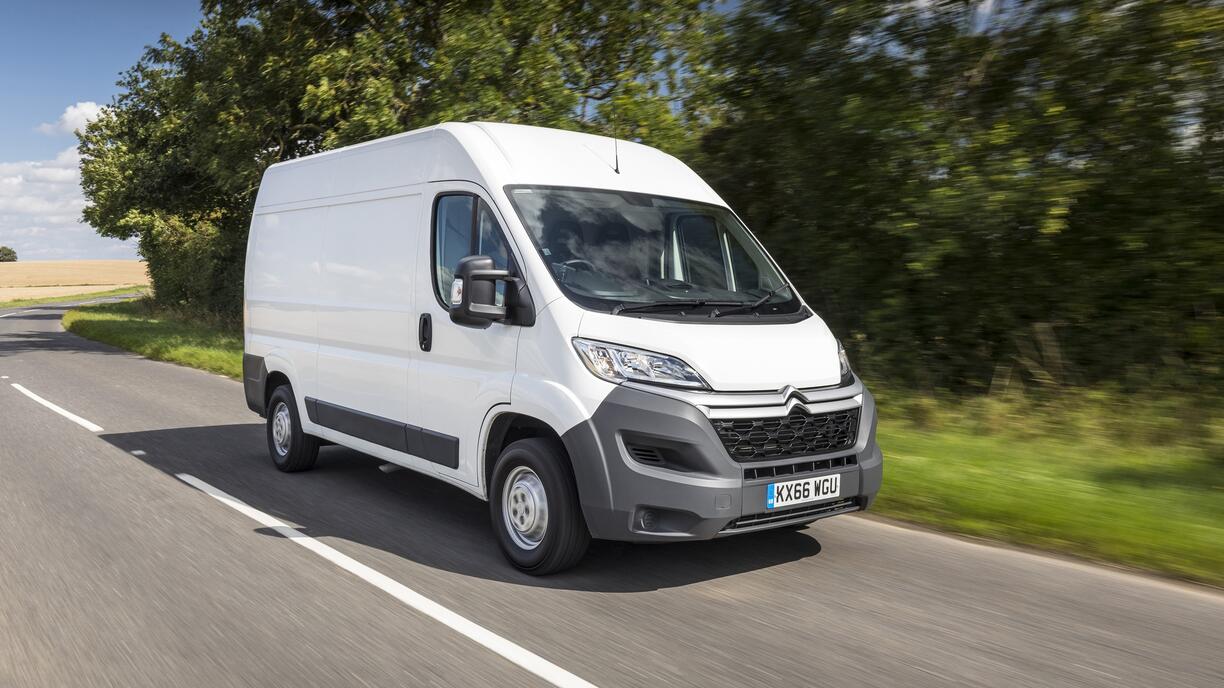
Fiat Ducato / Peugeot Boxer / Vauxhall Movano / Citroen Relay / Toyota Proace Max / Iveco eSuperJolly (2006 - )

The Vauxhall Movano, Fiat Ducato and Peugeot Boxer, Citroen Relay and Toyota Proace Max are all built on the same 20-year-old platform that’s still going strong. This current platform was first used for the third-generation Citroen Relay in 2006 before the other Stellantis and PSA Group companies adopted it for their large vans. It was facelifted in 2014, with these new models having horizontal headlights rather than the upright design of the original. The platform was converted to carry an electric powertrain allowing all brands using it to sell electric versions of their large vans. It has also been converted to fit a hydrogen fuel cell powertrain.
2024 saw a slew of technical upgrades and Toyota using the platform to add a large van (Proace Max) to its range. The latest news is Iveco confirming its eSuperJolly large electric van will also use the platform. So that makes six brands using the same 20-year-old platform for modern vans. If that doesn’t say something about the durability and resilience of this stalwart platform, I don’t know what does.
2024 saw a slew of technical upgrades and Toyota using the platform to add a large van (Proace Max) to its range. The latest news is Iveco confirming its eSuperJolly large electric van will also use the platform. So that makes six brands using the same 20-year-old platform for modern vans. If that doesn’t say something about the durability and resilience of this stalwart platform, I don’t know what does.


Renault Trafic / Nissan Primastar (2014 - )

Compared to the Stellantis large vans, using a platform that’s over a decade old makes the Renault Trafic and Nissan Primastar veritable spring chickens. Interestingly, the Trafic platform was also used by Vauxhall for its previous generation of Vivaro medium vans before that company joined Stellantis and started using their medium van platform instead.
In 2019, the Trafic was updated in a facelift, following in 2021 with another update and Nissan choosing the platform for its Primastar medium van. It is a dual powertrain platform capable of running diesel and electric systems. A new all-electric generation of Trafics are in development right now, but until they launch it’s likely this platform will stay in use for at least a few more years.
In 2019, the Trafic was updated in a facelift, following in 2021 with another update and Nissan choosing the platform for its Primastar medium van. It is a dual powertrain platform capable of running diesel and electric systems. A new all-electric generation of Trafics are in development right now, but until they launch it’s likely this platform will stay in use for at least a few more years.


Mercedes-Benz Vito (2014 - )

At around the same age as the Renault Trafic and Nissan Primastar’s platform is the one used by the Mercedes-Benz Vito. This third generation of Mercedes’ medium van came to market as the basis for both the V-Class passenger vehicle and Vito panel van.
The electric eVito came to market on this platform in 2017, although its 93-mile range and reduced payload was softly received. It has since been heavily updated with a far better range, new styling and a far more intuitive cabin environment. With a new Sprinter large van and V-Class on the way, it’s likely we’ll see a new version of the Vito making its debut in the coming years.
The electric eVito came to market on this platform in 2017, although its 93-mile range and reduced payload was softly received. It has since been heavily updated with a far better range, new styling and a far more intuitive cabin environment. With a new Sprinter large van and V-Class on the way, it’s likely we’ll see a new version of the Vito making its debut in the coming years.


Final thoughts
The examples above show that a good van platform can have an extended lifespan. The Stellantis large van platform is likely to stay in service for several more years, but the medium and small van platforms that the group uses is likely to be just as enduring. It’s also likely that the Renault Kangoo small van platform, which is used by Nissan and Mercedes-Benz as well, will hang around for a while. And what about the shared platforms used by Ford and Volkswagen on their vans and pick-up trucks? They’ve only just gone into service so are bound to be used for a long while to come.
The point is, just because something has been around for a while doesn’t mean it’s time to make something new. Upgrades and retrofitting can increase the lifespan of a van platform significantly, and as we said at the start, if it ain’t broke don’t fix it.
The point is, just because something has been around for a while doesn’t mean it’s time to make something new. Upgrades and retrofitting can increase the lifespan of a van platform significantly, and as we said at the start, if it ain’t broke don’t fix it.
Did you enjoy this article?
If you did just head to our vans content section and check out our huge range of reviews, news, guides and advice articles.