Which electric bike motor do I need?
Electric bike motors come in all shapes, sizes and power outputs, so we’ve put together this guide to explain which ones will suit different riders and why
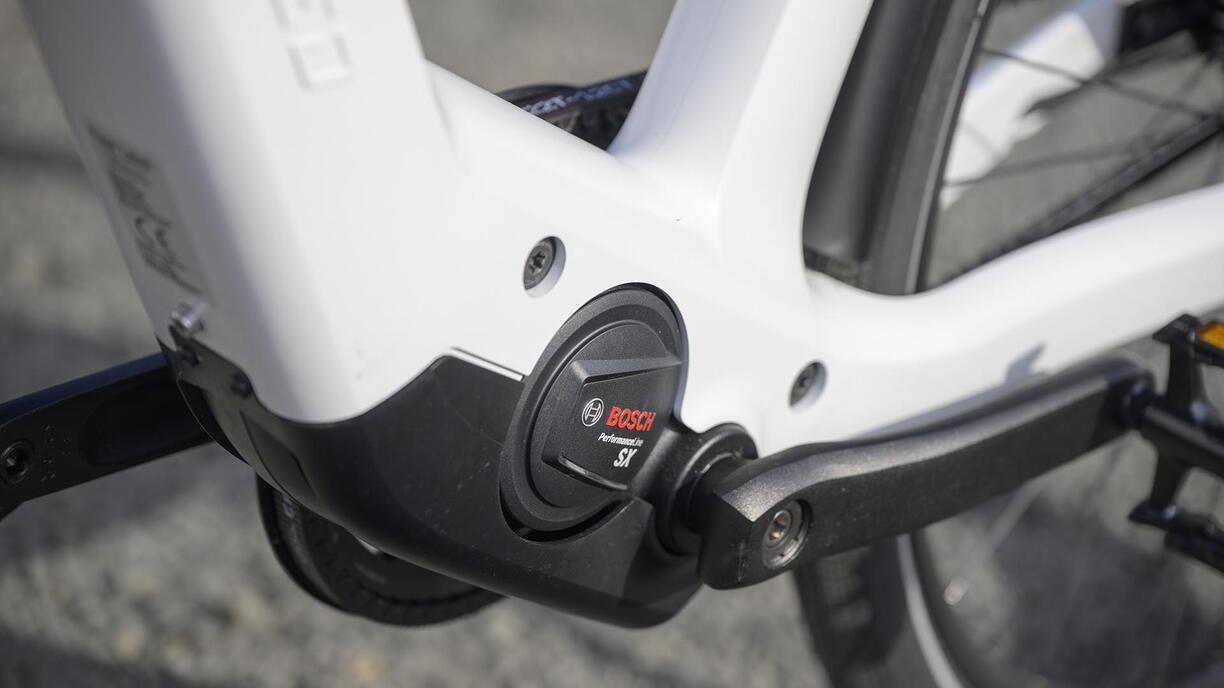

When comparing electric bikes, the motor is one of the biggest clues to how the bike will feel on the road, up a hill, or loaded with shopping and luggage. Two e-bikes can have similar batteries and price tags, but their motors can deliver power in very different ways.
To help you understand the different motors on offer, we’ve put together this guide which explains what torque and power mean, how the main motor types differ, and which popular e-bike motor brands and models suit different riders.

Torque, power and UK electric bike rules: what matters?
Torque, measured in Newton metres (Nm), is the force that helps an e-bike accelerate and climb. Higher torque is especially useful for steep hills, heavier riders, cargo bikes and stop-start city riding. Power, measured in watts (W), denotes how much work the motor can do. Many manufacturers quote both legal rated power and short-term peak power, so figures are not always directly comparable.
In the UK, electrically assisted pedal cycles are limited to 250W continuous rated assistance and must stop providing assistance at 15.5 mph. That means a higher peak wattage figure does not automatically make a bike “faster” on the road; instead, it usually affects how strongly the bike assists before it reaches the legal cut-off, especially while climbing or accelerating.

Hub motor or mid-drive motor?
Hub motors sit in the front or rear wheel. They are usually cheaper, quiet and low-maintenance, making them a good fit for flat commutes and budget-friendly city bikes. However, because they do not work through the bike’s gears, they can feel less efficient on long or steep climbs.
Mid-drive motors sit around the bottom bracket. They drive power through the drivetrain, which normally gives better hill-climbing, more balanced handling and a more natural pedalling feel. They are common on premium commuter bikes, electric mountain bikes, trekking bikes and cargo bikes, but can increase drivetrain wear due to the higher forces going through the bike’s components.

Electric bike motor comparison: brands, models, torque and power
The table below shows a set of popular electric bikes and their motor systems compared:
Brand / model | Motor type | Max torque | Quoted max / peak power | Best suited to |
Bosch Performance Line CX | Mid-drive | 85Nm on many versions; latest updates may quote up to 100–120Nm depending on generation and software | Up to around 600–750W peak, depending on generation and update | Premium commuting, hilly routes, trekking and e-mountain bikes |
Bosch Performance Line SX | Lightweight mid-drive | 55–60Nm | Up to around 400–600W peak depending on version and cadence | Lightweight e-road, gravel and light e-MTB riding |
Shimano EP801 / EP8 | Mid-drive | 85Nm | Up to around 500–600W peak depending on version | Mountain biking, gravel, trekking and riders who prefer a natural feel |
Shimano EP6 / E6100 / E5000 | Mid-drive | Typically 40–85Nm depending on model | Usually quoted around 250W rated, with lower peak output than EP801 | Everyday commuting, leisure riding and mid-range hybrid bikes |
Yamaha PW-X3 | Mid-drive | 85Nm | Often quoted at up to around 600W peak | Trail riding, climbing and riders who want a responsive feel |
Yamaha PWseries S2 / TE | Mid-drive | Typically 50–75Nm depending on model | Usually quoted around 250W rated with model-dependent peak output | Urban, trekking and general leisure e-bikes |
Brose Drive S Mag | Mid-drive | 90Nm | Often quoted at up to around 565–700W peak depending on tuning and bike brand | Premium e-MTBs and powerful, quiet assistance |
Specialized 2.2 / 3.1 Turbo systems | Brose-based mid-drive ecosystem | Typically around 90–111Nm depending on model | Often quoted at around 565–720W peak depending on bike and generation | Specialized Turbo Levo, mountain and high-performance trail bikes |
Bafang M510 / M560 | Mid-drive | Typically around 95Nm, depending on model | Often quoted at 500–750W peak or higher depending on market | Value-focused e-MTBs, powerful hybrids and some conversion-style builds |
TQ HPR50 | Lightweight mid-drive | 50Nm | Up to around 300W peak | Very quiet, lightweight road, gravel and light trail bikes |
TQ HPR60 | Lightweight mid-drive | 60Nm | Up to around 350W peak | Light e-MTBs and riders wanting more support without full-power weight |
Mahle X35+ / X20 | Rear hub motor | Typically around 40–55Nm depending on system | Generally 250W rated, with modest peak support | Lightweight road, urban and stealthy commuter e-bikes |
Generic rear hub motors | Rear hub | Often around 30–50Nm | Usually 250W rated in UK/EU road-legal form | Budget commuting, flat routes and low-maintenance riding |

Which motor do I need for my riding?
If you’re after one for flat commuting and short urban trips, a hub motor with around 30–50Nm of torque is usually enough for flat town riding, station runs and shorter commutes. It will keep the bike affordable and simple, and you may not need the extra cost of a premium mid-drive system.
If you’re a heavier rider, carry lots of cargo or ride up plenty of hills, look for a mid-drive motor with at least 60Nm of torque, and consider 85Nm or more if you regularly tackle steep gradients, carry children or luggage, or want confident acceleration from junctions. Bosch Performance Line CX, Shimano EP801, Yamaha PW-X3 and Brose-based systems are common choices in this category.
For technical climbs and off-road riding, a full-power mid-drive motor in the 85–90Nm range remains a strong benchmark. Riders who want maximum support may look at newer full-fat systems, while lighter trail riders may prefer Bosch SX or TQ systems for a more natural, lower-weight ride.
For road, gravel and lightweight e-bikes lightweight systems such as TQ HPR50, Fazua Ride 60, Bosch Performance Line SX or Mahle hub motors can make the bike feel closer to a normal bicycle. They generally offer less torque than full-power e-MTB motors, but the lighter weight can make the bike easier to ride without assistance.

Don’t buy on torque alone
Torque is important, but it is only part of the story. Software tuning, sensor quality, battery size, bike weight, gearing, service support and warranty coverage all affect the ownership experience. A smooth 60Nm motor on a light bike can feel better than a higher-torque system on a heavy, poorly geared one.
For most commuters, a modest hub motor or lower-torque mid-drive will be enough. If you live somewhere hilly, carry loads, or want an e-bike that feels strong across more terrain, prioritise a mid-drive motor with 60–85Nm of torque or more. For performance mountain biking, Bosch, Shimano, Yamaha, Brose/Specialized and Bafang all offer powerful options, while Fazua, TQ, Bosch SX and Mahle are better suited to riders who value low weight and a natural ride feel.