Guide
Top 10 riding tips for spring!
Spring into action with our top tips for getting the most out of your first ride of the season!
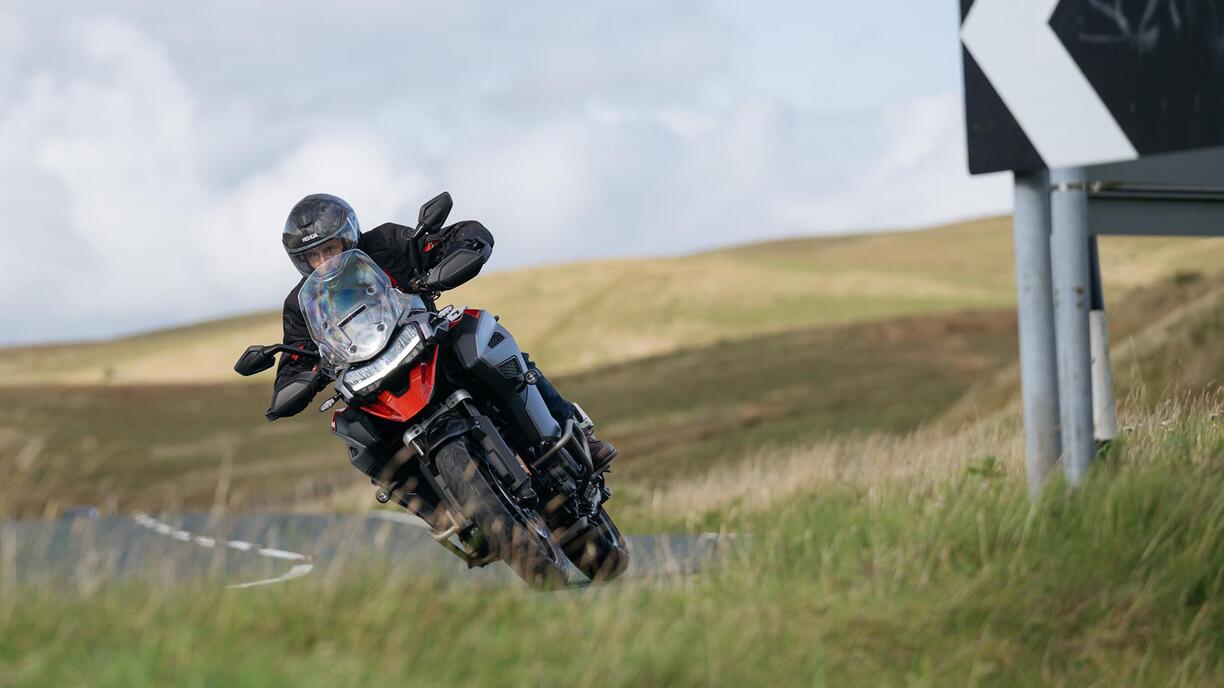
“Spring is sprung”, or something like that. Either way, with the rapid approach of warmer, drier weather and longer days it’s only natural to think about getting back on the road if bike and rider have had a winter lie-up.
But what should you check before you do? Especially if bike and rider have been sitting idle and both are perhaps are a little rusty. So, having checked your machine’s paperwork, servicing and MoT is all up to date, given your bike a quick once-over for damage, loose items or dirt and dust, what else do you need to check on your bike – and yourself - to ensure you’re safe to ride? Here’s our essential checklist!
But what should you check before you do? Especially if bike and rider have been sitting idle and both are perhaps are a little rusty. So, having checked your machine’s paperwork, servicing and MoT is all up to date, given your bike a quick once-over for damage, loose items or dirt and dust, what else do you need to check on your bike – and yourself - to ensure you’re safe to ride? Here’s our essential checklist!
1 – Check your tyres!
These should be the first thing to look at. Not only are they your vital contact point with the road but over months of non-use they can deflate or degrade. Ideally, you should have over-inflated them to avoid flat spots during winter storage. Now’s the time to adjust to normal road pressures and, while you’re at it, inspect for cracking, bulges and other damage while also making sure the tread depth is still within legal limits.

2 – Oily bits
Owners of shaft-drive BMWs or Guzzis can skip this one but an otherwise often-neglected area. Chains and sprockets are notorious for corrosion when parked up over winter, especially if not cleaned thoroughly for road salt before being laid up. So, inspect thoroughly, check for any ‘tight links’, clean if necessary, re-lubricate, adjust tension as required and check for any worn or hooked teeth on sprockets. Change if necessary.

3 – Fluids and levels
Not just engine oil, radiator coolant and brake fluid levels – which you should top up if needed – but fuel, too. Modern petrol notoriously goes ‘off’ if stood for a few months, so hopefully you did the sensible thing and ran the tank dry before parking up for the winter. However much is in there it’s time to pop down the filling station with a five-litre can to chuck in the tank before that first turn of the key to hopefully dilute any impurities, clean the system out and prevent poor starting.

4 – Brakes and suspension
Ensure your wheels and brakes turn freely and the brakes aren’t dragging or binding. Again, seizure is not uncommon on bikes that have been stood for a while. If they are, free up and lubricate as necessary. Also check your suspension. Make sure both forks and rear shock(s) compress/rebound correctly. Fork seals can fail if a bike has been sitting for a long period, too. Wipe a tissue around the stanchion and seal to look for any weeping oil. Do the same at the rear.

5 – Fully charged?
Is the battery in good condition? A healthy power cell should have 12.5V or upwards. Anything less will require charging, or perhaps even a new battery. Does your bike start and idle OK? Do all the lights work? Check them all, including front, rear, brake light, indicators, instruments and warning bulps. Is the horn working? Oh, and do all the control levers, throttle etc work correctly and move smoothly? If not, again, adjust and lubricate as required.

6 – Check the nut that holds the bars…
Take it easy. You’re rusty, so start with short, familiar trips. Don’t go on a 250-mile adventure first time out. Instead, build up in smaller chunks. It’ll also give you a chance to finesse your seasonal wardrobe in terms of warmth, layers, flexibility and so on. Oh, and while you’re at it, remind yourself to ride defensively in your first few goes out. Reboot your observation skills, ensure you’re seen, assume the worst, give yourself more than enough stopping distance and so on…

7 – Bag some ‘me’ time
Do yourself a favour and ride alone for your first few outings until your awareness and observation skills get back up to speed. Riding in groups is great but can be very distracting, and trouble can develop if everyone’s not on their A-game. Once you resume group rides don’t put pressure on yourself to keep up with faster riders, or those who’ve been riding all winter.

8 – Easy does it
Remind yourself of your roads – and the other people on them. While we’ve said sticking to familiar routes is a good idea at the start be aware they may have changed, with new surfaces, revised junction, speed cameras and the inevitable post-winter potholes. But if you stick to what you know the more familiar, the better given you’ll be able to relax into rebooting your riding skills. Once more comfortable try some short-ish ride-outs on some unfamiliar roads to sharpern your ‘biking brain’ in terms of observation, navigation and positioning skills and so on.

9 – Check for rust
The cliche ‘The older we get, the better we were’ rings true when it comes to mental sharpness. Yes, you might have been on top of your game before your winter break but you won’t be after, regardless of your ability. Your observation and hazard perception will have been dulled, your familiarity with your bike weakened and your stamina will need building up again. One advance riding technique you could try is to commentating on your ride as you go along - it’ll aid concentration, hazard perception and focus. And nobody will be able to hear you over the engine so no need of any embarrassment at talking to yourself!

10 – Back to school?
Consider professional help. There are courses or refreshers you can take to assess your riding after a break. Some schools offer very affordable refresher course, some with free assessments to identify what level of training you might benefit from. After a long time off the bike, it’s easy to make little mistakes which over time can compound and become habits. So, nip them in the bud before they become a problem by booking a riding assessment and you could even learn something that’ll save your life. As we found ourselves the IAM Roadsmart track tuition sessions are a good idea as well given the focus is on learning road skills in a controlled environment rather than high-speed heroics. Suffice to say, you can leave your knee sliders at home for that one!
