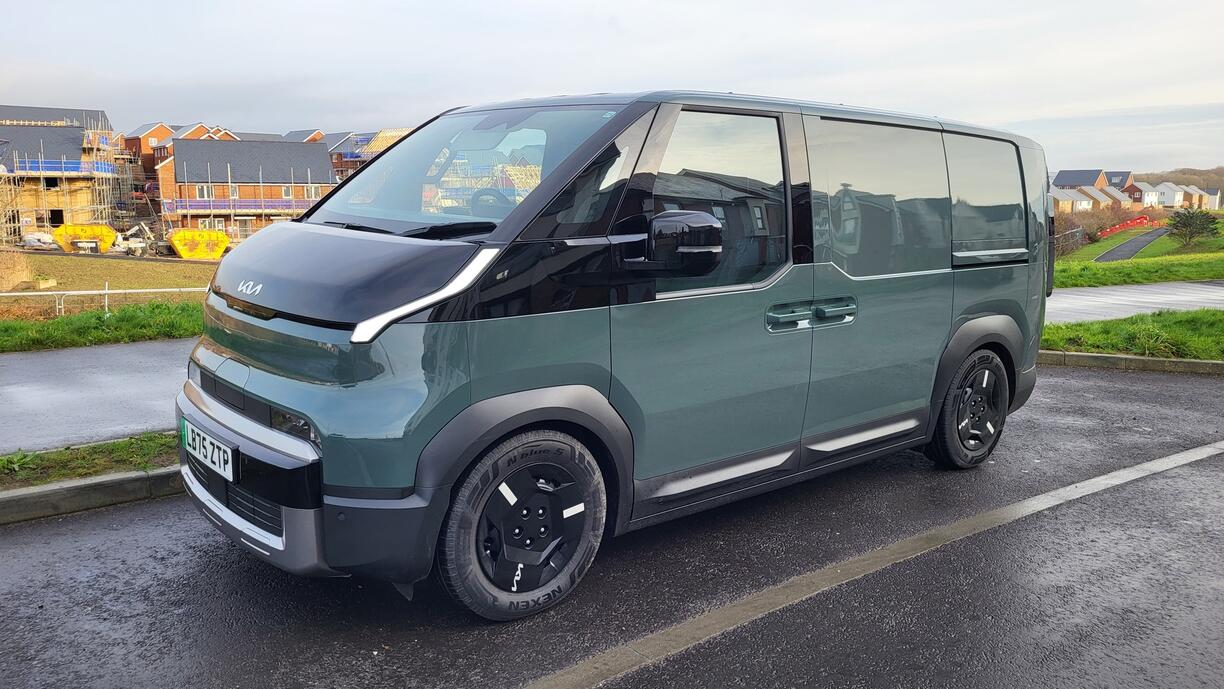
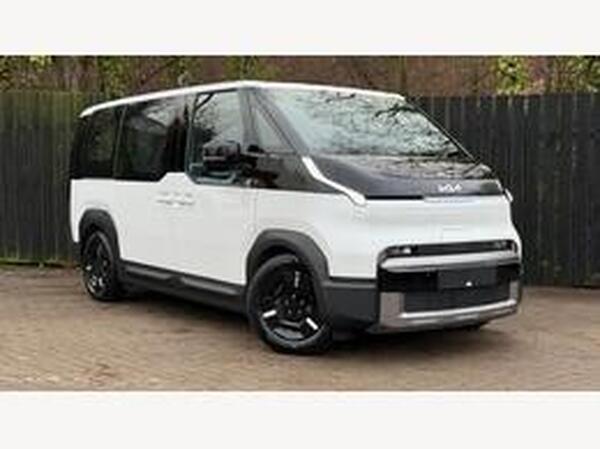
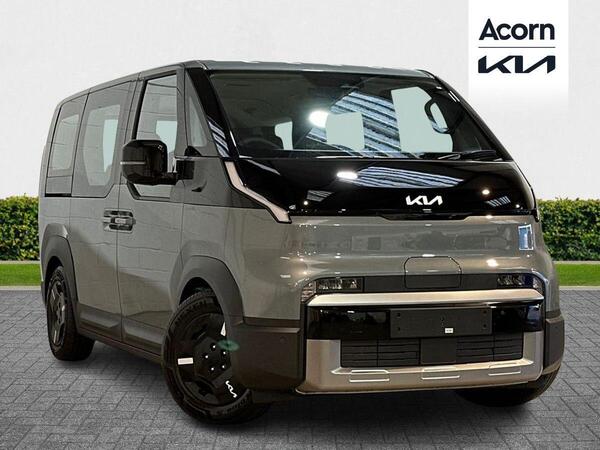
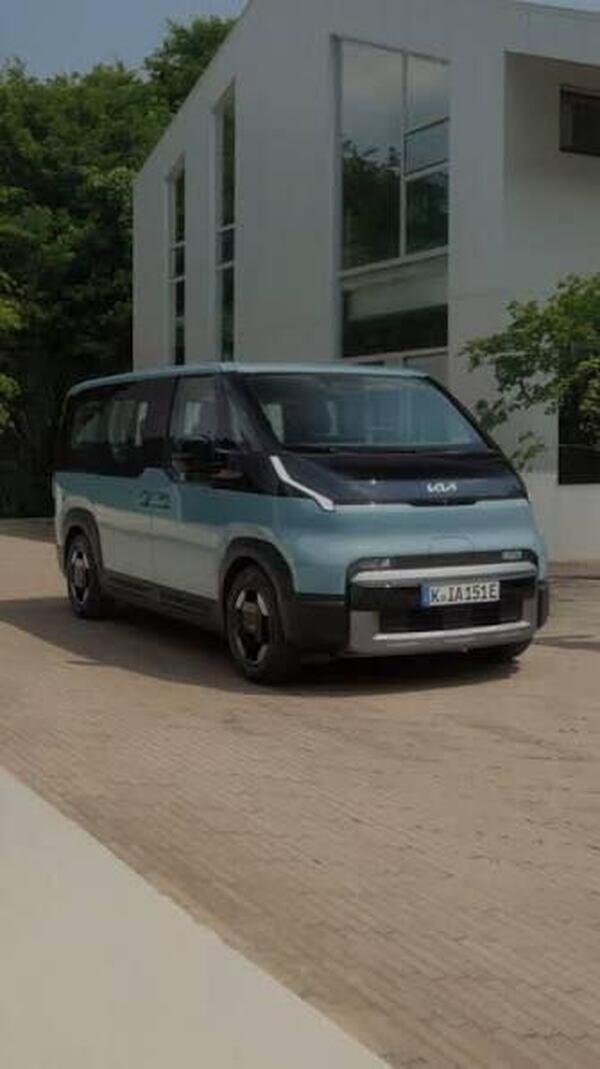
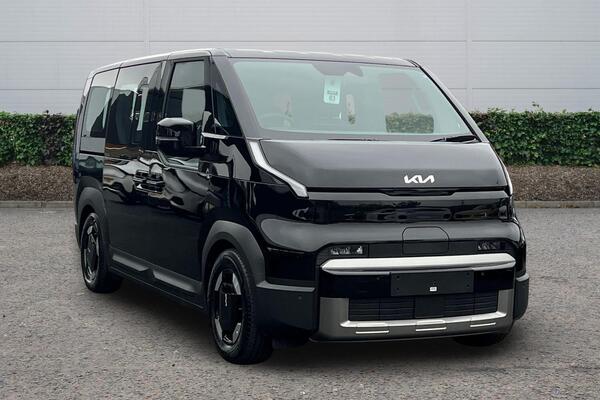
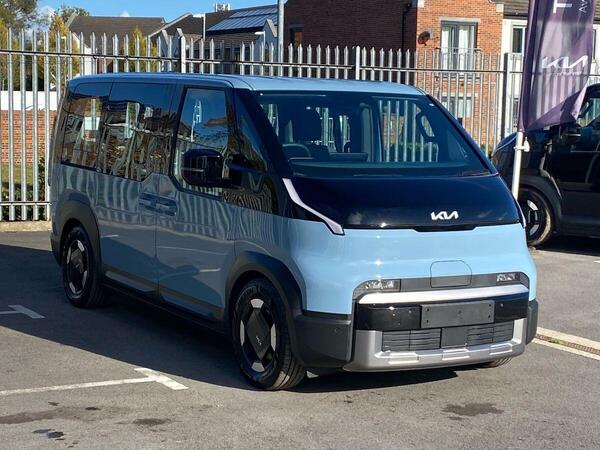
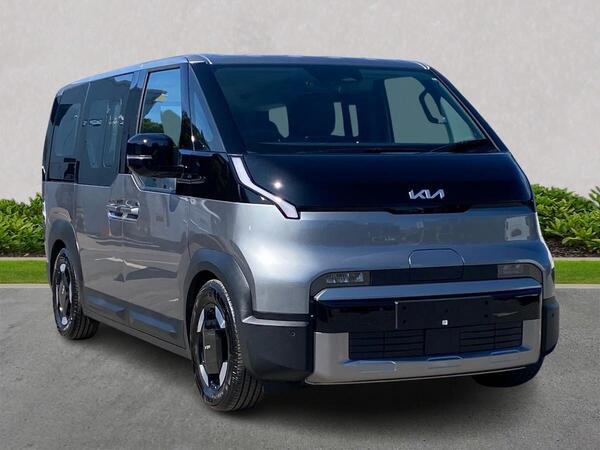
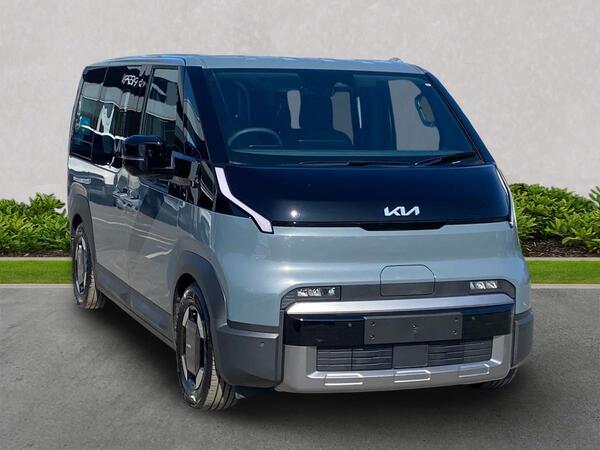
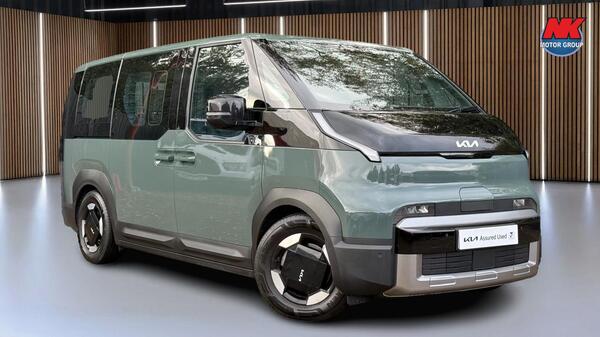
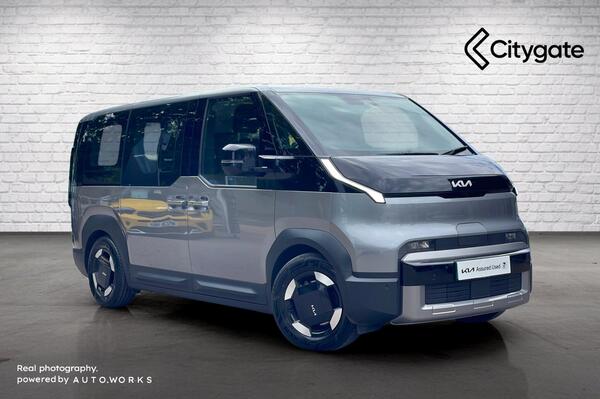
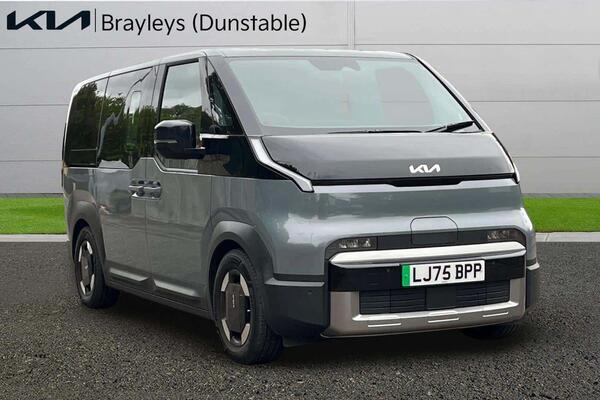
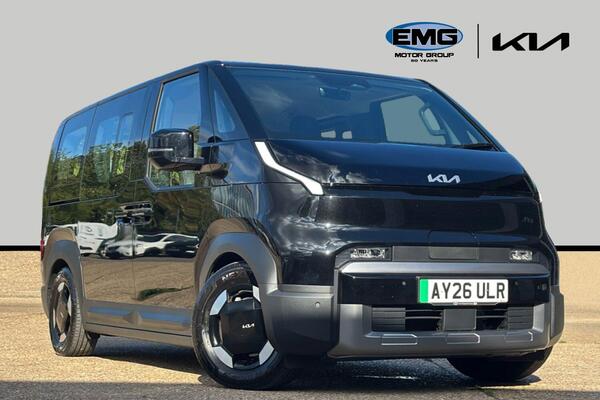
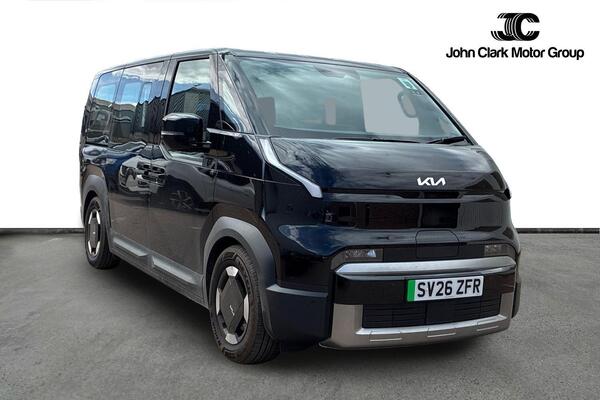
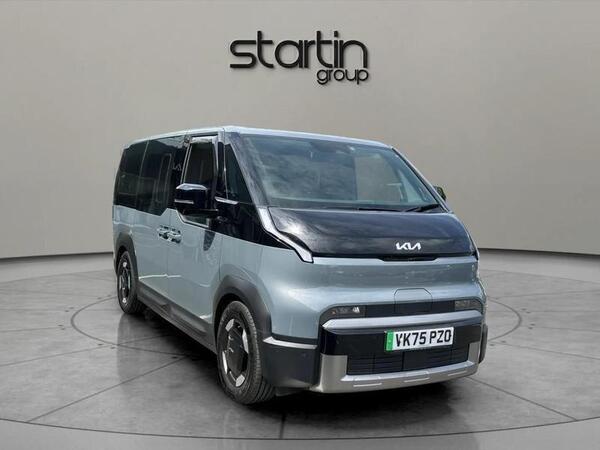
At some point in 2022, Kia shook itself awake one morning and decided it would turn its experience of building solid electric cars to creating a van. The result is the Kia PV5 Cargo, a near-perfect small electric van priced so competitively it undercuts some diesel vans. There are some compromises and quirks to consider, but aren’t there always? The driving position is high, yet visibility is slightly hampered at the peripherals by a double A pillar. The load space is practical, but the rear entry way’s top latch housing is a head-bump risk. The maximum range is nearly 260 miles, but if you don’t choose the biggest battery size then you’ll only get 180 miles. That said, the tech and equipment levels across all trims is high, with features like reversing cameras and parking sensors included at the entry level. The cabin is spacious in all the right places and snug where it counts, providing a comfortable place to spend time while you enjoy the smooth drive. The safety specification is also comprehensive allowing the vehicle to boast a five-star Euro NCAP safety rating alongside its seven-year/100,000-mile warranty. Finally, it’s a striking vehicle sporting a futuristic look and feel with sweeping lines, interesting headlight design and bold wheels. It will be exciting to see how Kia refines the PV5 Cargo over the coming years, but based on everything it offers right now it deserves to sell well and is a fantastic debut van. We’re pretty sure it’s got a few of the established van brands nervously looking over their shoulders.
The model we tested was the long-range three-door L2/H1 variant providing 4.4 cubic metres of load volume and a maximum payload capacity of up to 690 kg. If you dropped your battery size to the standard-range battery you’d get up to 790 kg of payload, although your range would drop from 258 to 184 miles. The load space is pretty practical, with a single side door on the passenger side and two 50/50 split rear doors, and tie-down points and cargo lights lining the floor and ceiling. A second side door can be added to all trim levels for an extra cost, but at £355 (ex VAT) it’s not a bank breaking addition for the practicality it provides. Load length is 2.25 metres and load width is 1.56 metres, but width goes down to 1.33 metres between the wheelarches... and just below the arches is a second step slimming that width at the floor even further to just 92 centimetres. This leads to an odd situation where you can have a pallet width ways at the bulkhead, but another can only go sideways at the rear doors. Maximum load height sits at 1.52 metres. Sitting low to the ground, the PV5 Cargo’s load lip is just 41.9 centimetres making loading the vehicle with bits and pieces an absolute doddle. However, getting pallets in will have to be done from the rear doors and you will need a forklift with long forks to make sure the first pallet gets right in there. So, all that adds up to a vehicle offering slightly more room in the back than the Volkswagen ID.Buzz Cargo... but there are some quirks to be aware of. As we’ve touched on, the side door isn’t wide enough to load a pallet through so you will need a long-fork forklift. Also, the latch housing at the top of the rear doors hangs down by about 10 centimetres in the centre of the aperture, so watch your head. However, these are minor practicality quibbles on a decently-sized and well-priced small electric van.
Expert rating: 3/5
Interior
The PV5 Cargo’s cabin is very nicely laid out, with cubbies and storage, useful tech, and hard-wearing materials and fabrics. At this stage, it’s only available as a two-seater van, and while a bench seat would be nice we just don’t know where Kia will find the space. With just two seats the PV5 Cargo’s interior feels spacious enough and snug in all the right places… a third seat would cramp things up considerably. At the well-equipped Essential trim level you get everything from air conditioning to full connectivity to the infotainment screen, a leather steering wheel and more. Stepping up to the Plus trim level simply adds a wireless phone charger, and heated front seats and a heated steering wheel. Visibility is fine through the front windscreen, but the double A pillar is awkward to see around and the glass window set into it is too small to help. The side windows are also set slightly forward from the B pillar obscuring blind spots and is probably the reason why the PV5 Cargo’s door mirrors are so big. Driving position was difficult to get right to help with visibility, but the seat always felt comfortable even in the entry-level trim. Other than that, behind the steering wheel is a seven-inch driver information display and a 12.9-inch infotainment screen sits in the middle of the dashboard. This big screen is crisp and clear, providing screen mirroring on Android Auto and Apple CarPlay, and we found it very easy to navigate through. Again, you can see there are quibbles, but we have to go back to how well-priced the PV5 Cargo is and how well-equipped it is as standard.
Expert rating: 4/5
Running costs
The PV5 Cargo can be equipped with a choice of two batteries – a 51.5 kWh pack providing 184 miles of range, or a 71.2 kWh pack providing just under 260 miles. All are rapid-charge capable, with charging times from 10-80 percent sitting around the 30-minute mark. We’d opt for the larger battery, simply because it allows for more travel between charges. Of course, if you charge at home you’ll do so at slower speeds but at a lower cost dictated by your home energy tariff. Out in the world, your charging costs will be higher because that’s how it goes on public chargers. Finally, when you consider that the OTR price (including the plug-in van grand or ‘PIVG’) for the model we tested was just over £32K, if you get it on a good finance or lease deal you’ll be looking at some competitive monthly payments and probably be convinced right then and there.
Expert rating: 4/5
Reliability
The PV5 Cargo sports a seven-year/100,000-mile warranty, showing the confidence Kia has in its new entry to the van market. Servicing is required every 24 months or every 20,000 miles, which is pretty standard for vans. Kia already has a good reputation for building reliable electric cars, so it’s a good bet the PV5 will prove its reliability and maintain that reputation. The warranty length is also very reassuring, especially if you like taking a van up on a longer lease or finance agreement.
Expert rating: 4/5
Performance
The PV5 Cargo absolutely performs as a working vehicle. The model we tested felt assured and confident to drive, and is as accessible and practical as a small electric van can be in the load space. We’d definitely recommend opting for the larger battery pack, because despite eating into the payload capacity it’s the best way to ensure you don’t have to charge as often between trips. It won’t work for businesses needing to haul larger and heavier items, and there are quibbles, but there are plenty of businesses who need small and competent load carriers to help them make the switch to electric vans.
Expert rating: 4/5
Ride and handling
We tested our van on the roads around Hastings, taking in tight country roads and motorways with ease. There’s some roll in tighter fast corners when unladen – as we discovered on our first drive of the PV5 Cargo in Oslo this year – but the 350 kg dummy load minimised this significantly. Acceleration was controlled and slightly more exciting than other small electrics provide, with overtaking slow-moving farm traffic being a nice way to test its guts. It passed the test simply because it never made us feel nervous. The wishbone suspension on the front wheels also proved itself on a pothole-covered country road we ended up heading down… sure it made us bounce about, but there was no jolting or uncomfortable lurching. Kia aims to sell around 3,000 of these PV5 Cargos in 2026, and based on our test drives we’d say that if they can get customers into them ASAP this is very achievable.
Expert rating: 4/5
Safety
From entry-level up, the PV5 Cargo is very well equipped with safety tech… no wonder it’s got a five-star Euro NCAP safety rating. You get front and rear parking sensors, a reverse parking camera, collision detection and avoidance, driving assist, lane keep assist, cruise control, speed limiter, various drive modes, an alarm system and more. Stepping up to the Plus trim level adds rear cross traffic collision protection, blind spot assist, and a safe exit warning system. It’s so good to see a van so well equipped with safety tech for such a good price… we keep coming back to pricing, don’t we?
Expert rating: 5/5
Equipment
The PV5 is very well equipped from its standard Essential trim level up that the price looks even better with everything we noticed. Additional things we haven’t yet mentioned include the 16-inch steel wheels, LED headlights, DRLs, rear lights and rear fog lights with auto headlight control, electrically adjustable and heated door mirrors, rain sensing front wipers, a leather steering wheel covered in controls, one-touch electric front windows, air con, start/stop button with smart entry system, LED cabin and cargo lights, two front USB-C ports, connection to the eCall emergency system, and over-the-air updates. Stepping up to the Plus trim adds electrically folding door mirrors, heated front seats and steering wheel, a three-pin power socket in cargo area, Vehicle-to-Load (V2L) capability and a wireless mobile phone charger in the centre console. It’s a packed list with so much available from entry level. Tremendous work from Kia who seem to understand that hiding useful options behind pay walls is not right.
Expert rating: 5/5
Why buy?
You’ll buy the Kia PV5 Cargo because you want to make the switch to electric for around the same money you’d spend buying an equivalent-sized diesel van. Quirks and quibbles aside, this van is likely to garner interest because it’s something genuinely new in a marketplace filled with rebadged vans. Most impressive is that it can back up this interest with decent practicality, high tech and equipment levels, a solid maximum range, and excellent pricing. Beyond that, it’ll come down to personal taste on whether you like the look and feel in the cabin. We’d urge you to book a test drive ASAP.