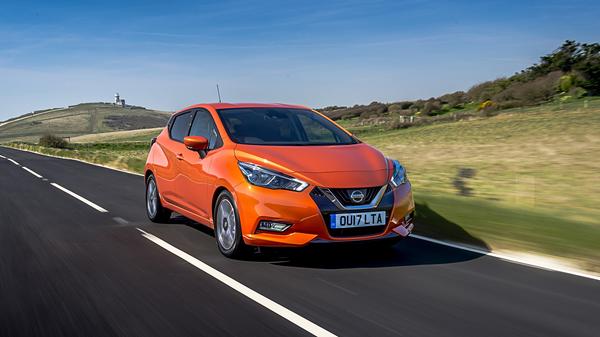
The new Nissan Juke is the third ‘crossover’ model in the Japanese company’s range. Size-wise it sits in its own niche between traditional superminis such as the Ford Fiesta and small family cars like the Volkswagen Golf.

However, Nissan is hoping to lure potential Mini and Audi A1 customers with its flamboyant design and greater practicality countering the lack of premium badge they display on their noses. And it’s the Juke’s styling that will win it sales.

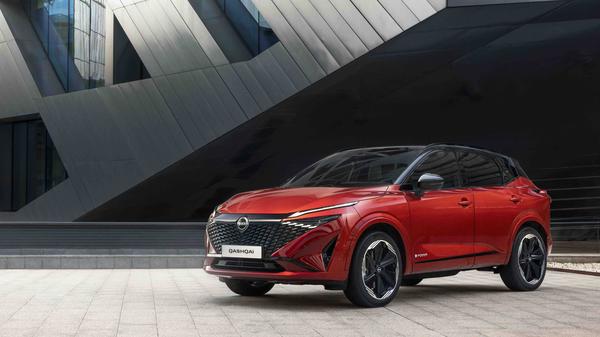
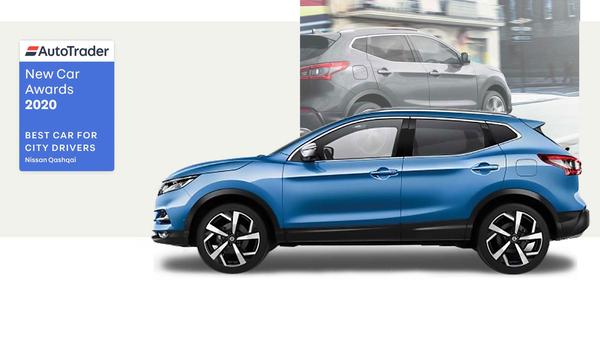
The Nissan Qashqai has proved a runaway success by playing the same hand in the size class above. Will the same formula lure smaller car buyers into Nissan dealers with such power? Quite possibly, judged on first impressions.

SUV-meets-coupe
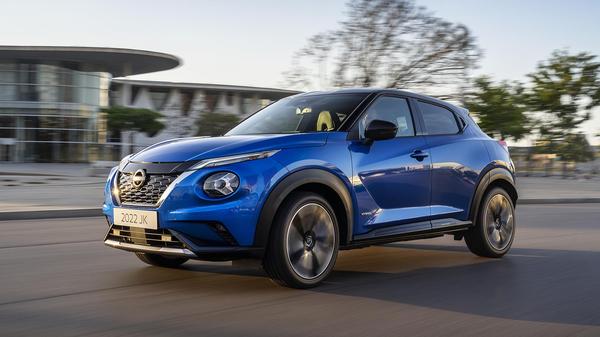
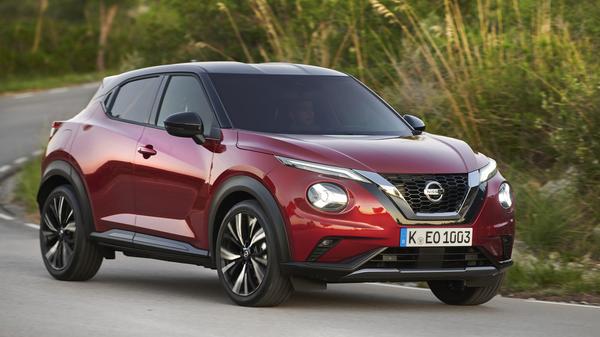
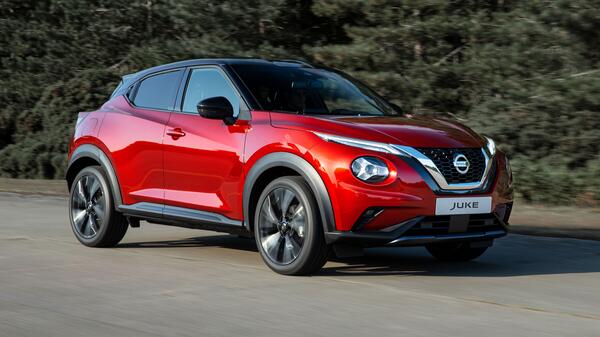
It’s difficult to get a sense of the Juke’s size in isolation but amongst traffic it certainly feels bigger than a supermini. It looks it too with its high-set headlamps, raised suspension and wildly exaggerated wheel arches.

Thankfully it falls some way short of being obnoxiously aggressive despite its pumped-up lower body. It may be alien in appearance, but it comes in peace.

From its wheels to its waistline, it’s SUV-like but its upper half is altogether more rakish. The shallow window line, tapering roof line and broad shoulders share a little DNA with the company’s 370Z and GTR coupes.

Those near-horizontal headlamps are handily reference the corners of the car in tight manoeuvres – its high driving position, relatively width and shallow windows mean it doesn’t feel anywhere near as handy at nipping through city streets as a Mini, for example.

What Mini can’t offer – at least until the Countryman is launched – is the Juke’s five-door practicality, rear seat space and luggage capacity.

Nissan Juke gallery:

Underwhelming interior
Its interior design falls short of the dramatic exterior. The dashboard, while perfectly acceptable, is disappointingly conventional, especially in a class where the Mini, Audi A1 and even the Ford Fiesta are as distinctive inside as out.

The painted console between the front seats – supposedly inspired by the fuel tank of a motorbike – is a token effort to inject some interest. The fact that none of the three paint finishes used in the interior match is a small niggle but one which typifies the general lack of attention to detail that gives its rivals far superior perceived quality.

The Nissan Dynamic Control system – standard on all but base Visia trim – is also unresolved. Its single, colour screen can display either climate control settings or, with the press of a button, three different driving modes: Eco, Normal and Sport.

Nissan admits that the display screen sits way too low in the centre console and in practice it’s impossible to keep an eye on the graphics. Thankfully the information displayed – ‘Boost’ in Sport mode, ‘Torque’ in Normal and ‘Eco’ in err, Eco – is of very limited use anyway.

It’s not all bad news however, as there’s plenty of space for this class of car both front and rear. Taller rear seat passengers might find the sloping roofline a hindrance but it’s not as pronounced inside as it looks from the outside. Boot space is also reasonable with a useful extra compartment under its false floor.

Grown-up on the road
On the road the Juke is well resolved on the whole. Its steering is a little numb but its feels more agile than its height would suggest.

It’s not as neat as a Mini or Fiesta when changing direction but this isn’t really a car to be driven flat-out. It’s much better to relax a little and enjoy the overall refinement.

It rides reasonably but a little more suppleness would be welcome over broken city streets when it can feel stiff-legged.

We tried the 1.5-litre dCi diesel and turbocharged 1.6-litre DiG-T petrol engines. The former will make up a large chunk of Juke sales while the latter, with 187bhp, is aimed at those looking for hot-hatch performance.

The diesel does a great job at hauling the 1329kg Juke around. Its small capacity is only evident at very low revs, but once the turbo wakes up it’s more than willing. It’s not the most refined of units at tickover but settles down on the move. Its 0-62mph time of 11.2 seconds is reasonable although the Juke’s weight and below average aerodynamics mean that fuel consumption is some way behind its rivals at 46mpg combined. CO2 emission are also above average at 134g/km.

Those expecting Mini Cooper S levels of fun from the 1.6-litre turbo petrol may be a little disappointed. Its 0-62mph time of eight seconds sounds reasonable but in reality it never feels as though it’s packing 187bhp. It also sounds rather whiney at higher revs, a shame considering the higher reaches of the rev counter need to be explored to get the most out of it.

We’re left with the distinct impression the Juke’s dynamics have been compromised in terms of ride, handling and performance by its chunky looks. It’s undeniably heavier, less aerodynamic and with a higher centre of gravity than is ideal.

The non-turbo 1.6-litre petrol is expected to be the best seller in the UK but was unavailable to test.

Tempting package
The Juke is a car that will sell on its looks alone and rightly so – its styling is as well-resolved as it is daringly original.

That it drives reasonably well will only help Nissan to achieve the sales figures it wants. Its extra practicality and competitive pricing – from £12,795 – against more ‘premium’ rivals are also bound to win it friends.

But we can’t help feeling disappointing it’s not a little clever inside or as much fun to drive as it is to look at. In an age where efficiency and low CO2 emissions really count, its weight and poor aerodynamics for the sake of its looks alone seems a little remiss.

By Owen Ready

Key facts:
Price range: £12,795 – £19,995
CO2 emissions: 134-175 g/km
Power: 108-187 bhp
Trim levels: Visia, Acenta, Tekna
Date tested: July 2010