Choosing the right carThe huge choice of cars available can be confusing. By deciding what you need from a car, and your budget, choosing the right car for you should be straightforward.

Spend a few minutes jotting down what you need from a car – it can help narrow your choices from dozens to a small handful. Good questions to ask include:

What’s my budget?

When setting your budget you should consider the cost of a new car as well as the on-going costs, such as fuel and maintenance. Speak to your dealer to find out how much servicing costs, and shop around at independent garages to get the best price.

Check how much value the car will lose over time – take a look at adverts for older versions of the car you’re looking to buy as a rough indicator.

How Auto Trader can help: Car loans and finance

Can I afford the fuel?

As a rule, a car which uses less fuel is preferable to one that drinks fuel. The most modern economical cars can cover more than 70 miles per gallon, and although the majority of these have diesel engines, small petrol engines can run them close.

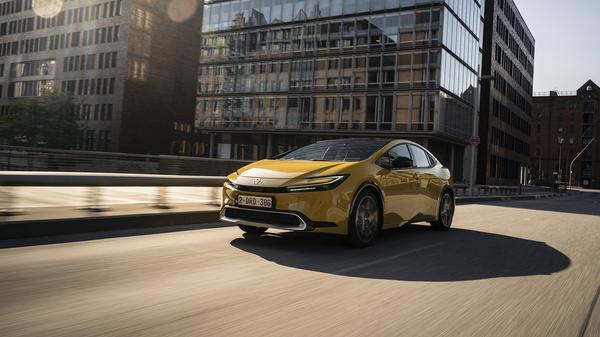
Some cars, like the Volkswagen Polo Bluemotion have been specially tuned to deliver good fuel economy, and part petrol-part electric hybrids like the Toyota Prius are getting more economical all the time.

How Auto Trader can help: Car reviews

Can I afford the road tax?

Since March 1, 2001, road tax has been based on how much carbon dioxide (CO2) a car emits. There are 13 tax bands from A to M which group emission and each has a different cost. Generally, the more CO2 a car emits, the more it will cost to tax.

New car buyers will also have to consider a higher first year rate of tax, which is called showroom tax.

How Auto Trader can help: Car reviews

What will the car be used for?

If the car is for everyday use you may want something comfortable and relaxing to drive, with plenty of comfort-improving extras like air conditioning and a good stereo.

Things like sports suspension and big alloy wheels might look good on paper, but can irritate on a daily commute. If, however, the car is just for fun then this might be just what you want.

How Auto Trader can help: Car reviews

How many passengers?

Extra space can be a waste, with bigger cars often costing more to run than smaller ones, so think about who you’ll have in the car.

For adults with occasional passengers, a city car like a Fiat 500 or a supermini like a Ford Fiesta could be just right. A Volkswagen Golf-sized hatchback or family saloon like the Ford Mondeo is fine for four or five.

Small MPVs, also called people carriers, and most 4×4s also seat five, but many such as the Vauxhall Zafira MPV and Land Rover Discovery 4×4 can seat seven in comfort.

How Auto Trader can help: Car reviews

Short trips or long journeys?

If you are buying a car for short journeys it’s probably best to buy a model with a small petrol engine – they’re generally cheaper to buy than cars with a diesel engine – and are increasingly economical.

For frequent long trips and motorway driving, the extra cost of a diesel makes sense, as the extra fuel economy will fund the additional outlay in the long run. Low-powered cars often use more fuel at motorway speeds than bigger, higher-powered cars as their small engines need to work much harder.

How Auto Trader can help: Car reviews

Do I need a big boot?

While a small city car usually has just enough space in its boot for shopping bags, a large estate car can take you and your passengers on holiday or accommodate a few pets. It’s worth making sure how much space a car has with its rear seats in place, and folded down for more luggage room.

How Auto Trader can help:
Car reviews

Does it need to perform a specific task, like towing?

If you need to carry out specific tasks, make sure the car is up to the job. If you tow a trailer, check the official maximum trailer weight, which must never be exceeded. If you’re heading off road, make sure the car has adequate ground clearance and suitable tyres.

How Auto Trader can help:
Car reviews

The huge choice of cars available can be confusing. By deciding what you need from a car, and your budget, choosing the right car for you should be straightforward.

Spend a few minutes jotting down what you need from a car – it can help narrow your choices from dozens to a small handful. Good questions to ask include:

What’s my budget?

When setting your budget you should consider the cost of a new car as well as the on-going costs, such as fuel and maintenance.

Check how much value the car will lose over time – take a look at adverts for older versions of the car you’re looking to buy as a rough indicator.

How Auto Trader can help: Car loans and finance

Can I afford the fuel?

As a rule, a car which uses less fuel is preferable to one that drinks fuel. The most modern economical cars can cover more than 70 miles per gallon, and although the majority of these have diesel engines, small petrol engines can run them close.

Some cars, like the Volkswagen Polo Bluemotion have been specially tuned to deliver good fuel economy, and part petrol-part electric hybrids like the Toyota Prius are getting more economical all the time.

How Auto Trader can help: Car reviews

Can I afford the road tax?

Since March 1, 2001, road tax has been based on how much carbon dioxide (CO2) a car emits. There are 13 tax bands from A to M which group emission and each has a different cost. Generally, the more CO2 a car emits, the more it will cost to tax.

New car buyers will also have to consider a higher first year rate of tax, which is called showroom tax.

How Auto Trader can help: Car reviews

What will the car be used for?

If the car is for everyday use you may want something comfortable and relaxing to drive, with plenty of comfort-improving extras like air conditioning and a good stereo.

Things like sports suspension and big alloy wheels might look good on paper, but can irritate on a daily commute. If, however, the car is just for fun then this might be just what you want.

How Auto Trader can help: Car reviews

How many passengers?

Extra space can be a waste, with bigger cars often costing more to run than smaller ones, so think about who you’ll have in the car.

For adults with occasional passengers, a city car like a Fiat 500 or a supermini like a Ford Fiesta could be just right. A Volkswagen Golf-sized hatchback or family saloon like the Ford Mondeo is fine for four or five.

Small MPVs, also called people carriers, and most 4×4s also seat five, but many such as the Vauxhall Zafira MPV and Land Rover Discovery 4×4 can seat seven in comfort.

How Auto Trader can help: Car reviews

Short trips or long journeys?

If you are buying a car for short journeys it’s probably best to buy a model with a small petrol engine – they’re generally cheaper to buy than cars with a diesel engine – and are increasingly economical.

For frequent long trips and motorway driving, the extra cost of a diesel makes sense, as the extra fuel economy will fund the additional outlay in the long run. Low-powered cars often use more fuel at motorway speeds than bigger, higher-powered cars as their small engines need to work much harder.

How Auto Trader can help: Car reviews

Do I need a big boot?

While a small city car usually has just enough space in its boot for shopping bags, a large estate car can take you and your passengers on holiday or accommodate a few pets. It’s worth making sure how much space a car has with its rear seats in place, and folded down for more luggage room.

How Auto Trader can help:
Car reviews

Does it need to perform a specific task, like towing?

If you need to carry out specific tasks, make sure the car is up to the job. If you tow a trailer, check the official maximum trailer weight, which must never be exceeded. If you’re heading off road, make sure the car has adequate ground clearance and suitable tyres.

How Auto Trader can help:
Car reviews