Budget 2009: your questions answered
Can I really get £2,000 off a new car? Will there be more electric vehicles on the road? Is the price of petrol going up?
Find the answers to these questions and more in our Budget 2009 FAQ guide.
Q1: How much will it cost to tax my car?
A: From May 2009 the annual tax cost will rise by £5 for all cars manufactured after January 2001.
The total fee depends on how much CO2 your car emits, or the size of its engine (if it’s more than eight years old).
Do you have a question about the Budget? Have your say on the Auto Trader Blog
Q2: Is the price of petrol going up?
A: Yes. Fuel duty rose by 2p per litre on April 1, adding £1 to the cost of filling up a tank. It will continue to rise by 2p per litre in September 2009 and 1p per litre in April 2010. It will rise by at least 1p per litre each April until 2013.
Petrol could cost as much as £1 per litre in 2010, with the price of diesel expected to reach 105p per litre.
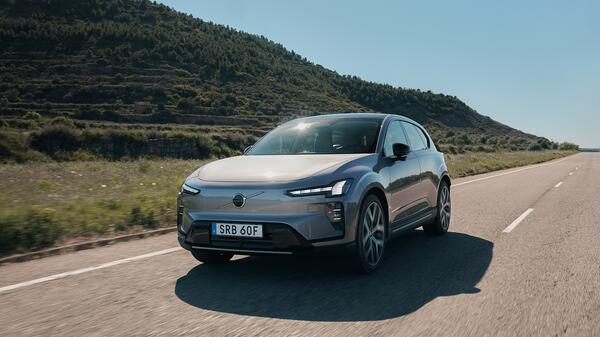
Q3: Will there be more electric cars on the road?
A: It’s likely – but don’t expect thousands of electric cars to appear overnight.
Gordon Brown plans to increase the number of hybrid and electric vehicles in UK cities to develop “green industries” and produce 400,000 jobs in the next five years. No further details were revealed in the 2009 Budget announcement.
Q4: Can I really get £2,000 off a new car?
A: The government has passed a scheme which will allow buyers to scrap their old car in return for a £2,000 discount off any new car.
Only cars over ten years old will be eligible, and the scheme will run from May 2009 to March 2010. For more information read our official story.
Q5: Which motorways are being widened?
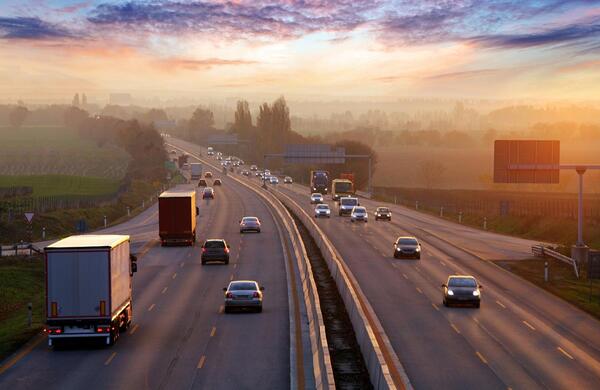
A: The M1, M25, M6, M62, M3 and M4 are currently undergoing hard shoulder widening work.
The Chancellor has announced no new schemes in the 2009 Budget announcement.
Q6: What happened in the 2008 Budget?
A: Key changes made in the 2008 Budget included:
1. An overhaul of the car tax system. 13 new bands were added, with higher rates for the most polluting cars and lower rates for vehicles which emit less CO2
2. A new first-year tax rate for cars bought in 2010 – ranging from £0 for cars which emit less than 140g/km of CO2 to £950 for vehicles emitting more than 255g/km
3. A 2p per litre fuel duty postponement to October 2008
4. Fuel duty to rise by 0.5p per litre in 2010
5. Funding set aside for road-pricing proposals, which were later canned. This would have seen motorists charged for entering cities at peak times.
Q7: What is the pre-Budget report?
A: An annual speech from the Chancellor of the Exchequer which explains the government’s plans for the following Budget.
It’s usually announced in autumn, ready for the actual Budget the following spring. Sometimes new policies are discussed and dismissed in the report.
Q8: What was said in the 2008 pre-Budget report?
A: Four major changes were announced:
1. Car tax to increase by £5 per band, not the maximum £90 as originally planned
2. Tax rates for 2010 to be lowered with a £30 limit – down from £100
3. VAT cut from 17.5 per cent to 15 per cent to help increase car sales. This is due to rise again in December 2009.
4. A 2p per litre rise in fuel duty
5. Around £3 billion worth of spending brought forward, so motorway widening schemes could start earlier
For more information read our full coverage of the 2008 pre-Budget report.
Q9: What does the Budget include?
A: New taxes and funding are set for a range of non-motoring areas, which include:
• Air travel
• Alcohol
• Armed forces
• Benefits – including council tax, incapacity and poverty
• Businesses
• Cigarettes
• Education
• Environment – for example new green schemes
• Housing – including mortgages and stamp duty
• Pensions
• Public services
• Savings accounts – such as the annual cash ISA limit
Q10: What else was announced in the 2009 Budget?
A: Some of the key changes include the following:
• ISA limit to be increased to £10,200 from £7,200 this year for people aged 50 and over, and next year for everyone else
• Tax on alcohol and cigarettes increased by 2 per cent
• Income tax for those who earn over £150,000 a year to rise to 50 per cent from April 2010
• Unemployed people under 25 years old to be offered paid training or a job
• Basic state pension to increase by 2.5 per cent
• Cash for energy efficient schemes – £525m to go to offshore wind projects and £100m for local authorities to build energy efficient homes
What's your reaction to the Budget? Have your say on the Auto Trader Blog


RSS