Look at the Wheels on That: Metro 6R4 - Auto Trader UK – Features - News and Reviews Hub


Look at the Wheels on That: Metro 6R4

Look at the Wheels on That: Metro 6R4 - Feature Image

02 November 2006

Some cars are so woefully dull you could never imagine them turning into thuggish be-winged swans. The MG Metro 6R4 is the perfect example.

In standard dress, you'd rather saw your feet off than drive one, but with a 380bhp cattle prod up its exhaust pipe, it's something pretty special. Stuart Milne reckons it’s one of the true rally car greats.

It might have been stupendously ugly, but the Metro 6R4 goes to prove beauty is far more than skin deep.

This may have something to do with a 3-litre, 380bhp V6 engine breathed on by the Williams Formula 1 team.

And it wasn't just anyone at Williams; it was none other than Patrick Head, who eventually became number two at the Didcot-based outfit.

With this kind of heritage, it was no surprise the 6R4 was stormingly quick in the fabled Group B rally series.

Sadly the engine had a habit of stopping and refusing to start. After a single third place behind two Lancias in the 1985 British Lombard Rally, the Metro failed to finish a race.

After a number of fatalities, Group B was pulled in 1986 and the Metros passed into private hands; the engines were sorted and they smashed their way to victories in other rally and rallycross series.

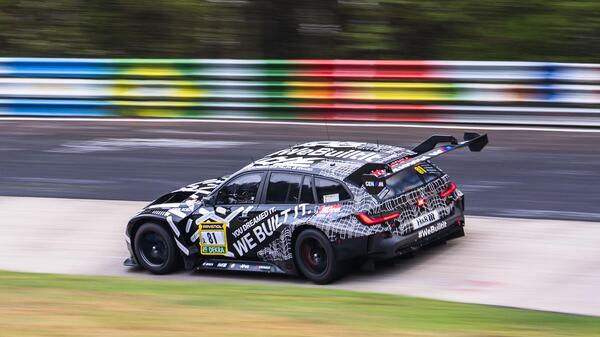
Part of the reason for the Metro's success was the huge no-nonsense, grip enhancing bodykit. Sporting the kind of wings a condor would get the green eye over, it had a snow plough-like front spoiler and the rear spoiler big enough to solve the homeless problem in London.

The huge powerplant - almost two and a half times the size of the next biggest engine - pushed the wheels out of the arches, so enormous boxy flares were strapped on to keep it road legal, and therefore eligible for rallying.

All of the body panels, apart from the steel doors, were fashioned from plastic which meant most surviving 6R4s have stickers explaining where it's safe to push the vehicle.

Unlike virtually every other car in Group B, the 6R4 did without turbocharging; relying on the sheer brute force of the Williams-tweaked V6.

This was even more impressive given the engine was a 3.5-litre Rover V8 with two cylinders lopped off. That motor can trace its roots to a Buick engine built in 1961.

But even after the Metro 6R4 project was abandoned, the engine refused to die, resurfacing in the Jaguar XJ220.

With the aid of two turbochargers, the big cat became the world's fastest car.

If you fancy a bit of fire-spitting hatchback action, you'll have to make your way through a jungle of ex-rally cars which have been thrashed to within an inch of your life. Mint condition ones are rarer than a new MG dealer.

Links:

Previous Look at the Wheels on That articles


Page 1