Auto Trader

      | Homepage

Everything you wanted to know about car tax

Everything you wanted to know about car tax - Everything you need to know about car tax
There are seven lettered tax bands which determine price

Confused over car tax? We tell you all there is to know about taxing your vehicle.

We explain the tax bands, how to apply for tax, what the exemptions are and more, so you can easily understand how road tax works.

What’s legal?

The law states that if you use or keep a vehicle on a public road, you must display a valid tax disc on it. As the registered owner of a car, it’s your responsibility to tax it.

It’s simple enough – if you don’t own an up-to-date visible tax disc, you won’t be able to drive your car.

There are exceptions to this rule, which will be explained later. But for now, how much will it cost to tax your specific motor? It depends on at least one of three factors:

1. How old the vehicle is.
2. How large the engine capacity is.
3. How much CO2 it emits.

Pre-1974 vehicles

If you’re lucky enough to own a vintage vehicle such as a Morris Minor or the classic Cadillac Coupe De Ville, then you’re also lucky enough to avoid having to pay any road tax whatsoever.

Cars manufactured from 1974-2001

For cars registered between 1974 and March 1, 2001, tax is calculated according to engine size:

• Cars under 1549cc cost £115 per year.
• Cars over 1549cc cost £180 per year.

Post-2001 tax bands

For newer vehicles, there are seven lettered tax bands, which determine price.

The bands are measured by the amount of carbon dioxide your vehicle emits – with the lower the emission, the lower the tax cost.

However, band G only applies to cars registered after March 23, 2006.

 Band 

 CO2 emission (g/km)

Cost   

 Example

  A

 Up to 100

 N/A

 Seat Ibiza Ecomotive

  B

 101-120

 £35

 Toyota Prius hybrid

  C

 121-150

 £120

 Citroën C5 1.6-litre diesel

  D

 151-165

 £145

 Peugeot 307 1.4-litre petrol

  E

 166-185

 £170

 Ford Mondeo saloon 1.8i-litre petrol

  F

 Over 186

 £210

 BMW 5 series estate 3.0-litre diesel

  G

 Over 226

 £400

 Jaguar X type saloon 2.0-litre petrol

You can view the tax bands for all other vehicles on the Government’s motoring page.

What’s more, the Vehicle Certification Agency has this handy page which will enable you to calculate your vehicle’s tax liability by make and model.

It’s a common misconception that band G vehicles are only super cars or larger motors such as MPVs and off-roaders – not true. Your three litre Mondeo or typical Impreza WRX saloon will also fall into this category, so bear this in mind.

Exemptions

There are legal ways of avoiding having to pay road tax, but be very sure you meet one of these requirements first:

• You own a band A vehicle, which emits less than 100 grams of CO2 per kilometre travelled.
• You can declare Statutory Off Road Notification, or SORN, at the DVLA’s vehicle licensing page, only if your car will not be used or kept on a public road for 12 months.
• You’re a disabled driver with exemption certificate DLA404.
• You have a WPA442 form and receive the War Pensioner's Mobility Supplement.
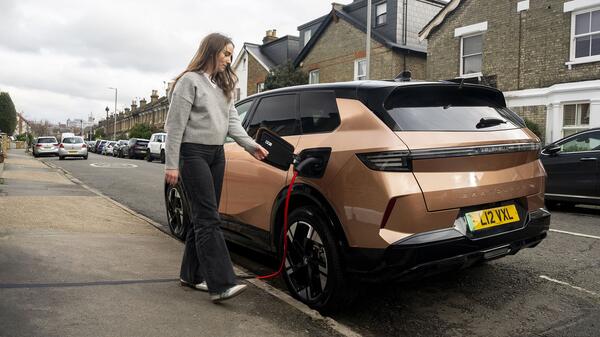
• You drive an electric-powered car.
• You own a bio-fuel or hybrid car which emits less than 100 Co2 per k/m.

How to apply

Before applying for a new tax disc, make sure you have all these essential items:

1. The reference number on your V11 reminder form or the code from your V5 Registration certificate.
2. A valid MOT test.
3. Payment.
4. Vehicle registration number.
5. Valid insurance.

You can apply directly by phoning the DVLA on 0870 850 4444 or by visiting their website and following the instructions.

Alternatively, you can pop into your local Post Office branch and ask to apply by post.

FAQs

Q: What if I forget when my car tax runs out?
A: A V11 reminder form will be sent out to you three weeks before your current tax disc expires.

Q: Are there any changes being made to the tax bands?
A: The maximum price of band G vehicle tax will rise from £300 to £400 on April 1, 2008.

Q: Can my tax band change?
A: Yes. Your car’s tax band may change if any modification or fuel type alterations are made. This will require a tax disc exchange, so fill in a V70 form.

Q: How long do tax discs last for?
A: Tax discs can be purchased for either a six month or one year period.

Q: I’m going on holiday. Do I still have to pay tax?
A: Yes. Don’t forget that car tax still expires when you’re abroad. It’s a good idea to renew your tax early if this is the case, which is possible up to two months before the expiry date. You can always ask someone else to renew it for you.

Q: What happens if I move house or change my home number?
A: Always let the DVLA know if your personal details change.

Q: I’ve lost my tax disc! What should I do?
A: If your disc is misplaced, badly damaged or faded, fill in a V20 form for a replacement.

Auto Trader links

Car loan A-Z finance guide
Choosing the right car insurance policy
Car buyer’s legal rights
How to buy a used car
Buying a car – useful numbers
Auto Trader vehicle check


Page 1