Car news and reviews
Latest car news from our experts
Explore topics
Car reviews
Carousel slide 1
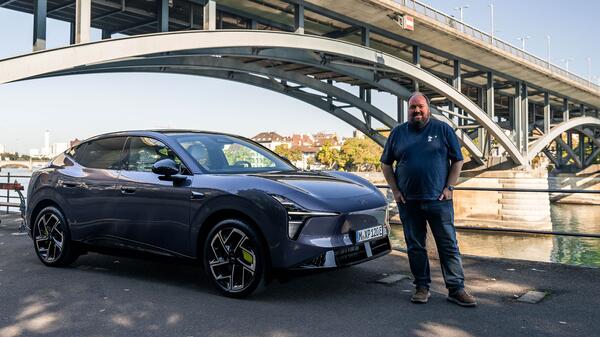
XPENG L03 (2026 - ) review
Xpeng’s second electric SUV is the compact, swoopy L03 – but is it any good?
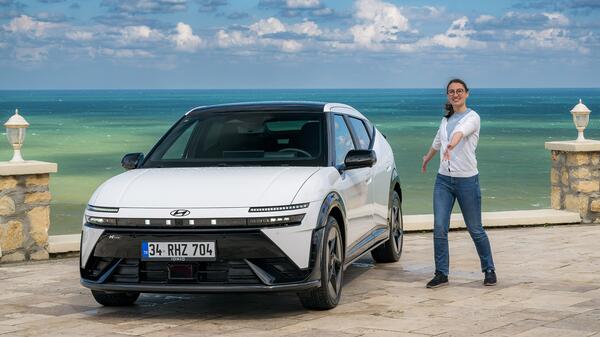
Hyundai IONIQ 3 (2026 - ) review
Hyundai’s all-electric hatchback is the new affordable electric car to beat!
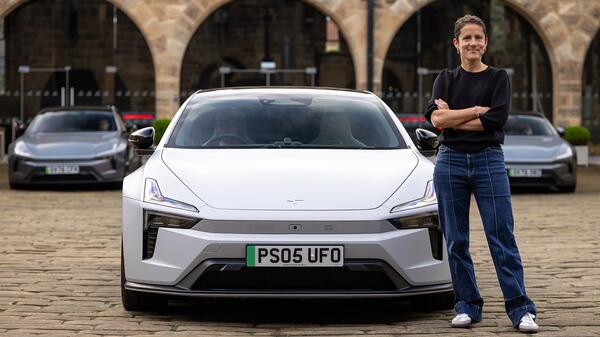
Polestar 5 (2025 - ) review
Fast, futuristic and eco-conscious, how does Polestar's new flagship shape up against the competition?
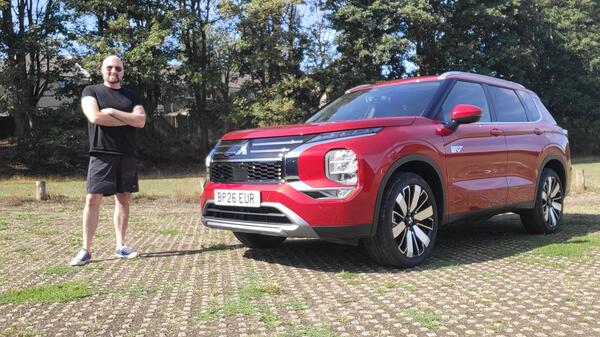
Mitsubishi Outlander PHEV (2026 - ) review
Mitsubishi’s return to the UK sees the latest Outlander PHEV rejoin the ranks of seven-seater crossovers vying for your attention
Carousel slide 2
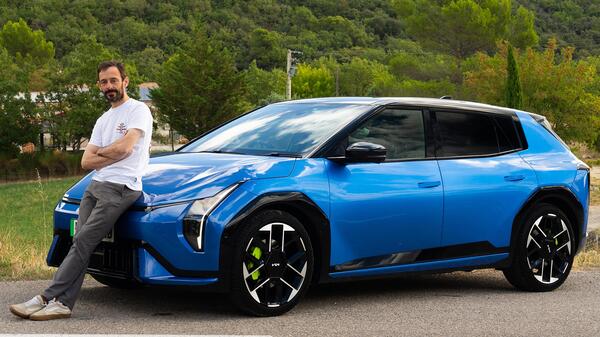
Kia EV4 GT (2026 – ) review
Hot hatch twist on the regular Kia EV4 is equally as useful, comfortable and refined … just faster and more fun
Long-term car reviews
Carousel slide 1
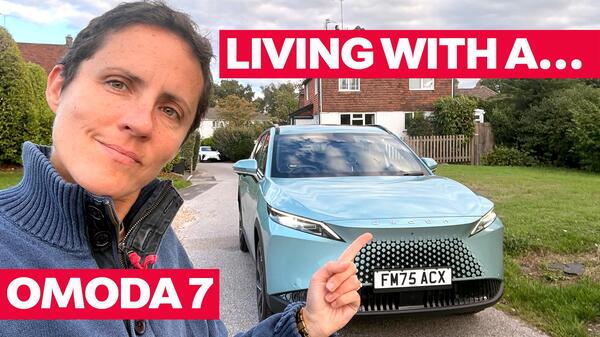
Living with an... Omoda 7
The Omoda 7 is sleek, efficient and good value, but what's it like to live with? We find out!
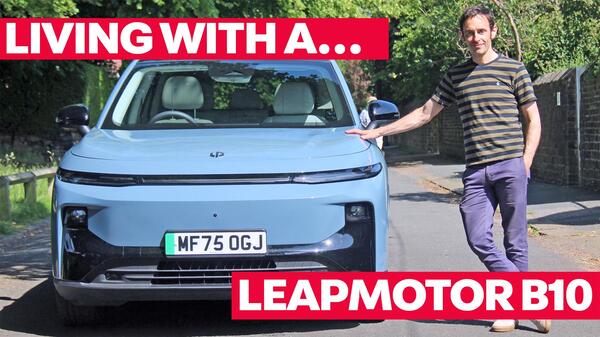
Living with a… Leapmotor B10 (Month 4)
Chinese cars are taking the UK market by storm so we thought we’d better try living with one – say hello to our Leapmotor B10!
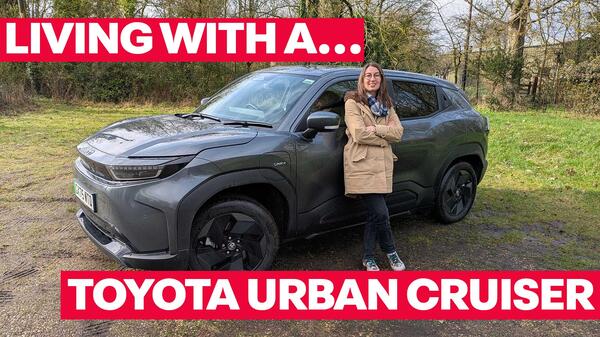
Living with a… Toyota Urban Cruiser (Final Report)
Compact electric crossovers are all the rage, so we’re living with an Urban Cruiser to find out if it can hold its own
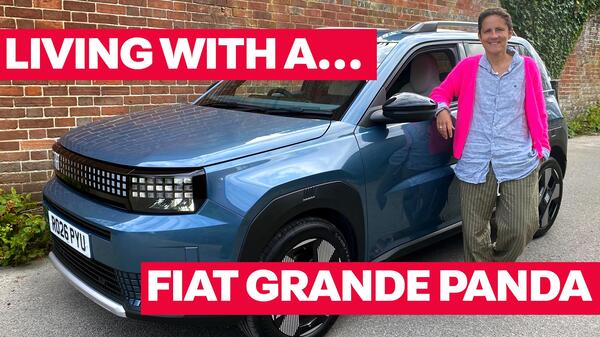
Living with a… Fiat Grande Panda (Month 1)
The Grande Panda looks fantastic, but what's it really like to live with? – We find out
Carousel slide 2
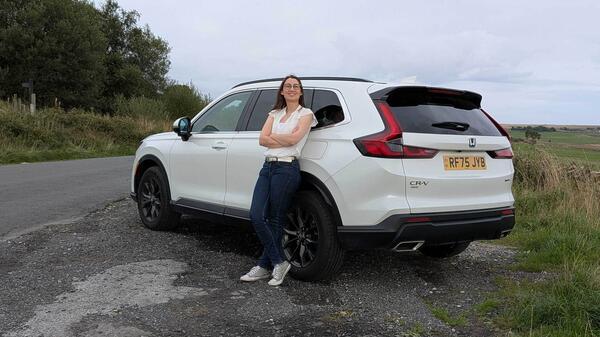
Living with a… Honda CR-V (Month 2)
Just how spacious and economical is this hybrid SUV? – We've got three months to find out

Long-term car reviews
Read moreAdvice
Carousel slide 1

Electric car servicing and maintenance | 2026
Everything you need to know about looking after your electric car: from the cost of servicing to the maintenance work needed.

How to pay the Dart Charge at Dartford Crossing?
Planning a trip down the Dartford Crossing? Find out how to make an account to pay the Dart Charge and avoid a £70 fine.
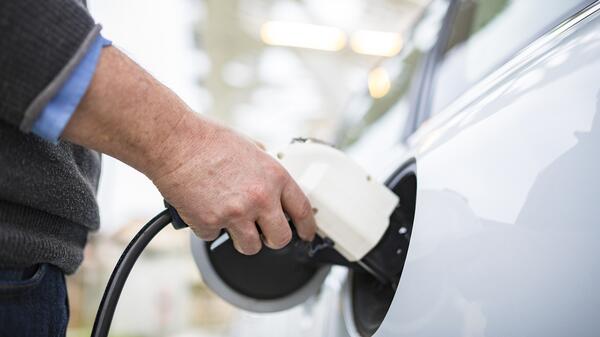
Charging an electric car at home (2026 update)
From installing a home charge point to keeping your electric bill under control, here's our guide to charging your electric car at home.

Finding the right car: Autotrader's advert features explained
Choosing your car can be overwhelming, so we’ve introduced a host of great ad features to help browsing and buying easy – including our new Vehicle Highlights feature!
Carousel slide 2
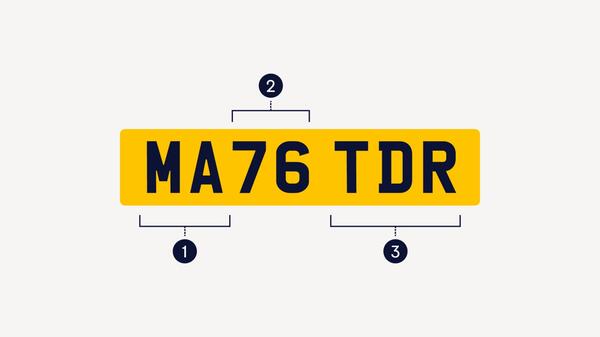
New 76 plates: what do UK number plates mean?
26 and 76 plates will be in market in 2026 - here's everything you need to know before you get one.

Top tips and advice
Read more advice articlesNews
Carousel slide 1
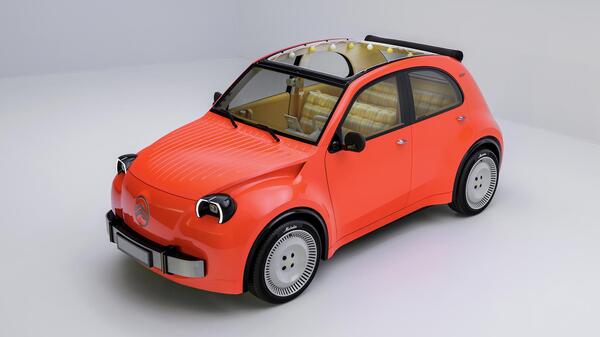
Citroën | Paris Motor Show 2026
Citroën unveils its new 2 CV Concept at the Paris Motor Show – a modern-day electric revival of an iconic motoring name
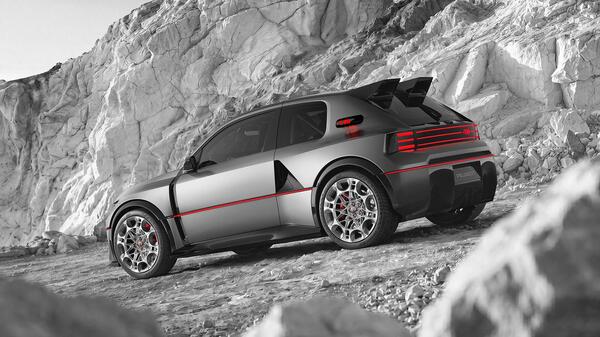
Peugeot | Paris Motor Show 2026
Peugeot reimagines the RCZ and the T16 rally car for the all-electric age
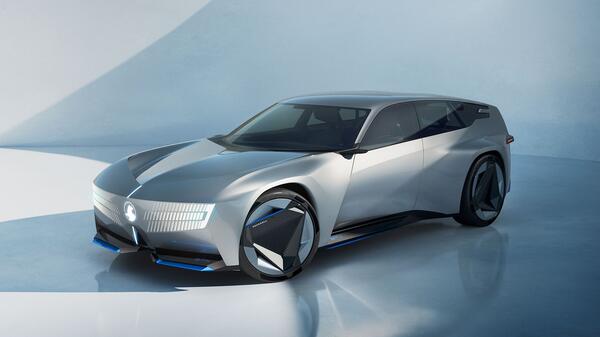
Vauxhall | Paris Motor Show 2026
A modern electric estate car – but not as we know it – here’s everything we know about the Vauxhall STX Concept

Green Machines | Behind the scenes with BMW’s sustainability drive
Can making cars ever REALLY be sustainable? We take a tour round BMW’s factory to try and find out
Carousel slide 2

New Freelander brand confirmed for the UK
JLR and Chery join forces to launch a standalone Freelander brand

The latest news
Read more news articlesBest ofs
Carousel slide 1
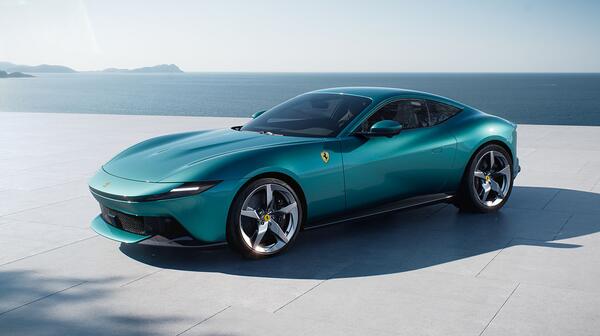
Best luxury cars 2026
Fancy a taste of indulgence? Here's our pick of the luxury car field, taking in the very finest limos, sports cars SUVs and more

Here are the best coupes in 2026
If practicality matters less to you than style, these are the best coupes to consider in 2026

Best used cars for less than £5,000
You can get a proper good used car for less than £5k. Here are our recommendations. There’s something for everyone.
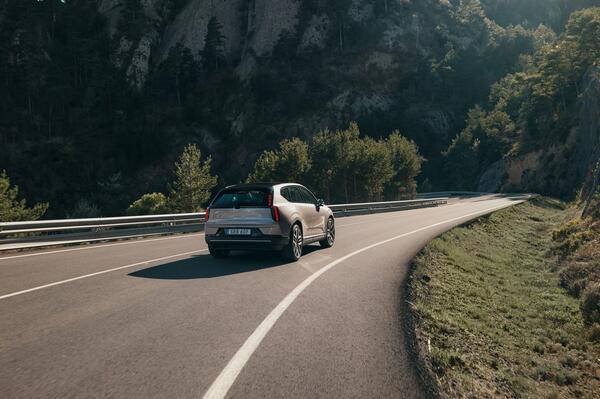
Best medium SUVs 2026
Practical, fashionable and stylish, SUVs are the modern family car of choice – here are our favourite mid-size models
Carousel slide 2
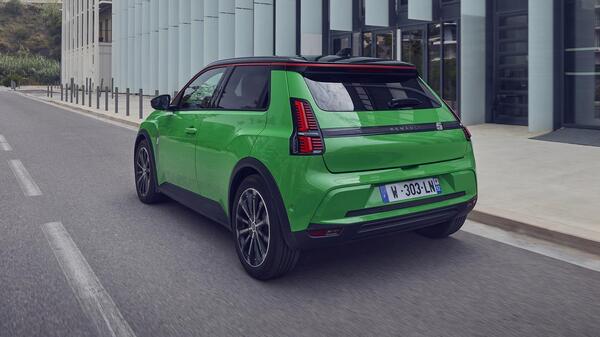
The 10 most popular new electric cars on Autotrader | August 2026
Here are the new electric cars that the UK is most interested in, based on Autotrader data

The Best of the best
Read more 'best of' articlesGuides
Carousel slide 1
Best lease deals
Here are the most popular lease deals on Autotrader Leasing right now.

Find your next vehicle faster with saved searches
Saved search explained: get the most out of saved searches on Autotrader

Can I sell a car on someone else's behalf?
You can only sell a car on someone else’s behalf in specific situations. Read our article to find out exactly when and how you can sell a car on someone else’s behalf.

How to sell a classic car?
Ready to sell your classic car? Value your car for free, then sell privately, though part exchange or directly to a dealer on Autotrader.
Carousel slide 2
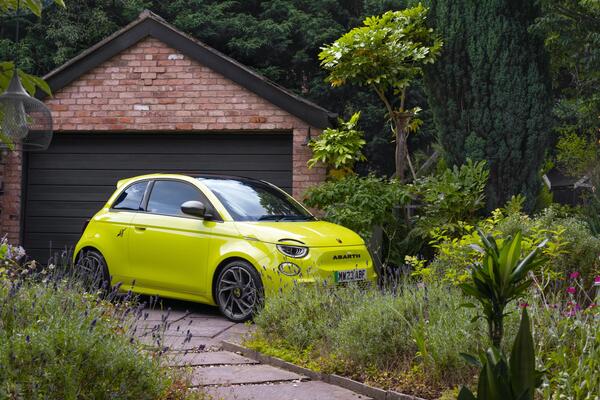
How to cancel car tax
You should contact the DVLA to cancel your car tax - in this guide, we explain how.

Go to guides
Read more guidesFeatures
Carousel slide 1

Famous and fabulous cars on Autotrader
Explore the rarest and most legendary celebrity cars ever listed on Autotrader. Find your ultimate hidden gem today.
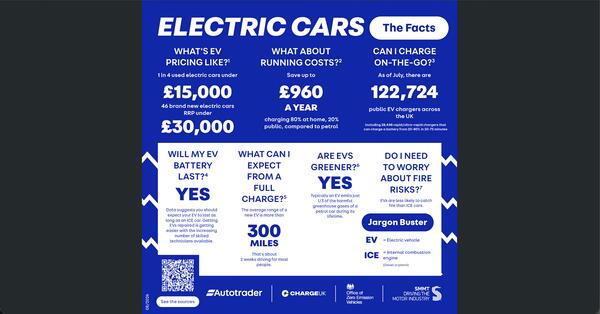
Electric cars: Statistics, facts and figures
Whether you're thinking of buying an electric car, or just doing your research, find all the facts and statistics about EVs here to make an informed decision.

Try, Buy, Dream – September 2026
This month’s selection of cars to try out, buy or simply dream about
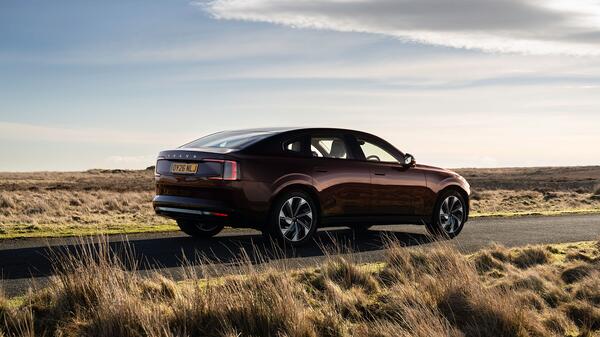
10 cars for 2026 that live in my head rent-free
Erin Baker, Editorial Director of Autotrader, shares the cars that she just can’t get out of her head this year
Carousel slide 2

Is Polestar the greenest car company in the world?
We find out how the sporty Swedish brand is approaching Sustainability