How to beat the fuel price rise
|
With the recent 2p-per-litre rise in fuel prices, the burden of motoring costs is greater than ever.
We bring you the essential guide to making your fuel go further.
Before you drive
Remove unnecessary items Avoid carrying objects in your boot, glove box or elsewhere as these will add extra weight to the car, making your engine work harder to put things in motion. If your roof rack is empty, remove it – it increases drag and consumes more fuel.
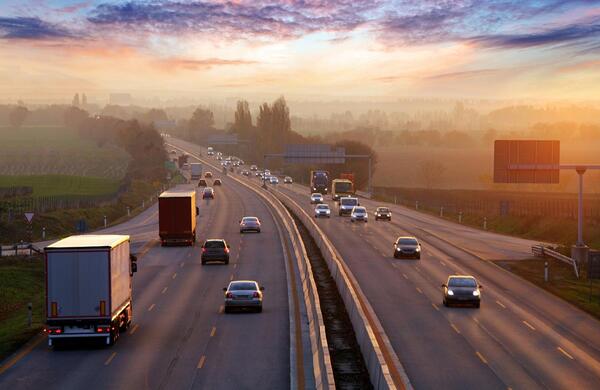
Drive when the road is empty It's easier said than done, but try to avoid congestion. Driving through stop-start traffic is one of the thirstiest times for your car.
Warm the car up on the move Despite engines needing more fuel when they’re cold, this doesn’t mean you should let the engine warm up for five minutes before driving. It’s a big waste of fuel.
Driving actions
Limit heavy braking Take your foot off the accelerator early and slow to a stop or brake early in a smooth, light fashion. Anticipate stops and avoid abrupt braking to decrease fuel consumption and increase the life of your brakes and tyres.
Limit heavy acceleration Don’t accelerate harshly, as this uses a lot of fuel at once. Instead, move off gently and smoothly to your target speed and maintain it for maximum miles per gallon.
Close the windows By driving with the windows or sunroof open, you're ruining the vehicle’s aerodynamics, meaning the engine has to work harder to push the car through the air.
Change gear early Changing gear between 2,000 and 3,000rpm burns less fuel. Keep between these rev levels for best performance – go higher and the engine will work harder – lower and it will struggle. Both use more fuel than necessary.
Avoid built up areas with junctions and speed bumps It takes more power and more fuel to get a car moving than it does to maintain a speed, so regular slowing down and speeding up isn’t an efficient way of driving. Try to avoid busy areas full of junctions, speed bumps and traffic.
Maintenance
Pump your tyres Driving on under-inflated tyres requires more engine power. Keep them pumped up in accordance with the manufacturer's recommendations for the maximum miles per gallon. But don’t over-inflate them, as this reduces road grip.
Keep the car serviced Dirty oil, clogged sparkplugs and faulty thermostats can increase fuel consumption, so ensure your car is serviced regularly.
Fit cruise control Cruise control maintains a constant speed, reducing the gradual speeding up and slowing down effect caused by driving normally. Cruise control is fitted as standard on many cars, although aftermarket systems can also be installed.
Go green If you're serious about cutting costs, why not consider an alternative? Biodiesel and bioethanol are more efficient. You can get your engine converted to run on liquid petroleum gas (LPG), which costs less than unleaded or diesel.
Electric and hybrid vehicles are another eco-friendly way of driving. Most are grouped into the lower tax bands so you’ll save money there as well as on your usual petrol costs.
Fuel facts
• A poorly tuned engine can increase fuel consumption by up to 50 per cent. • Under inflated tyres can increase fuel consumption by five per cent. • A loaded roof rack will decrease your fuel economy by five per cent. • A 100kg load can increase fuel consumption by up to five miles per gallon.
Auto Trader links
Car care Tyre care and how to change a tyre Basic car checks New Highway Code - what you need to know Europe wants health warnings on cars Cars coming soon Guiness Book of World Records 2008
|
Bookmark this page with: