Car news and reviews
Latest car news from our experts
Explore topics
Car reviews
Carousel slide 1
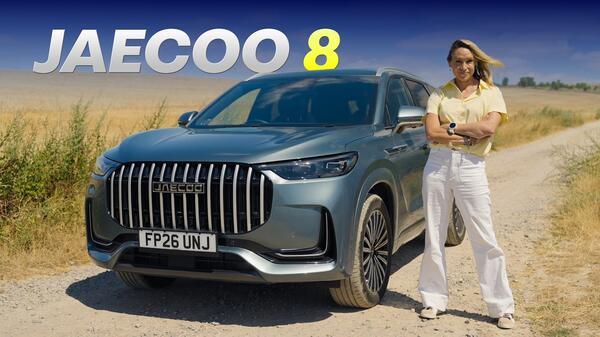
JAECOO 8 SHS-P (2026 - ) review
Jaecoo has won hearts and mind for its combination of value and style – can it pull the same trick at a more premium level?
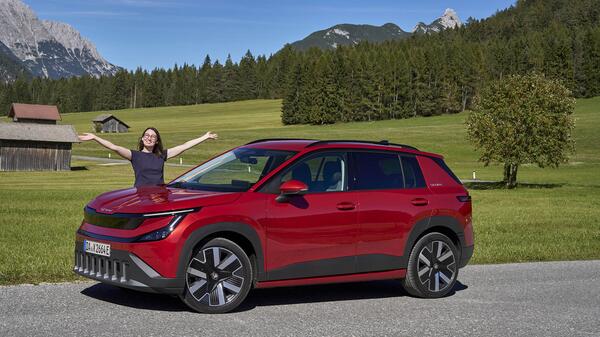
Skoda Epiq SUV (2026 - ) review
Small but mighty? Does Skoda's most compact electric car live up to its name?
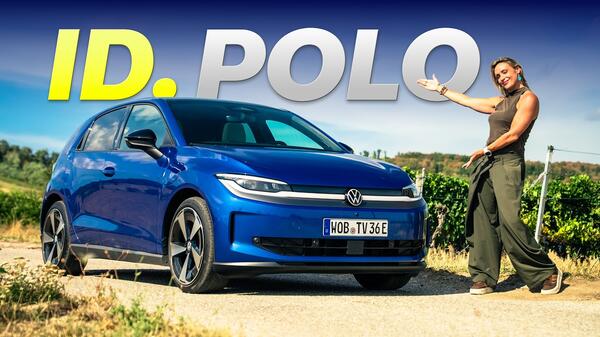
Volkswagen ID. Polo (2026 - ) review
The Volkswagen ID. Polo is the first-ever, all-electric variant of the long-serving Polo supermini
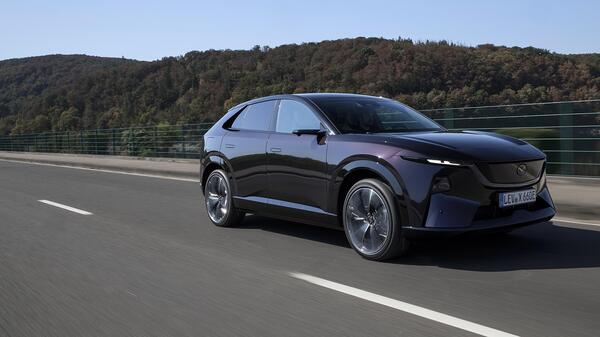
Mazda CX-6e (2026 – ) review
The Mazda CX-6e falls a little short on driving range but makes up for it in other ways
Carousel slide 2
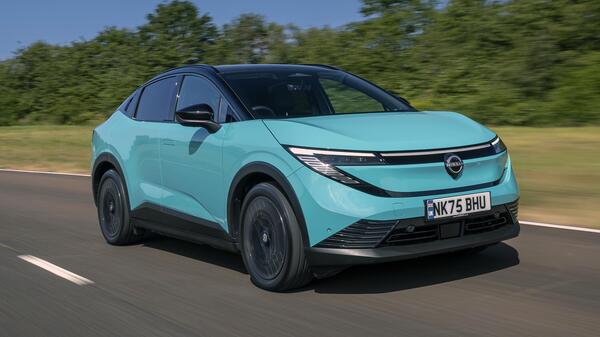
Nissan Leaf (2026 - ) review
The Nissan Leaf as you’ve never seen it before – it’s now a crossover, but can it take on the competition?
Long-term car reviews
Carousel slide 1
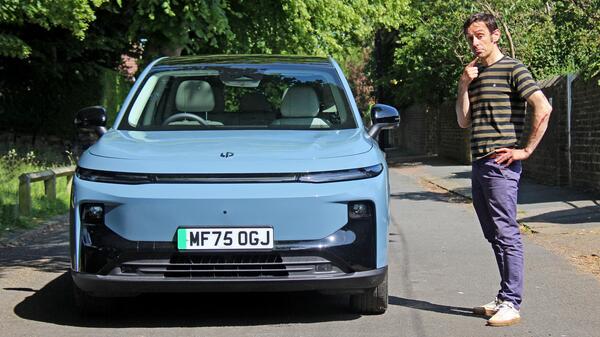
Living with a… Leapmotor B10 (Month 3)
Chinese cars are taking the UK market by storm so we thought we’d better try living with one – say hello to our Leapmotor B10!
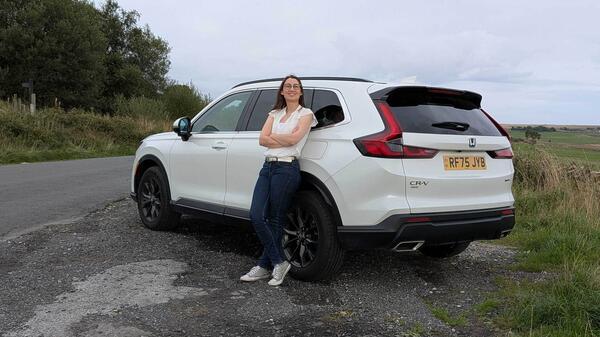
Living with a… Honda CR-V (Month 2)
Just how spacious and economical is this hybrid SUV? – We've got three months to find out
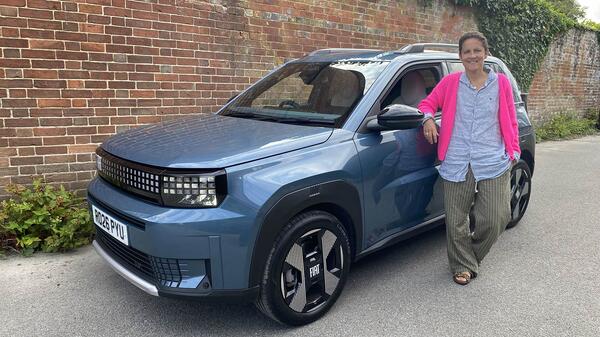
Living with a… Fiat Grande Panda (Month 1)
The Grande Panda looks fantastic, but what's it really like to live with? – We find out
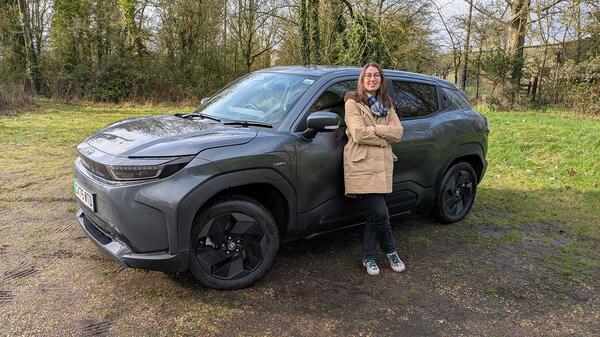
Living with a… Toyota Urban Cruiser (Final Report)
Compact electric crossovers are all the rage, so we’re living with an Urban Cruiser to find out if it can hold its own
Carousel slide 2
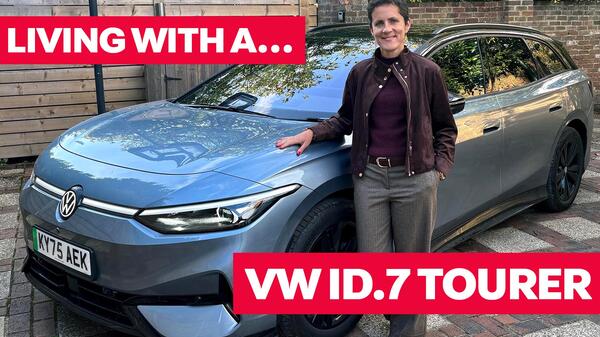
Living with a… Volkswagen ID.7 Tourer (Month 5)
Could living with this spacious electric estate banish range anxiety once and for all?

Long-term car reviews
Read moreAdvice
Carousel slide 1
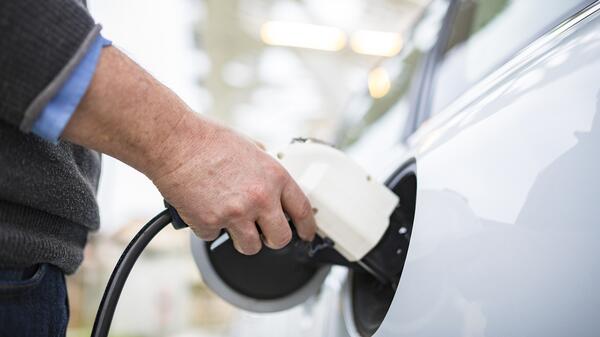
Charging an electric car at home (2026 update)
From installing a home charge point to keeping your electric bill under control, here's our guide to charging your electric car at home.

Finding the right car: Autotrader's advert features explained
Choosing your car can be overwhelming, so we’ve introduced a host of great ad features to help browsing and buying easy – including our new Vehicle Highlights feature!
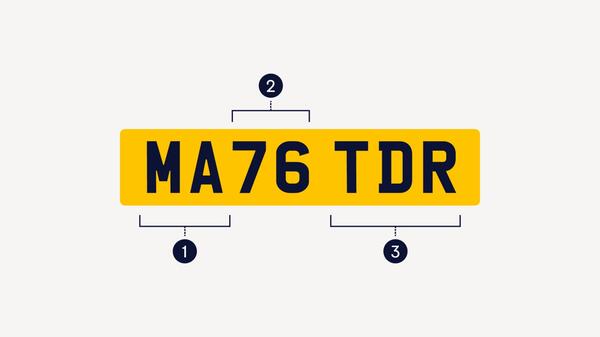
New 76 plates: what do UK number plates mean?
26 and 76 plates will be in market in 2026 - here's everything you need to know before you get one.

Tips for driving abroad in 2026
Here’s everything you need to know about driving in the EU and beyond, including licence and insurance required, laws to keep in mind and more so you can have a...
Carousel slide 2

Complete guide to MOT tests (2026 update)
MOT tests explained. What they are, how much they cost, how to pass an MOT test and what to do if you fail.

Top tips and advice
Read more advice articlesNews
Carousel slide 1
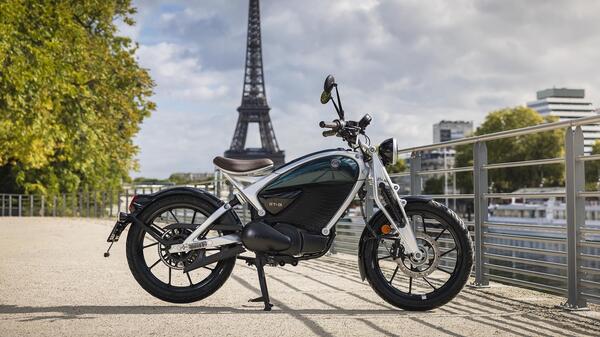
Ditch the car, hop on a Flying Flea!
Has historic motorcycle brand Royal Enfield stumbled on the future of two-wheeled electric mobility?

Video | Ariel Atom 4RR versus BMW S 1000 RR
The age-old ‘which is quicker, bike or car?’ turned up to 11 with a show-down for the ages between Ariel and BMW!
FCA confirms car finance compensation scheme: latest
FCA have delivered their verdict on the car finance compensation case. Find out whether you're eligible for a payout, and when it's due by.
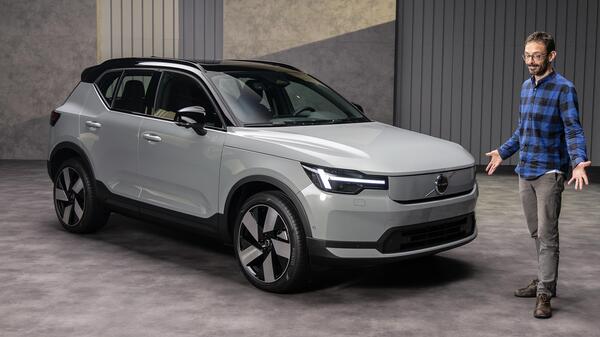
New Volvo XC40, EX40 and EC40 Coming Soon: Specs, price and release info
Visual nip and tuck along with tech upgrades freshen up enduringly popular XC40 and EX40 crossovers
Carousel slide 2
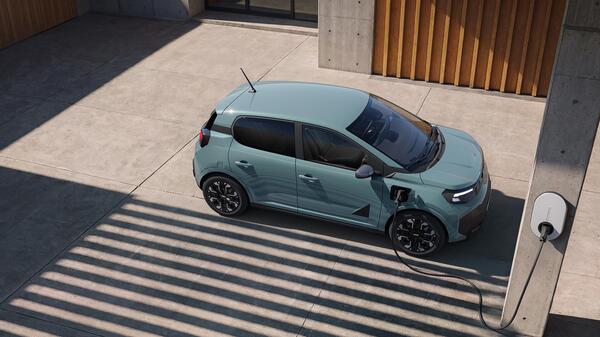
The Spring is dead – long live the Spring!
The Dacia Spring broke new ground for affordability and electric cars – the new one promises the same, just better!
The latest news
Read more news articlesBest ofs
Carousel slide 1

Best used cars for less than £5,000
You can get a proper good used car for less than £5k. Here are our recommendations. There’s something for everyone.
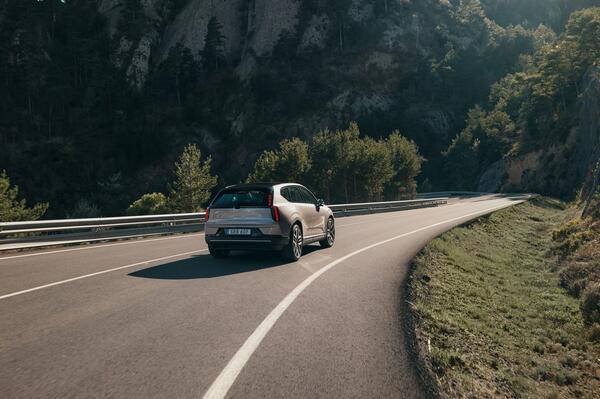
Best medium SUVs 2026
Practical, fashionable and stylish, SUVs are the modern family car of choice – here are our favourite mid-size models
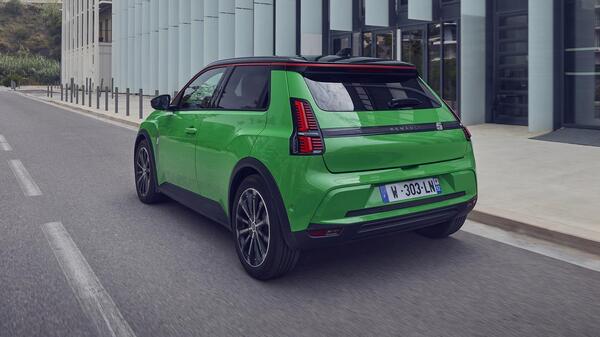
The 10 most popular new electric cars on Autotrader | August 2026
Here are the new electric cars that the UK is most interested in, based on Autotrader data
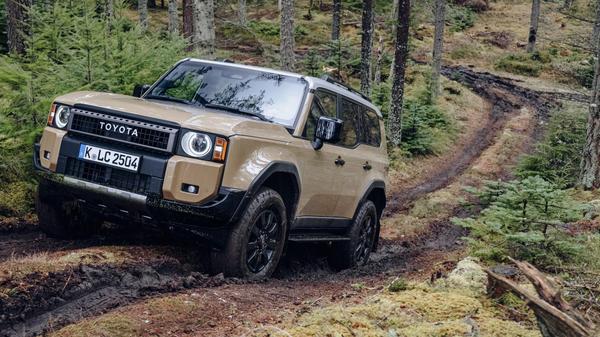
Best 4x4 cars 2026
Many of the SUVs and crossovers we see today are inspired by off-road vehicles, but which ones can actually cut it in the rough?
Carousel slide 2
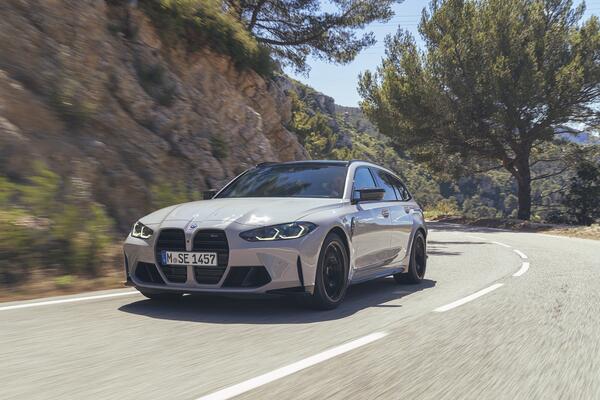
Best estate cars 2026
Estates offer plenty of space and practicality – here are some of the best

The Best of the best
Read more 'best of' articlesGuides
Carousel slide 1

Find your next vehicle faster with saved searches
Saved search explained: get the most out of saved searches on Autotrader

Can I sell a car on someone else's behalf?
You can only sell a car on someone else’s behalf in specific situations. Read our article to find out exactly when and how you can sell a car on someone else’s behalf.

How to sell a classic car?
Ready to sell your classic car? Value your car for free, then sell privately, though part exchange or directly to a dealer on Autotrader.
How to cancel car tax
You should contact the DVLA to cancel your car tax - in this guide, we explain how.
Carousel slide 2

Video | Are cars getting too heavy?
Rory looks at why modern cars are piling on the pounds, and whether there’s any alternative

Go to guides
Read more guidesFeatures
Carousel slide 1

Famous and fabulous cars on Autotrader
Explore the rarest and most legendary celebrity cars ever listed on Autotrader. Find your ultimate hidden gem today.
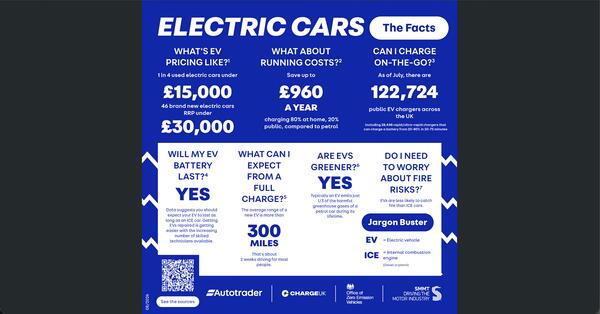
Electric cars: Statistics, facts and figures
Whether you're thinking of buying an electric car, or just doing your research, find all the facts and statistics about EVs here to make an informed decision.

Try, Buy, Dream – September 2026
This month’s selection of cars to try out, buy or simply dream about
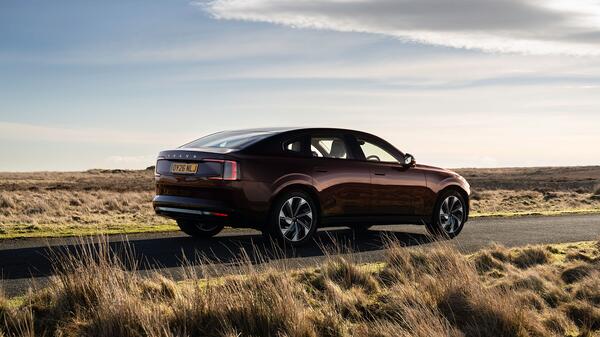
10 cars for 2026 that live in my head rent-free
Erin Baker, Editorial Director of Autotrader, shares the cars that she just can’t get out of her head this year
Carousel slide 2

Is Polestar the greenest car company in the world?
We find out how the sporty Swedish brand is approaching Sustainability