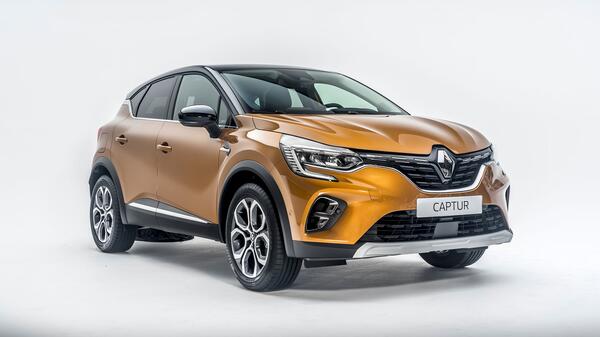
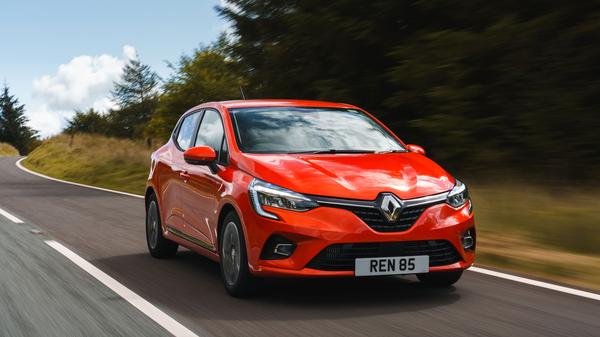
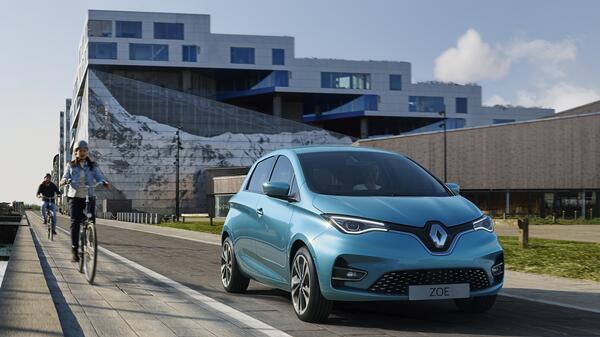
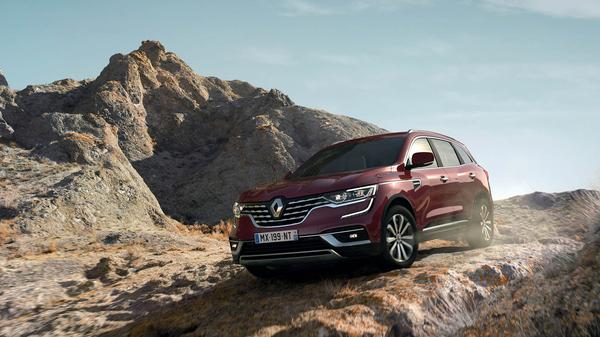
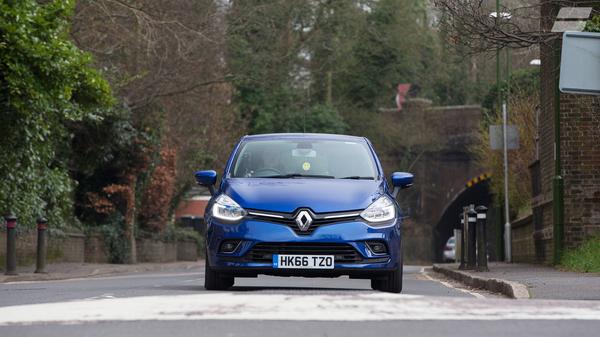
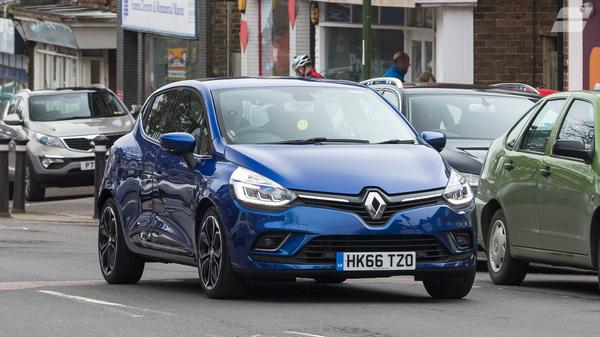
The new Renault Wind rekindles a tradition of building fun, affordable sports cars from the humble bones of their hatchback siblings.

In the same way the Fiat Barchetta borrowed heavily from the Punto supermini and the Honda CRX clothed mundane Civic mechanicals under a mini-exotic skin, the Wind shares 60 per cent of its components with the teeny Renault Twingo.

You’ll be hard-pushed to spot any carry-over Twingo parts from the outside – no external panels are shared between the two. It’s the things you can’t see that define the Wind’s shape.

Expensive parts such as the engine and crash structures dictate that the Wind has the same high bonnet line and windscreen base as the upright city car. To give the impression of sitting in a cocooning sports car, Renault’s designers have raised the side window line as high as possible, creating a very deep body side.

This might sound disastrous in a genre more associated with lithe, ground-skimming two-seaters, but in reality the Wind is a characterful, chunky little thing. Its face strikes the right balance between bug-like cuteness and aggression, while carefully honed surfaces disguise its bulky flanks.

The best view is from the rear though, with its integrated boot spoiler, boomerang light clusters and boot lid humps.

Style and substance
It’s not all about style though – the Wind’s real party piece is its roof which rotates through 180-degrees under a cover on the rear deck in just 12 seconds. This system avoids the problems usually associated with folding hardtops, namely weight, cost and lack of boot space. With the Wind, the large boot remains unaffected by the position of the roof, while the simple system weighs just 21.8kg.

Thankfully very little of the Twingo’s cheap-feeling interior has found its way inside the Wind. Its bespoke dashboard is clean, simple and driver-oriented, while the transparent instrument hood is said to evoke the feeling of riding a motorbike. Of course the four wheels, two seats and windscreen spoil the effect but it’s a nice design touch nonetheless.

With the roof up the high window line feels very cocooning without being claustrophobic. Rear and over-the-shoulder visibility is poor however.

Another gripe is the positioning of some of the switches, which are often out of reach and oddly positioned. The driving position is the lowest of any current Renault model but steel feels more hatchback upright than sportscar bum-skimming.

Renault Wind gallery:

Sophisticated fun
So does the Wind drive like a Twingo? Yes and no. It shares both its 1.2-litre TCe turbocharged engine and the larger, un-turbo’d 1.6-litre from the Twingo RS 133. However the Wind is longer and wider than the Twingo, giving it a much more sophisticated feel on the road.

Renault Sport Technologies is responsible for the Wind project and it’s clear to see this car has been created by the same team who brought us arguably the best hot hatches on the market for the last 10 years or so.

The lack of roof has been countered by extensive body strengthening, meaning that Wind feels impressively stiff even over broken surfaces, while the handling has the same precise, playful and well-resolved quality as cars like the Clio 200 and Twingo 133.

The Wind isn’t badged as a RenaultSport and is aimed at less hardcore driving enthusiasts than the Clio and Twingo so its ride is noticeably more comfortable and its body rolls more too but there’s a real depth of ability that makes this a much more fun than you would expect.

There are a few issues with the driving experience. Its steering lacks any real feel and the engines feel a little overwhelmed. The 1.2 TCe accelerates from 0-62mph in 10.5 seconds and returns an impressive 44.8mpg on the combined cycle. It is better-suited to everyday driving with good pulling power from low revs but it sounds whiney and lifeless at higher revs.

Conversely the 1.6-litre, 131bhp unit is gutless below 4,000rpm and thrives on being revved right up to its red line. It’s great fun on the right road and sounds wonderful in the process but it’s just too much work to keep it in its narrow power band. It’s also only slightly quicker, with 0-62mph taking 9.2 seconds.

More seriously, the Wind’s braking performance is unacceptable. The pedal is soft and unresponsive through the first part of its travel, while the ABS system kicks in way too early. The result is a major lack of confidence even when only driving relatively briskly.

Good value fun
The Wind has no real rivals currently. The Mazda MX-5 and Peugeot 207 CC bookend its ability spectrum but the Renault is more practical than the Mazda and much more fun than the 207. It’s also cheaper than both, with prices starting at £15,500 for the 1.2 TCe Dynamique, rising to £18,200 for the special edition 1.6 Collection.

Overall the Wind is a surprisingly characterful, fun and practical two-seater sports car. It’s good-looking, good value and – brakes aside – far more fun to drive than the sum of its humble parts.

Renault expect most Wind buyers to be urban-dwelling females and the styling, practicality and clever roof are spot-on for the target audience. However, the engaging driving experience and the lure of the RenaultSport association may open the demographic to include more serious driving enthusiasts.

By Owen Ready