Has BMW reached hydrogen heaven?
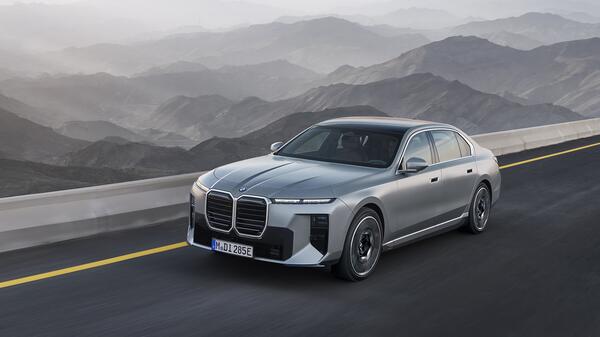
15 November 2006 It might sound like sci-fi, but it’s a very real prospect now BMW has announced it will launch a hydrogen-powered 7-Series next year. Stuart Milne investigates. The trouble with many environmentally-friendly concept cars is they look like cast-offs from 2001: A Space Odyssey. We don’t want curvy spaceships; we want normal looking machines. And that's why the new BMW Hydrogen 7 is so appealing. It looks like a bog-standard 7-Series, so it'll blend in the company car park; and despite tipping the scales at two and a half tons, it'll still crack 143mph. Under the bonnet is a tweaked version of the 6-litre V12 engine from the top-of-the-range 760i which can run on both petrol and hydrogen. The 260bhp motor is fed by two fuel tanks - a 74-litre petrol tank and a hydrogen chamber in the boot which can carry 8kg of hydrogen. That's quite a bit, given hydrogen is far lighter than oxygen. Sounds good so far; but it isn't all in the H7's favour. Fill it up with petrol and you'll get a respectable 300 miles before you need to fill up, but run it solely on gas and you'll be empty after just 125 miles. That means you can forget it if you live 126 miles from Hornchurch, Essex - the site of the UK's only hydrogen filling station. But it takes time to build an infrastructure around a new fuel. Bio-ethanol-powered cars have been on sale for around a year, but there are still only a handful of filling stations.
It's a real chicken and egg situation, so car makers need to create demand for hydrogen before it becomes widely available. BMW will build just 100 Hydrogen 7s, with five to ten coming to the UK in the spring or summer next year. A BMW spokesman confirmed it isn't a semi-official Beemer, as it's gone through the same lengthy sign-off process all BMWs need to before they hit the showrooms. So how does the Hydrogen 7 work? While most car makers are developing fuel cell-powered vehicles - which use hydrogen to create an electricity-creating reaction in the cells - BMW has chosen to burn hydrogen in the engine in a similar way to petrol. This means drivers can choose which fuel they use, which is essential given the short range and limited filling stations at the moment.
Compared to petrol or diesel, hydrogen technology emits very little global warming-causing carbon dioxide. In fact, running on hydrogen, the BMW Hydrogen 7 emits nothing but water vapour. Many critics cite the burning of fossil fuels to create hydrogen as the Achilles heal of this technology; however BMW's CleanEnergy strategy is looking to solar and wind power to create hydrogen. If this can be cracked, hydrogen power - rather than complicated fuel cells - could be the future. Auto Trader Links |
Page 1
RSS FEEDS 
Receive the latest news and features directly to your internet browser or RSS reader.
Find out more and how to subscribe

The Government has set aside £15 million for new alternative fuel filling sites, and a hydrogen point is rumoured to be built near the M4 at Heathrow.
It also means BMW can get a hydrogen car out before anyone else, so they can learn about hydrogen power in the real world, rather than relying on information from test tracks.
Bookmark this page with: